
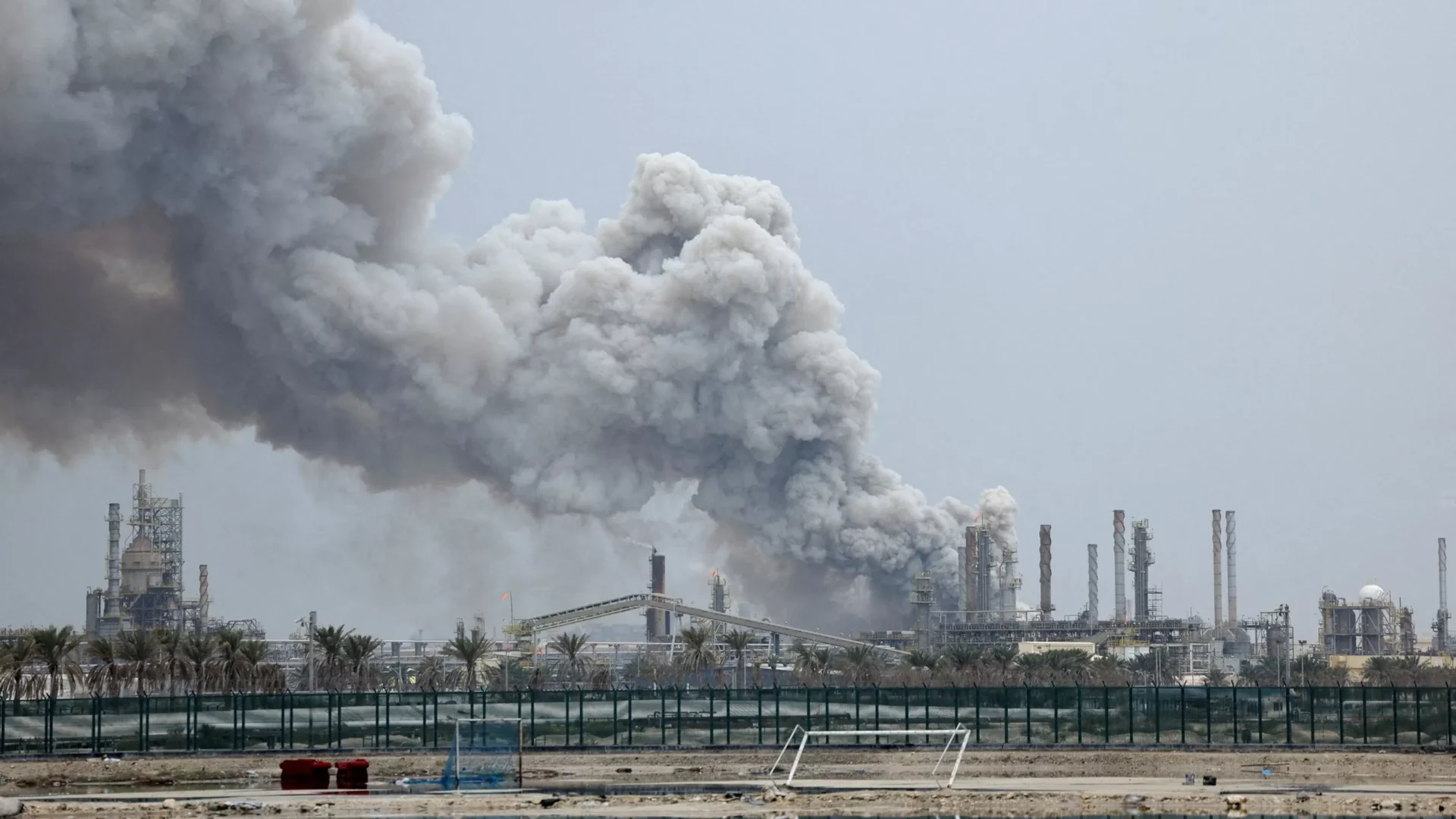
Tit-for-tat attacks on oil and gas sites across the Middle East have once again made headlines, as tensions in the region continue to escalate. These attacks have led to a significant increase in oil prices, causing concern among global markets and raising questions about the future stability of the oil industry.
In recent days, we have witnessed a series of targeted attacks on oil and gas facilities in countries such as Saudi Arabia, Iraq, and Kuwait. These attacks have been carried out by various militant groups, each with their own agenda and grievances. The result has been a significant disruption in oil production and a surge in prices, with experts warning of potential long-term effects on the global economy.
The latest round of tit-for-tat attacks began with a drone strike on a major oil facility in Saudi Arabia, which knocked out half of the kingdom’s oil production. This was followed by a series of smaller attacks on other oil sites in the region, including pipelines and tankers. The attacks were quickly claimed by various militant groups, each vowing to continue their campaign until their demands are met.
The impact of these attacks has been felt not just in the Middle East, but across the world. Oil prices have risen by more than 10%, and the fear of further attacks has caused instability in the global market. As the world’s largest oil exporter, any disruption in Saudi Arabia’s production has a ripple effect on the entire industry. This has led to concerns about the availability and affordability of oil, which is a crucial resource for economies around the world.
The root cause of these attacks can be traced back to the ongoing conflicts in the Middle East. The region has been a hotbed of political and religious tensions for decades, and the recent attacks are just another symptom of the deep-seated issues that continue to plague the region. The militants behind these attacks are using oil as a weapon, targeting the main source of income for many of these countries in an attempt to further their own agendas.
But these attacks have not just been limited to oil facilities. In recent years, we have seen a rise in cyber attacks on oil and gas companies, further highlighting the vulnerability of this industry. These attacks not only disrupt production and cause financial losses, but they also put the safety and security of workers at risk.
As the situation in the Middle East remains volatile, it is important to consider the long-term effects of these tit-for-tat attacks. The instability in the region has the potential to disrupt the global oil supply chain, leading to further price hikes and economic consequences. It is crucial for all parties involved to find a peaceful resolution to the conflicts and work towards a more stable and secure future.
In the midst of these troubling developments, it is important to remember that the oil and gas industry plays a crucial role in our daily lives. From powering our homes and transportation to producing essential goods, oil is an integral part of our modern world. The recent attacks have highlighted the need for greater security measures and cooperation in the industry to prevent future disruptions.
Moreover, these attacks have also shed light on the importance of finding alternative and sustainable sources of energy. The reliance on oil has made us vulnerable to these types of attacks, and it is essential to invest in renewable energy sources to reduce our dependence on fossil fuels.
In conclusion, the recent tit-for-tat attacks on oil and gas sites in the Middle East have caused a surge in oil prices and raised concerns about the stability of the industry. As tensions continue to rise in the region, it is crucial for all parties to work towards a peaceful resolution and ensure the security of oil facilities. It is also important for us, as a global community, to invest in sustainable energy sources to reduce our dependence on oil and mitigate the impact of future attacks. The oil and gas industry may be facing challenges, but it has proven to be resilient in the face of adversity and will continue to play a vital role in our daily lives.
