
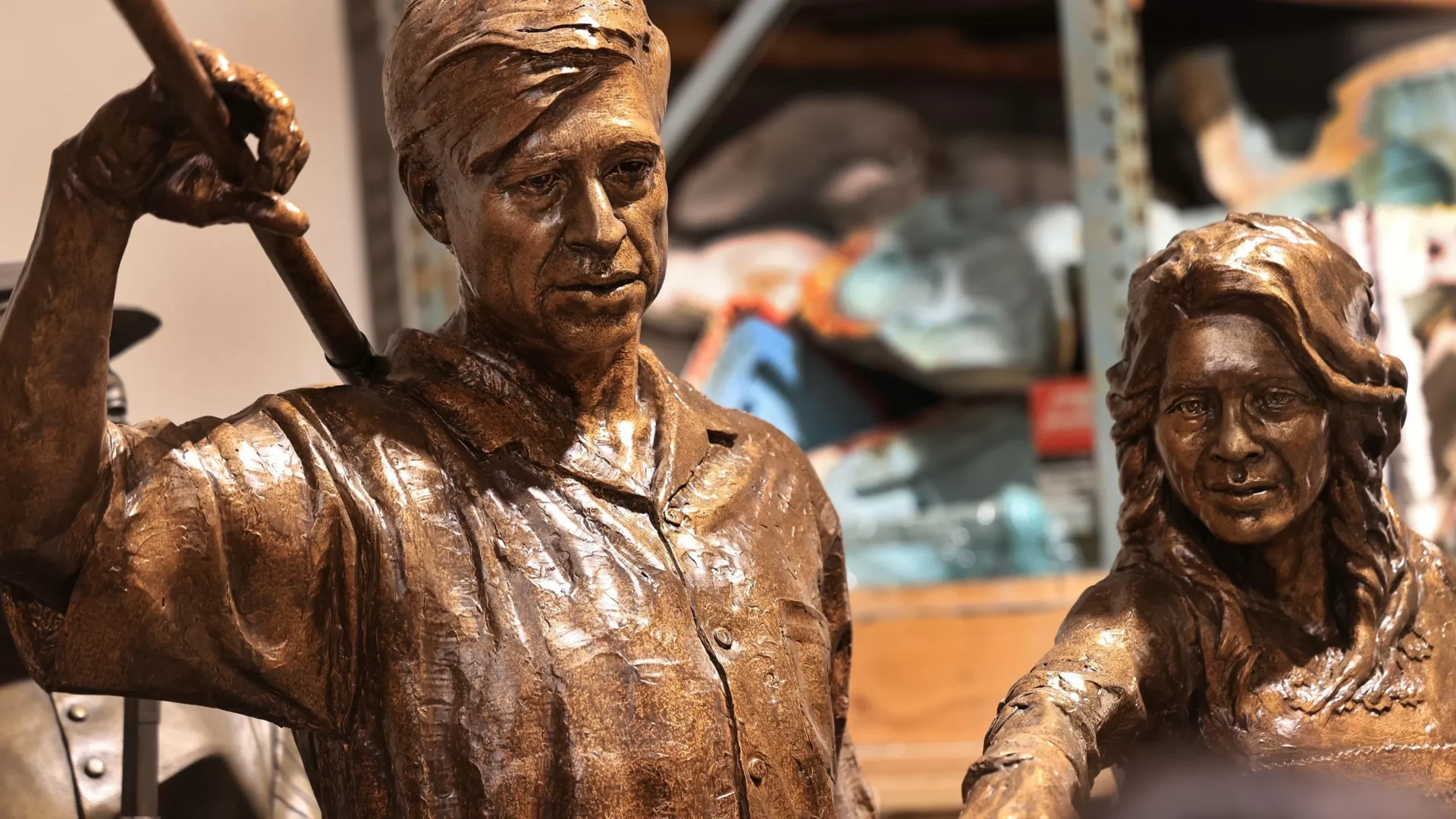
Dolores Huerta and the late César Chavez are two names that are synonymous with the fight for better wages and working conditions for farm workers in the United States. These two individuals were at the forefront of a movement that brought about significant changes in the agricultural industry and improved the lives of countless workers. Their tireless efforts and unwavering determination have left a lasting impact on the labor rights movement and continue to inspire generations to fight for social justice.
Dolores Huerta and César Chavez were both born into families of farm workers and experienced firsthand the harsh realities of working in the fields. They saw the exploitation and mistreatment of workers, who were often paid meager wages and forced to work in unsafe and unsanitary conditions. This fueled their passion for social justice and led them to dedicate their lives to improving the lives of farm workers.
In the 1960s, Huerta and Chavez co-founded the National Farm Workers Association, which later became the United Farm Workers (UFW) union. They organized strikes, boycotts, and marches to demand better wages and working conditions for farm workers. Their nonviolent tactics and powerful message of unity and solidarity resonated with workers and gained widespread support from the public.
One of the most significant achievements of the UFW was the successful negotiation of the first collective bargaining agreement between farm workers and growers in 1966. This agreement, known as the Delano Grape Strike, marked a turning point in the labor rights movement and set a precedent for future negotiations. It also brought national attention to the struggles of farm workers and put pressure on growers to improve working conditions.
Huerta and Chavez continued to lead the UFW in its fight for justice and equality for farm workers. They organized numerous strikes and boycotts, including the historic Salad Bowl Strike in 1970, which united workers from different ethnic backgrounds and demanded fair wages for all. They also advocated for legislation to protect the rights of farm workers, such as the California Agricultural Labor Relations Act, which was signed into law in 1975.
Their efforts were not without challenges and sacrifices. Both Huerta and Chavez faced opposition and even violence from growers and their supporters. They were arrested, beaten, and received death threats, but they remained steadfast in their commitment to the cause. Their resilience and courage inspired others to join the fight and brought about real change in the agricultural industry.
Today, the legacy of Dolores Huerta and César Chavez lives on through the continued work of the UFW and other organizations fighting for the rights of farm workers. Their impact can also be seen in the improved working conditions and wages for farm workers, as well as the increased awareness and support for their cause.
In recognition of their contributions, Huerta and Chavez have received numerous awards and honors, including the Presidential Medal of Freedom, the highest civilian award in the United States. Their names are also immortalized in schools, parks, and streets across the country, serving as a reminder of their enduring legacy.
In conclusion, Dolores Huerta and César Chavez were visionary leaders who dedicated their lives to fighting for the rights of farm workers. Their determination, courage, and unwavering commitment to social justice have left an indelible mark on the labor rights movement and continue to inspire generations to stand up for what is right. Their legacy serves as a reminder that change is possible when people come together and fight for a common cause.
