
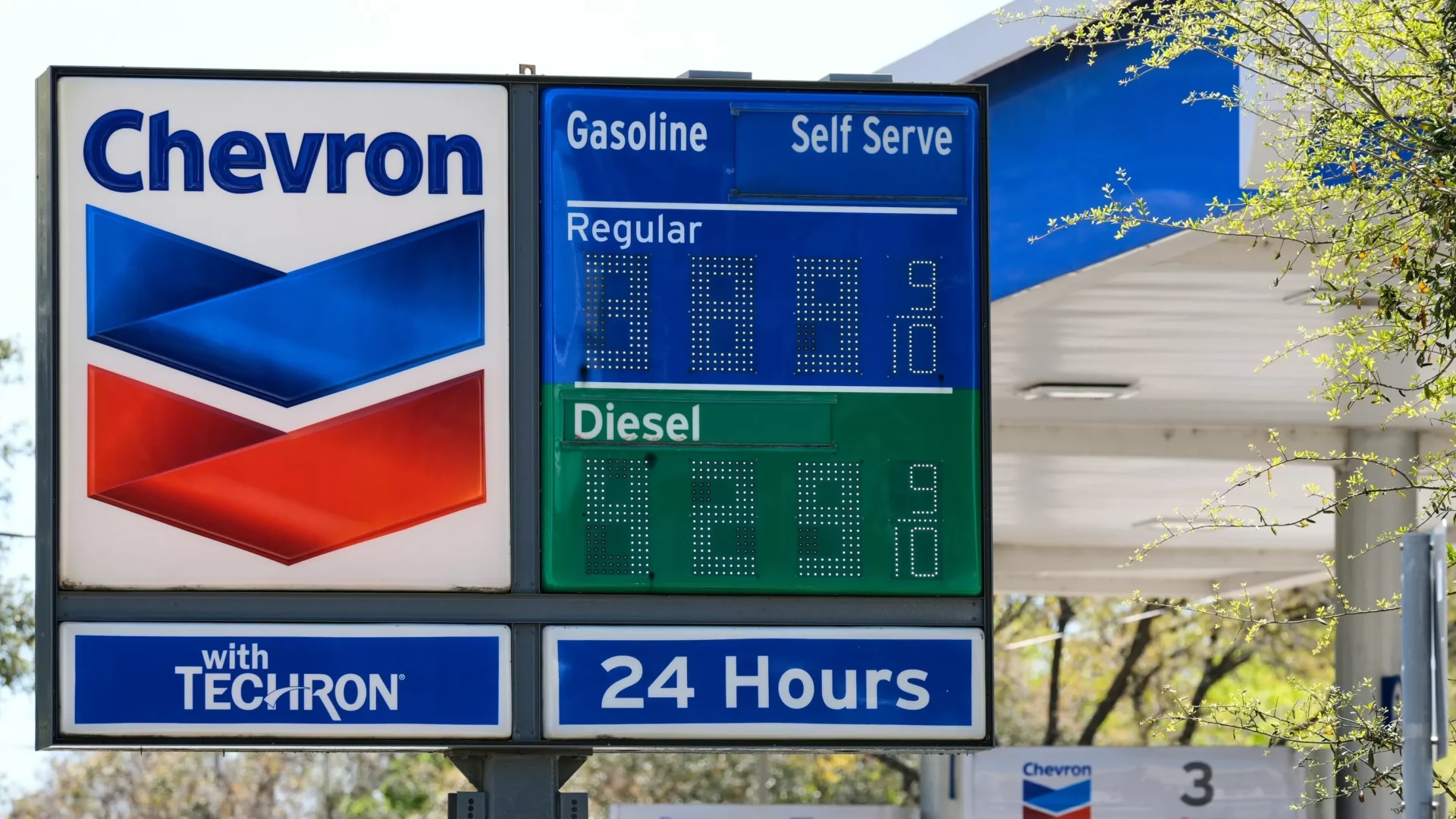
The recent escalation of tensions between the United States and Iran has sent shockwaves through the global economy, particularly in the oil market. With the threat of a full-blown war looming, the price of oil has skyrocketed, causing a ripple effect that is being felt by households worldwide. As fuel costs continue to rise, families are being forced to tighten their budgets and make difficult financial decisions. The Iran war has undoubtedly rattled the global flow of oil, and its impact is being felt by people from all walks of life.
The root of this issue lies in the longstanding conflict between the US and Iran. The two nations have been at odds for decades, with the US imposing economic sanctions on Iran in an attempt to curb its nuclear program. However, tensions reached a boiling point when the US launched a drone strike that killed top Iranian military commander, Qasem Soleimani. In retaliation, Iran launched missile attacks on US military bases in Iraq, further escalating the situation.
One of the immediate consequences of this conflict has been the disruption of oil supply from the Middle East. Iran is one of the world’s largest oil producers, and any disruption in its production has a significant impact on the global oil market. As tensions continue to rise, there are concerns that Iran may block the Strait of Hormuz, a crucial shipping route for oil tankers. This would severely disrupt the flow of oil and cause prices to soar even higher.
The impact of this disruption is being felt by households worldwide, as fuel costs have already started to rise. In the US, the average price of gasoline has increased by 7 cents per gallon since the beginning of the year. This may not seem like a significant increase, but for families living paycheck to paycheck, every penny counts. In countries heavily reliant on oil imports, such as India and China, the rise in fuel costs is even more pronounced. This puts a strain on the budgets of families who are already struggling to make ends meet.
The rise in fuel costs also has a domino effect on other sectors of the economy. Transportation costs increase, leading to higher prices for goods and services. This, in turn, affects the cost of living for families, making it even more challenging to manage their finances. The impact is not limited to households; businesses also feel the pinch as they have to pay more for transportation and raw materials, which ultimately leads to higher prices for consumers.
The situation is particularly dire for developing countries, where a significant portion of the population lives below the poverty line. The rise in fuel costs can have a devastating effect on their livelihoods, as they may not be able to afford basic necessities such as food and medicine. This can lead to a humanitarian crisis, with families struggling to survive in the face of rising fuel costs.
However, amidst all this turmoil, there is a glimmer of hope. The global community has come together to find a solution to this crisis. The Organization of the Petroleum Exporting Countries (OPEC) has assured that they will increase production to meet the demand for oil. The US has also announced that it will release oil from its strategic reserves to stabilize the market. These measures, along with diplomatic efforts to de-escalate tensions, have helped ease some of the pressure on the oil market.
Moreover, this crisis has also highlighted the need for countries to diversify their energy sources. Overreliance on oil from a single region can have severe consequences, as we are witnessing now. Governments around the world are now looking to invest in renewable energy sources to reduce their dependence on oil. This not only helps in mitigating the impact of a potential oil crisis but also has long-term benefits for the environment.
In conclusion, the Iran war has undoubtedly rattled the global flow of oil, causing fuel costs to rise and straining households worldwide. However, it has also brought to light the need for countries to diversify their energy sources and work towards a more sustainable future. As the global community comes together to find a solution to this crisis, we can remain hopeful that the situation will improve, and the impact on households will be minimized. Let us all hope for a peaceful resolution to this conflict and a brighter future for all.
