
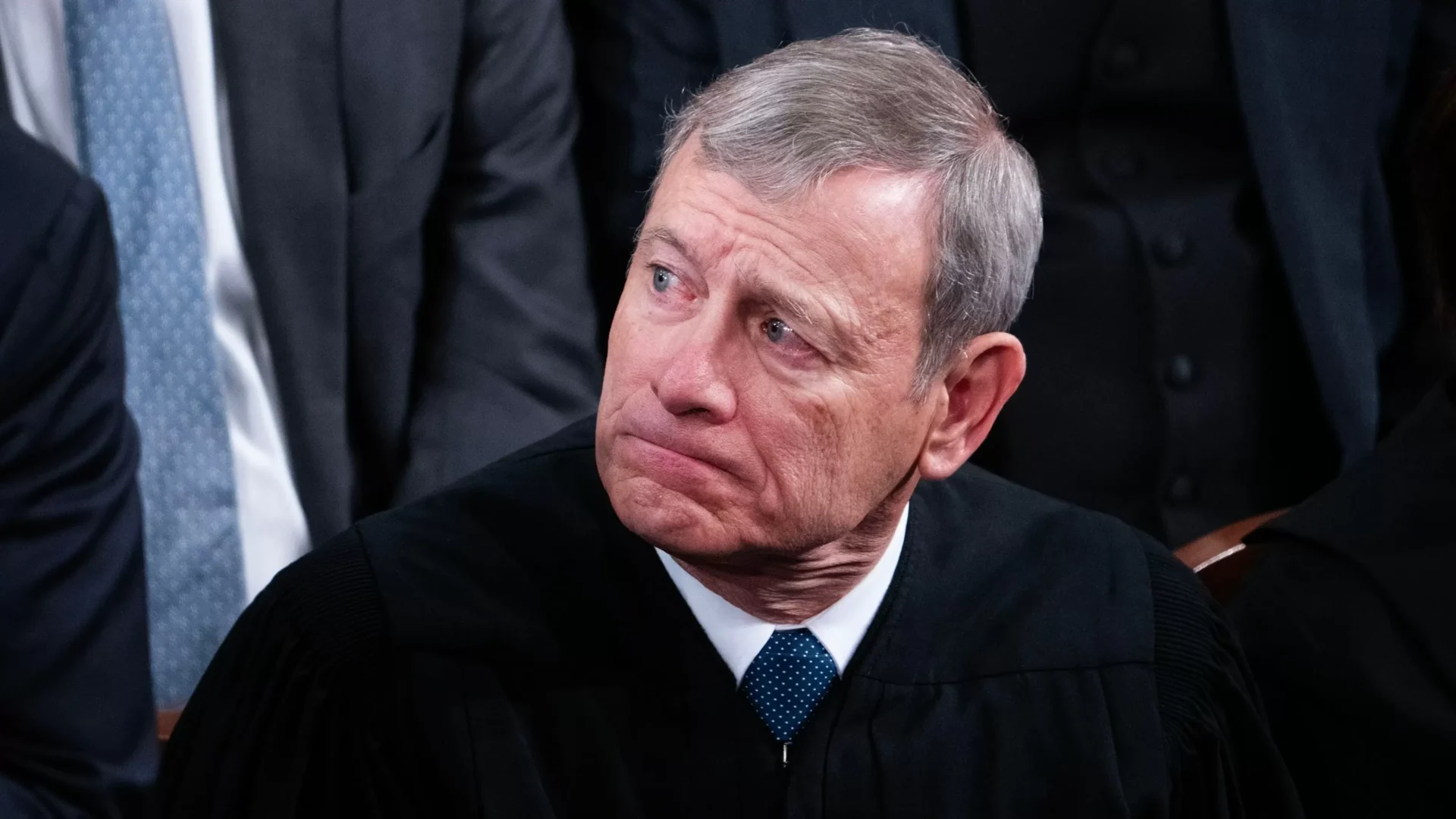
As the leader of the highest court in the United States, Supreme Court Chief Justice John Roberts has a responsibility to uphold not only the law, but also the safety and well-being of those who serve in the judiciary. Recently, he has spoken out against the concerning surge in threats against judges, urging for an end to the personal attacks and hostility that have become all too common in today’s society.
In a rare statement released by the Supreme Court, Chief Justice Roberts addressed the issue head on, stating that “personally directed hostility is dangerous, and it’s got to stop.” This comes after a string of alarming incidents targeting judges, from verbal threats to physical attacks.
The Chief Justice’s words serve as a powerful reminder of the vital role that judges play in upholding justice and protecting the rights of all individuals. They are the guardians of our legal system, tasked with interpreting the laws and ensuring that justice is served. Yet, in recent years, judges have faced increasing scrutiny and criticism, often fueled by political agendas and personal biases.
It is not uncommon for judges to receive criticism for their decisions, as it is a natural part of the judicial process. However, what is alarming is the growing trend of personal attacks and threats directed towards judges and their families. This type of behavior not only undermines the integrity of the judiciary, but also poses a serious threat to the safety of those who serve in it.
Chief Justice Roberts recognized the gravity of this issue, stating that “in our court system, when you lose a case, you appeal it. You don’t bring it out on the courthouse steps and yell at the judge.” Such behavior not only crosses the line of civility, but also erodes the foundation of our democracy – a fair, impartial, and independent judiciary.
The Chief Justice’s statement serves as a call to action for all individuals, whether they are citizens, elected officials, or members of the media, to refrain from engaging in personal attacks against judges. Instead, we must respect the role of judges and the decisions they make, even if we may not agree with them.
The principle of judicial independence is crucial to a functioning democracy. It allows judges to make decisions based on the law, rather than political pressures or personal prejudices. When judges are constantly under attack, it not only jeopardizes their ability to do their job effectively, but also undermines the very cornerstone of our legal system.
Chief Justice Roberts’ statement also serves as a reminder to us all to promote civility and respect in our public discourse. In a time where political divisions and tensions are high, it is more important than ever to engage in constructive and respectful dialogue. Our democracy thrives when we have a healthy exchange of ideas and a willingness to listen to differing perspectives.
The safety and well-being of our judges should not be taken lightly. They are essential to upholding the rule of law and protecting our rights and freedoms. As Chief Justice Roberts aptly stated, “threats against the judiciary are not only wrong, they are dangerous.” It is time for us to come together, put aside our differences, and show our appreciation and support for those who serve on the bench.
In conclusion, Chief Justice John Roberts’ statement serves as a powerful reminder of the importance of protecting the independence and integrity of the judiciary. As threats against judges continue to surge, it is crucial that we all do our part in promoting a civil and respectful society. Let us heed the words of the Chief Justice and put an end to personally directed hostility against judges. Only then can we ensure a fair and just legal system for all.
