
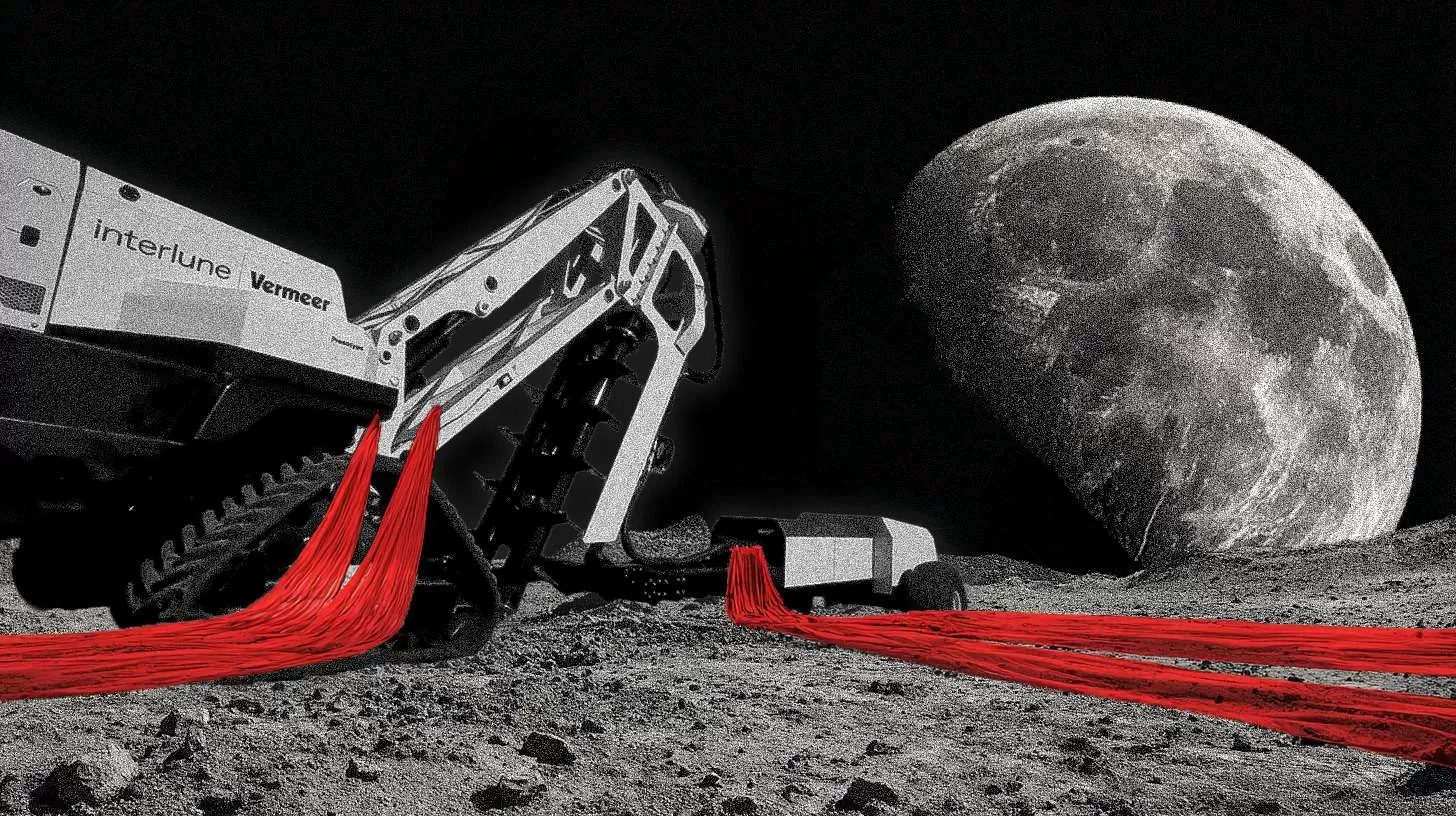
As humanity continues to push the boundaries of exploration, the idea of lunar mining and space exploration has become a hot topic of discussion. With the advancement of technology and the potential for significant resources on the moon and beyond, it is no wonder that governments and organizations are eager to establish laws and regulations to govern these activities. However, I believe that we don’t really need intrusive laws and regulations to govern lunar mining and space exploration. Instead, we should focus on fostering a culture of responsible and ethical practices in these endeavors.
One of the main arguments for the need for laws and regulations is to ensure the protection of the environment and prevent any potential harm to celestial bodies. While this is certainly a valid concern, it is important to remember that the space environment is vastly different from our planet. The moon, for instance, has no atmosphere, no living organisms, and no ecosystems to disrupt. Therefore, the impact of any human activity on the moon would be minimal compared to the damage we have caused on Earth. Additionally, the technology used in lunar mining and space exploration is constantly evolving, making it easier to minimize any potential risks.
Moreover, the idea of imposing laws and regulations on lunar mining and space exploration goes against the very nature of exploration and discovery. Throughout history, humans have always been driven by curiosity and the desire to explore the unknown. The same spirit applies to space exploration. It is a journey of discovery, and imposing strict laws and regulations would hinder our ability to explore and learn from our celestial neighbors. We should not let fear and bureaucracy hold us back from reaching new frontiers.
Furthermore, the implementation and enforcement of laws and regulations in space would be a complicated and costly endeavor. The jurisdictional issues would be extremely complex, as multiple countries and organizations are involved in space activities. This could lead to conflicts and delays in progress, ultimately hindering our exploration efforts. Instead, we should focus on international cooperation and collaboration to establish common guidelines and best practices for lunar mining and space exploration. This would not only save resources but also promote a unified approach towards responsible and ethical practices in space.
It is also worth considering that the private sector is increasingly becoming involved in space exploration and mining. This has opened up new opportunities and has the potential to drive significant advancements in technology. However, imposing intrusive laws and regulations could deter private companies from investing in this field. This would not only limit our progress but also hinder the potential economic benefits of space exploration. Therefore, it is essential to find a balance between regulation and promoting innovation in the private sector.
Moreover, the idea of governing lunar mining and space exploration through laws and regulations assumes that humans are the only ones capable of causing harm in space. However, there is a growing concern about the amount of space debris and the impact it has on space activities. This debris is mainly a result of past human activities, such as launching satellites and conducting space missions. Therefore, instead of focusing on regulating future activities, we should also prioritize cleaning up our mess and promoting responsible behavior in space.
In conclusion, I firmly believe that we don’t need intrusive laws and regulations to govern lunar mining and space exploration. Instead, we should focus on promoting responsible and ethical practices through education, collaboration, and innovation. As we continue to explore and learn more about the universe, it is our responsibility to ensure that we do so in a sustainable and ethical manner. Let us not stifle our curiosity and potential progress with unnecessary regulations, but rather embrace the spirit of exploration and discovery in our journey to the stars.
