
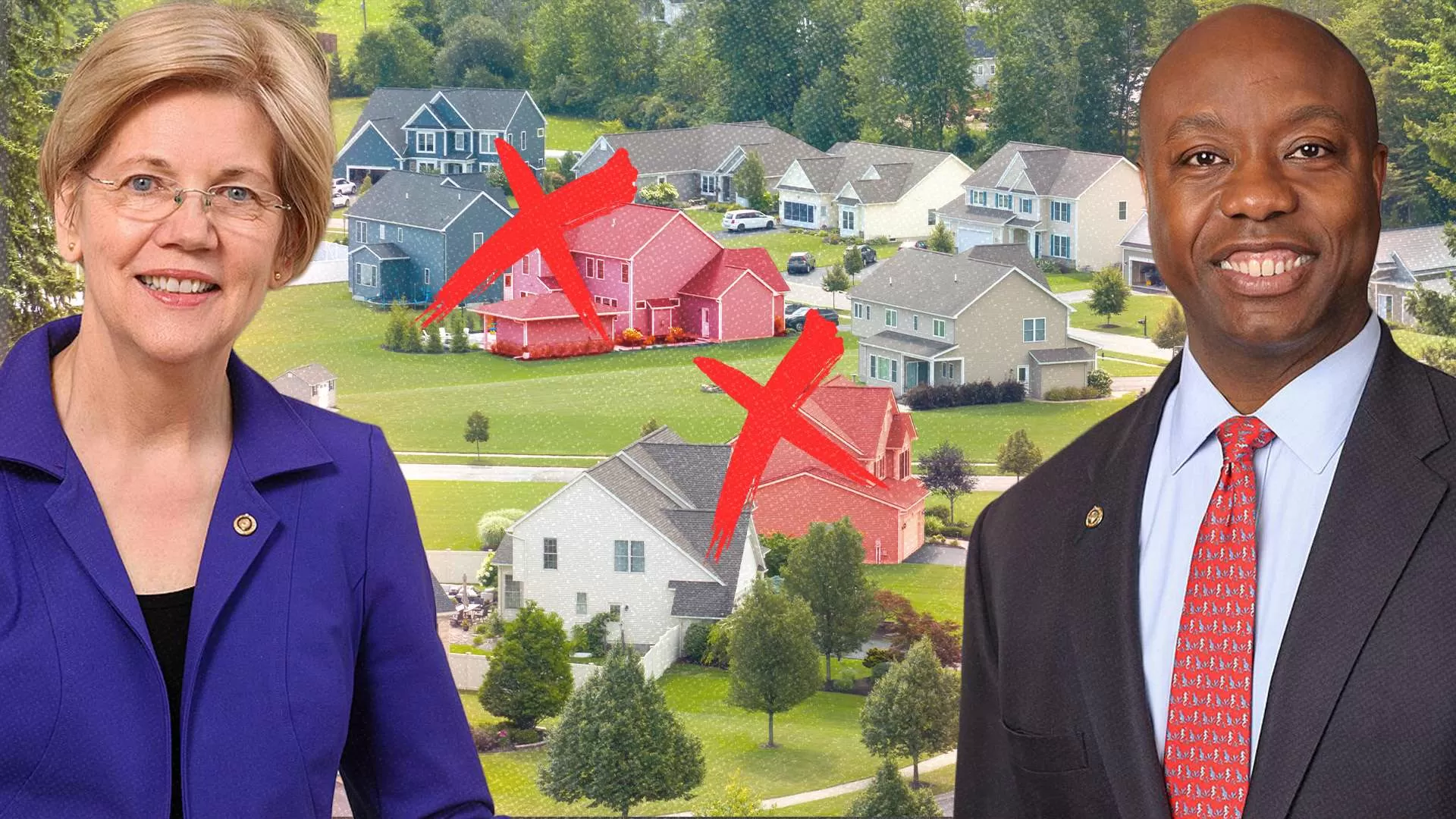
The United States Senate is currently considering a bipartisan housing bill that aims to address the country’s growing housing crisis. However, a proposed amendment in the bill could have a significant impact on the future of new home production. The inclusion of an effective ban on build-to-rent housing has sparked heated debates among lawmakers and experts.
Build-to-rent housing, also known as single-family rental homes, has become increasingly popular in recent years. This model involves the construction of purpose-built rental homes instead of individual homes being converted into rental properties. This concept has gained traction due to the growing demand for affordable housing, especially among millennials and young families.
However, the proposed ban on build-to-rent housing in the Senate’s bipartisan housing bill has raised concerns among housing advocates. The exact language of the amendment is still being negotiated, but it could potentially limit the development of these types of homes on a federal level.
Proponents of the ban argue that build-to-rent housing could harm the traditional housing market, as it could potentially drive up the cost of homes and reduce the number of affordable options. They also express concerns about the long-term impact on homeownership rates and the overall stability of the housing market.
On the other hand, opponents of the ban believe that it could have adverse effects on the rental market, as build-to-rent housing provides a solution for those who cannot afford to purchase a home. They stress the fact that these developments often offer desirable amenities and lower rental costs, making them an attractive option for many.
While the inclusion of this ban in the bipartisan housing bill may have been well-intentioned, it could have unintended consequences. With the current housing crisis, we need a variety of solutions to address the diverse needs of our communities. Build-to-rent housing is just one of the many options that can help alleviate the burden of high housing costs.
Moreover, this type of housing has shown promising results in other countries. In the United Kingdom, for example, build-to-rent developments have increased the supply of affordable housing and provided a stable investment opportunity for developers. It has also helped address the housing crisis in cities like London, where homeownership is becoming increasingly unattainable.
The proposed ban on build-to-rent housing could also have a severe impact on new home production. According to a recent report by the National Association of Home Builders (NAHB), build-to-rent housing accounted for 6.9% of all new single-family home starts in 2020. This percentage has been steadily increasing over the years, and limiting this market could lead to a significant decrease in new home production.
In addition, the NAHB estimates that build-to-rent housing creates around 109,000 jobs annually and contributes $3.5 billion in wages and $9.8 billion in economic activity. These numbers highlight the potential economic impact of limiting this type of housing.
Furthermore, the ban on build-to-rent housing could have a disproportionate impact on certain regions and demographics. In areas with high housing costs, build-to-rent developments offer working-class families and young adults an affordable alternative to homeownership. By limiting this option, we are essentially making it harder for these individuals to find decent and affordable housing, exacerbating the housing crisis in these communities.
It is also worth noting that build-to-rent housing can be a valuable tool in promoting economic diversity and addressing segregation in housing. By providing affordable options in more affluent neighborhoods, it can help bridge the gap between different income groups and promote inclusivity.
In conclusion, the proposed ban on build-to-rent housing in the Senate’s bipartisan housing bill is a cause for concern. While the intention to protect the traditional housing market is understandable, this ban could have severe consequences on new home production, job creation, and economic activity. Additionally, it could limit access to affordable housing for working-class families and young adults in high-cost areas. Instead of restricting this market, we should be exploring all possible solutions to address the housing crisis and provide options for all Americans. Let us come together and find a balanced and inclusive solution that benefits both the rental and homeownership markets. Our communities and economy depend on it.
