
China has been making headlines in recent years for its rapid economic growth and global influence. However, there is another aspect of China’s rise that has been causing concern among governments around the world – its increasing arms imports.
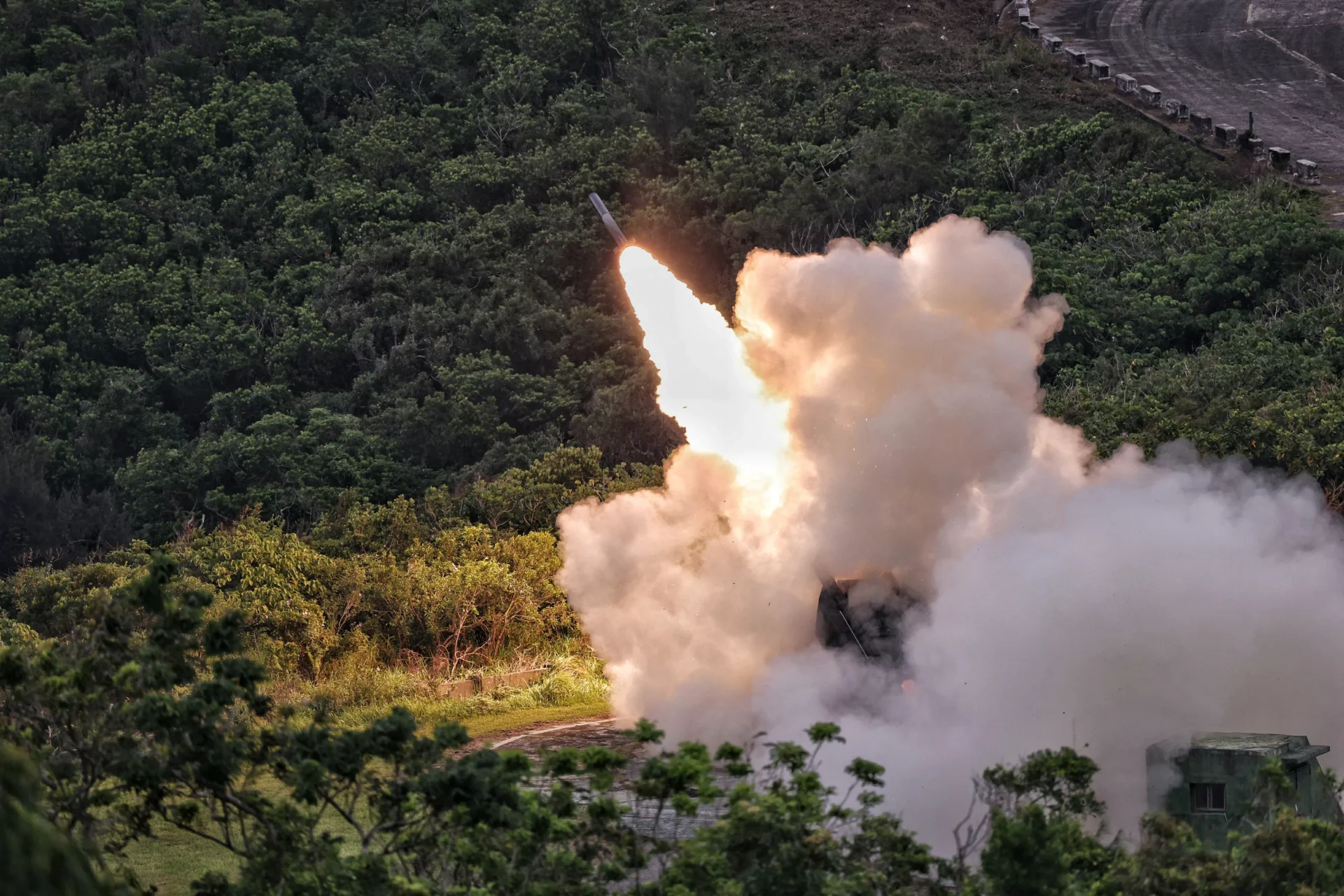
According to a report by the Stockholm International Peace Research Institute (SIPRI), China-wary governments account for three of the world’s top 10 arms importers. These governments, which include India, Australia, and South Korea, have been ramping up their arms purchases in response to China’s growing military capabilities.
India, which is the world’s second-largest arms importer, has been steadily increasing its defense budget in recent years. The country has been locked in a border dispute with China for decades and has been wary of China’s military modernization and expansion. As a result, India has been investing in advanced weapons systems, including fighter jets, submarines, and missiles, to bolster its defense capabilities.
Australia, which is the world’s sixth-largest arms importer, has also been increasing its defense spending in response to China’s growing presence in the Indo-Pacific region. The country has been investing in new submarines, fighter jets, and other advanced weapons to counter China’s military buildup in the South China Sea.
South Korea, which is the world’s eighth-largest arms importer, has also been boosting its defense capabilities in response to China’s military modernization and North Korea’s nuclear and missile programs. The country has been investing in new fighter jets, missiles, and other advanced weapons to counter potential threats from its neighbors.
The increase in arms imports by these countries is a clear indication of their concerns about China’s growing military power. China has been rapidly modernizing its military and has been investing in advanced weapons systems, including aircraft carriers, stealth fighters, and hypersonic missiles. This has raised alarms among its neighbors and other countries around the world.
However, it is not just China’s military capabilities that are causing concern. China’s assertive behavior in the South China Sea and its Belt and Road Initiative, which aims to increase its economic and political influence globally, have also raised suspicions among other countries.
The Belt and Road Initiative, which involves massive infrastructure projects in countries around the world, has been viewed by some as a way for China to expand its military presence and gain strategic advantages. This has led to increased scrutiny and caution from countries that are wary of China’s intentions.
In addition to India, Australia, and South Korea, other countries in the Asia-Pacific region, such as Japan and Vietnam, have also been increasing their arms imports in response to China’s rise. This has led to a regional arms race, with countries trying to keep up with China’s military modernization.
However, it is not just the Asia-Pacific region that is concerned about China’s growing military power. European countries, such as Germany and France, have also been increasing their arms imports in response to China’s rise. This is a significant shift, as these countries have traditionally been major arms exporters.
The increase in arms imports by these countries is a clear indication of the changing global dynamics and the growing influence of China. It also highlights the need for countries to maintain a balance of power and ensure their own security in the face of China’s rise.
While the increase in arms imports may seem like a negative development, it also presents opportunities for countries to strengthen their defense industries and create jobs. For example, India’s arms imports have led to the development of its domestic defense industry, which has become a major player in the global arms market.
In conclusion, China’s growing military power and assertive behavior have led to an increase in arms imports by countries around the world. This trend is likely to continue as long as China’s rise remains a concern for these countries. However, it also presents opportunities for countries to strengthen their defense capabilities and create a more balanced global order.
