
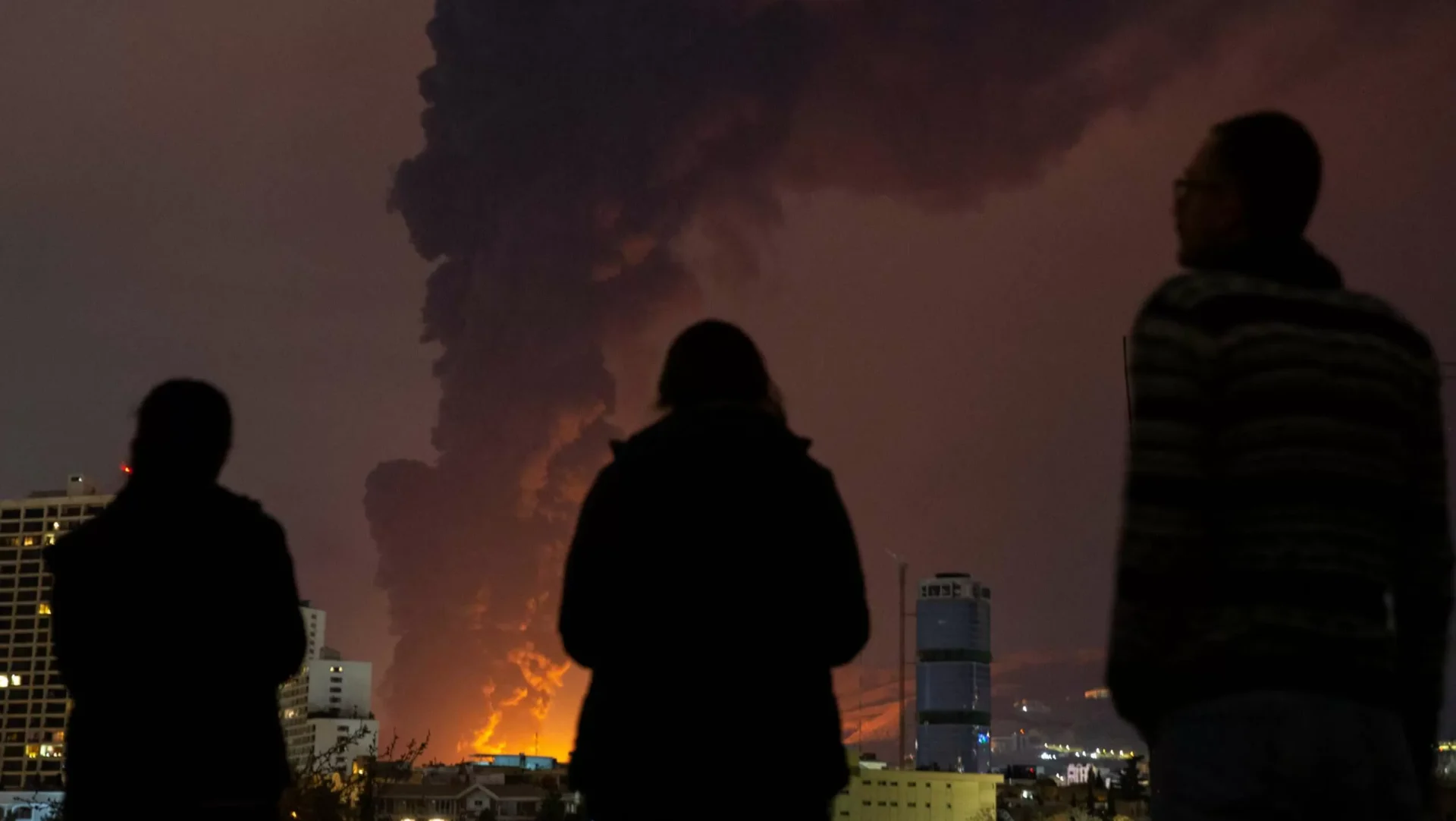
In recent years, tensions between the United States and Iran have reached a boiling point, with both countries engaging in a series of back-and-forth attacks. However, the latest news from the region is far from positive, as the seventh American casualty in the ongoing conflict has been reported. This tragic development is yet another reminder of the high cost and devastating consequences of war. But as we mourn the loss of another life, it is also essential to examine the role that the United States has played in fueling this conflict.
The death of the American contractor, Nawres Waleed Hamid, marks the seventh American life lost in the recent escalation between the U.S. and Iran. According to reports, he was killed in a rocket attack on a military base in Iraq, which has been attributed to an Iranian-backed militia. This is a sad and sobering reminder that behind every statistic and political rhetoric, there are real people whose lives are forever changed by the consequences of war.
At the same time, there are disturbing reports that suggest that the U.S. could be responsible for death and suffering far beyond the current number of casualties. According to a recent article by The Intercept, a U.S. airstrike on a school in Raqqa, Syria, in 2017, may have caused the death of dozens of innocent civilians, including children. Despite initial denials, the U.S. Central Command has since acknowledged that the strike likely caused civilian deaths. This is not only a humanitarian tragedy but also raises serious questions about the U.S.’s actions and accountability in the region.
It is no secret that tensions between the U.S. and Iran have been escalating since the Trump administration withdrew from the nuclear deal and imposed harsh sanctions on Iran. However, what many may not know is the role that influential U.S. politicians have played in stoking the flames of war. One such name is Senator Lindsey Graham, who has been a vocal advocate for military action against Iran. In a recent interview with Fox News, Graham admitted that he had urged President Trump to take out Iran’s top military leader, Qasem Soleimani, as early as 2019. While it is unclear if Trump heeded Graham’s advice, his comments paint a troubling picture of reckless and dangerous foreign policy decision-making.
But it is not just U.S. politicians who are contributing to the escalating tensions. The U.S.-led coalition’s continued presence in the region, and its involvement in conflicts in Iraq and Syria, has also been a major source of strife. Despite the defeat of ISIS, U.S. troops remain in these countries, often carrying out airstrikes and engaging in other operations that further destabilize the region. This presence not only puts American lives at risk but also fuels anti-U.S. sentiment in the region, making it harder to build sustainable peace and stability.
In the face of such devastating news, it can be easy to feel disheartened and hopeless. But it is essential to remember that the power to bring positive change lies in each one of us. As citizens of the world, we must hold our leaders accountable for their actions and demand transparency and accountability in foreign policy decision-making. We must also continue to push for peaceful solutions to conflicts and advocate for diplomacy over military intervention.
In the end, it is the innocent lives that are lost and the families who are left to bear the burden of the consequences of war. As we mourn the loss of the seventh American in the Iran conflict, let us also remember the countless civilians who have lost their lives and the families who have been torn apart by this ongoing conflict. May their sacrifices never be forgotten, and may we all work towards a world where conflicts are resolved through dialogue and diplomacy rather than violence and aggression. Only then can we truly honor the memory of those whose lives have been lost.
