
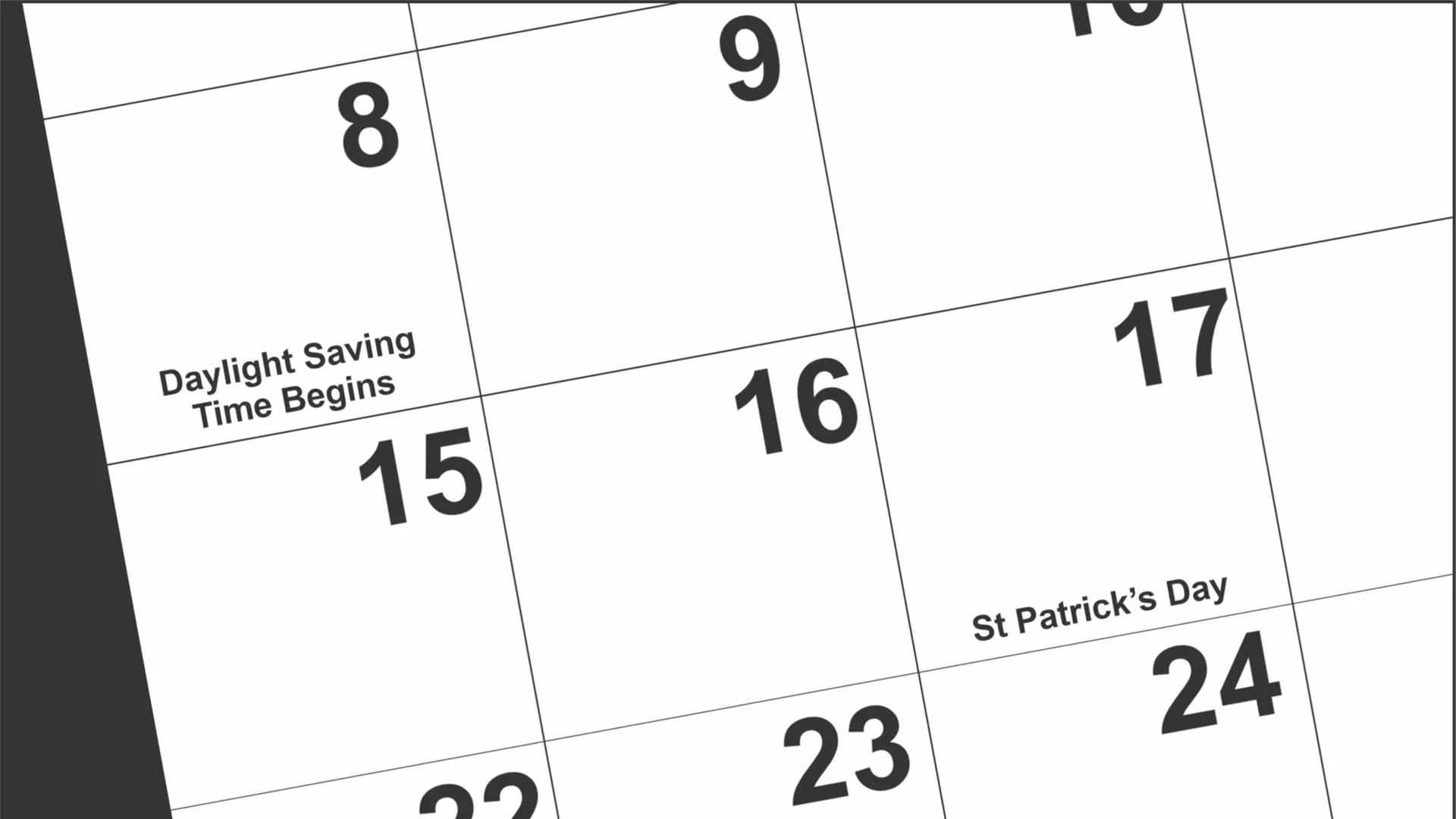
As we approach March 8, 2026, many of us are preparing to change our clocks once again for daylight saving time. This biannual tradition has been a part of our lives for over a century, but do we really know everything there is to know about it? In this article, we will delve into the history, purpose, and effects of daylight saving time, and provide you with all the information you need to make the most of this time change.
Firstly, let’s start with the basics. Daylight saving time (DST) is the practice of setting the clocks forward by one hour during the spring and back by one hour in the fall. This means that on March 8, 2026, we will be setting our clocks one hour ahead, resulting in an extra hour of daylight in the evenings. This change will remain in effect until November 1, 2026, when we will set our clocks back to standard time.
The concept of daylight saving time was first proposed by Benjamin Franklin in 1784, but it wasn’t until World War I that it was implemented in several countries as a way to conserve energy. By adjusting the clocks to match the natural daylight hours, it was believed that less artificial light would be needed, thus saving energy and resources. However, after the war ended, many countries abandoned DST, only to reinstate it during World War II for the same reasons.
In the United States, DST was officially established in 1966 with the Uniform Time Act, which standardized the start and end dates for DST across the country. However, the decision to observe DST is ultimately left to each state, and currently, not all states participate in this time change. Arizona and Hawaii are the only two states that do not observe DST, while the rest of the country follows the spring and fall time changes.
So, why do we still observe daylight saving time? The main reason is to make better use of natural daylight and to save energy. By having more daylight in the evenings, people are less likely to use artificial lighting, thus reducing energy consumption. Additionally, DST has been linked to a decrease in traffic accidents and crime rates due to the extra hour of daylight in the evenings. It also allows for more time for outdoor activities and boosts the economy in industries such as tourism and retail.
However, not everyone is a fan of daylight saving time. Some argue that the time change disrupts our natural sleep patterns and can lead to health issues such as fatigue and increased risk of heart attacks. Others argue that the energy savings are minimal and that the time change can be confusing and inconvenient, especially for those who have to adjust their schedules accordingly.
Despite the debate, it seems that daylight saving time is here to stay for the foreseeable future. So, how can we make the most of this time change? Here are a few tips to help you adjust to the new schedule:
1. Start adjusting your sleep schedule a few days before the time change. This will help your body adapt to the new time gradually.
2. Take advantage of the extra hour of daylight in the evenings. Go for a walk, have a picnic, or engage in any outdoor activity that you enjoy.
3. Use blackout curtains or eye masks to help you sleep if the extra hour of daylight in the mornings affects your sleep.
4. Be mindful of the time change when making travel plans or scheduling appointments. It’s easy to forget about the time change and show up an hour early or late.
5. Take care of your health during this transition. Make sure to get enough rest, stay hydrated, and eat well to avoid any negative effects of the time change.
As we prepare to change our clocks on March 8, 2026, let’s embrace the extra hour of daylight and make the most of it. Whether you love or hate daylight saving time, it’s a tradition that has stood the test of time and has become a part of our lives. So, let’s use this time change as an opportunity to appreciate the beauty of natural daylight and to make positive changes in our daily routines. Happy daylight saving time!
