
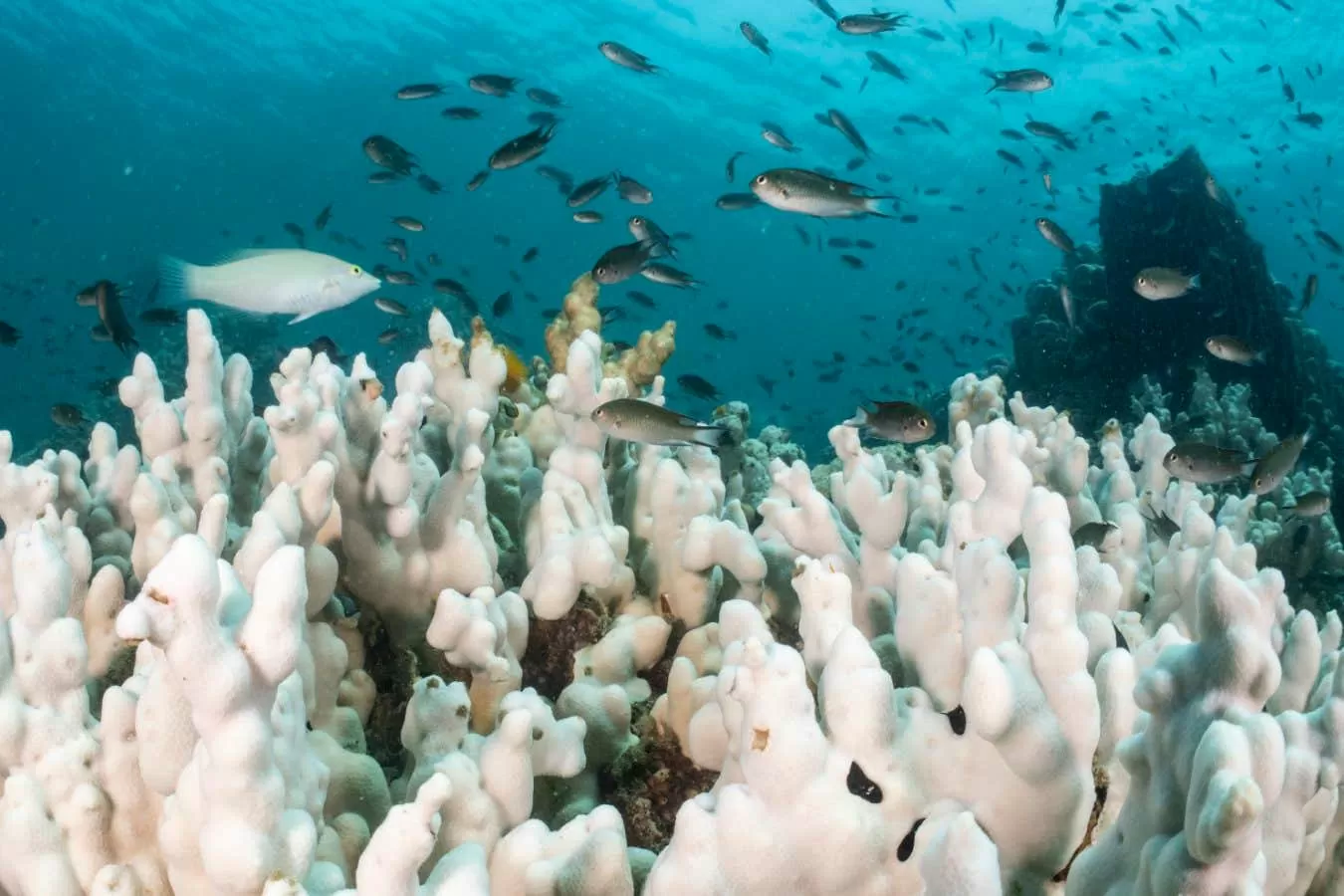
Since 2014, the planet has been experiencing a steady increase in temperature, with a rise of about 0.36°C per decade. This alarming trend has been revealed by a comprehensive analysis of five different temperature datasets, causing growing concerns among scientists and environmentalists. The rise in temperature has raised fears that we are approaching a critical point in our climate, where irreversible changes may occur, and the consequences could be catastrophic.
The Earth’s temperature has been rising steadily since the Industrial Revolution, mainly due to human activities such as burning fossil fuels, deforestation, and industrial processes. However, the rate at which the temperature is increasing has accelerated in recent years, and the past five years have been the hottest on record. This is a clear indication that urgent action needs to be taken to reduce our carbon footprint and mitigate the effects of climate change.
The analysis of the five temperature datasets, including those from NASA, NOAA, and the Met Office, show a consistent and significant increase in global temperatures. This is a cause for concern as it means that the Earth’s natural systems are being pushed to their limits, and we may be approaching a tipping point. Tipping points are thresholds in the Earth’s climate system that, once crossed, can lead to irreversible and potentially catastrophic changes. These changes could include the melting of polar ice caps, rising sea levels, extreme weather events, and the extinction of many species.
The rising temperatures are not only a threat to the environment, but they also have serious implications for human health and well-being. Heatwaves, droughts, and floods are becoming more frequent and intense, causing displacement, food shortages, and the spread of diseases. These impacts are felt most severely by vulnerable communities, such as those living in low-lying areas or in poverty.
It is evident that urgent action is needed to address the issue of climate change. The good news is that we still have time to make a difference. The Paris Agreement, adopted in 2015, aims to keep the global temperature rise well below 2°C and to pursue efforts to limit it to 1.5°C. This requires a significant reduction in greenhouse gas emissions, and many countries have committed to transitioning to clean and renewable energy sources.
However, to achieve this goal, we need to act fast and work together. Governments, businesses, and individuals all have a role to play in mitigating the effects of climate change. Governments need to implement and enforce policies that promote sustainable practices and reduce carbon emissions. Businesses can also make a significant impact by adopting environmentally friendly practices and investing in renewable energy. As individuals, we can reduce our carbon footprint by making simple changes in our daily lives, such as using public transportation, reducing our meat consumption, and conserving energy.
It is also crucial to raise awareness and educate people about the urgency of the situation. We need to understand that our actions have a direct impact on the planet and that we must take responsibility for preserving it for future generations. We can all make a difference, no matter how small our actions may seem.
Despite the alarming statistics, there is still hope for our planet. We have the technology and the resources to combat climate change and create a more sustainable future. But we must act now before it’s too late. We cannot afford to ignore the warning signs any longer. The time for action is now.
In conclusion, the analysis of the five temperature datasets clearly shows that the Earth’s temperature is rising at an alarming rate. This should serve as a wake-up call for all of us to take immediate action to reduce our carbon footprint and mitigate the effects of climate change. Let us work together to create a healthier, more sustainable planet for ourselves and future generations. The power to make a difference is in our hands, and it’s time to use it for the greater good.
