
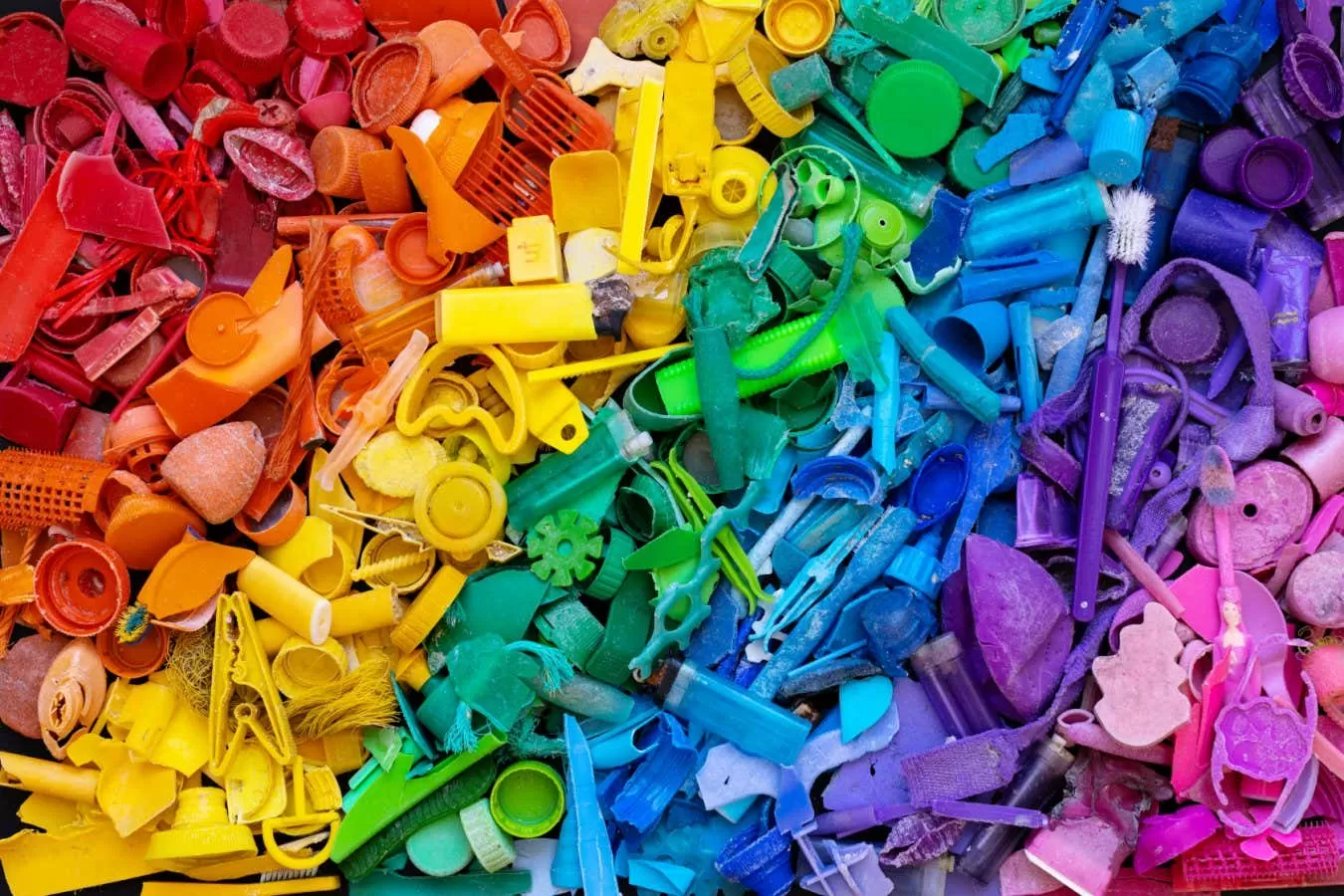
Microplastics have become a hot topic in recent years, with alarming claims about their presence in our water, food, and even our bodies. These tiny plastic particles, less than 5 millimeters in size, are a result of the breakdown of larger plastic items or the direct release of microbeads from products like toothpaste and face wash. But as more and more research is conducted, questions have arisen about the validity of these claims. So, do we really need to worry about microplastics? Let’s take a closer look.
First, let’s understand the extent of the problem. It is estimated that there are over 5 trillion pieces of plastic in our oceans, with microplastics making up a significant portion of that. These particles are so small that they can easily be ingested by marine animals, causing harm to their health and even death. And as these animals are consumed by larger ones, the microplastics make their way up the food chain, potentially ending up on our plates.
But what about the claims of microplastics being found in our drinking water and even our body tissues? While it is true that microplastics have been detected in both, the levels are still relatively low. In fact, a study by the World Health Organization (WHO) found that the levels of microplastics in drinking water are not considered a health risk at the current levels. And as for our body tissues, the research is still in its early stages and more studies are needed to fully understand the potential health effects.
Another aspect to consider is the type of microplastics that are being studied. Not all microplastics are created equal, and some may have a higher potential for harm than others. For example, microplastics from synthetic clothing fibers may have a higher chance of being ingested by marine animals compared to microbeads from personal care products. This is because these fibers are released into the water during the washing process and can easily be mistaken for food by marine life.
So, what can we do to reduce our exposure to microplastics? The first step is to reduce our overall plastic consumption. This means using reusable bags, water bottles, and containers whenever possible. We can also choose products that are free from microbeads and opt for natural or biodegradable alternatives. Properly disposing of plastic waste is also crucial, as it can prevent larger plastic items from breaking down into microplastics.
But what about the microplastics that are already in our environment? This is where technology and innovation come into play. Researchers are constantly working on new methods to detect and remove microplastics from our water and food sources. For example, a team of scientists from the Netherlands has developed a method to filter microplastics from water using a magnetic liquid. And in terms of food, companies are exploring ways to create edible packaging made from natural materials, reducing the need for plastic packaging altogether.
In conclusion, while the presence of microplastics in our environment is a cause for concern, the claims about their potential harm may have been exaggerated. The current research suggests that the levels of microplastics in our drinking water and body tissues are not a significant health risk. However, it is important to continue studying the issue and taking steps to reduce our plastic consumption and properly dispose of plastic waste. With the help of technology and innovation, we can work towards a cleaner and healthier environment for ourselves and future generations. So, let’s not panic, but rather take action and be mindful of our plastic use.
