
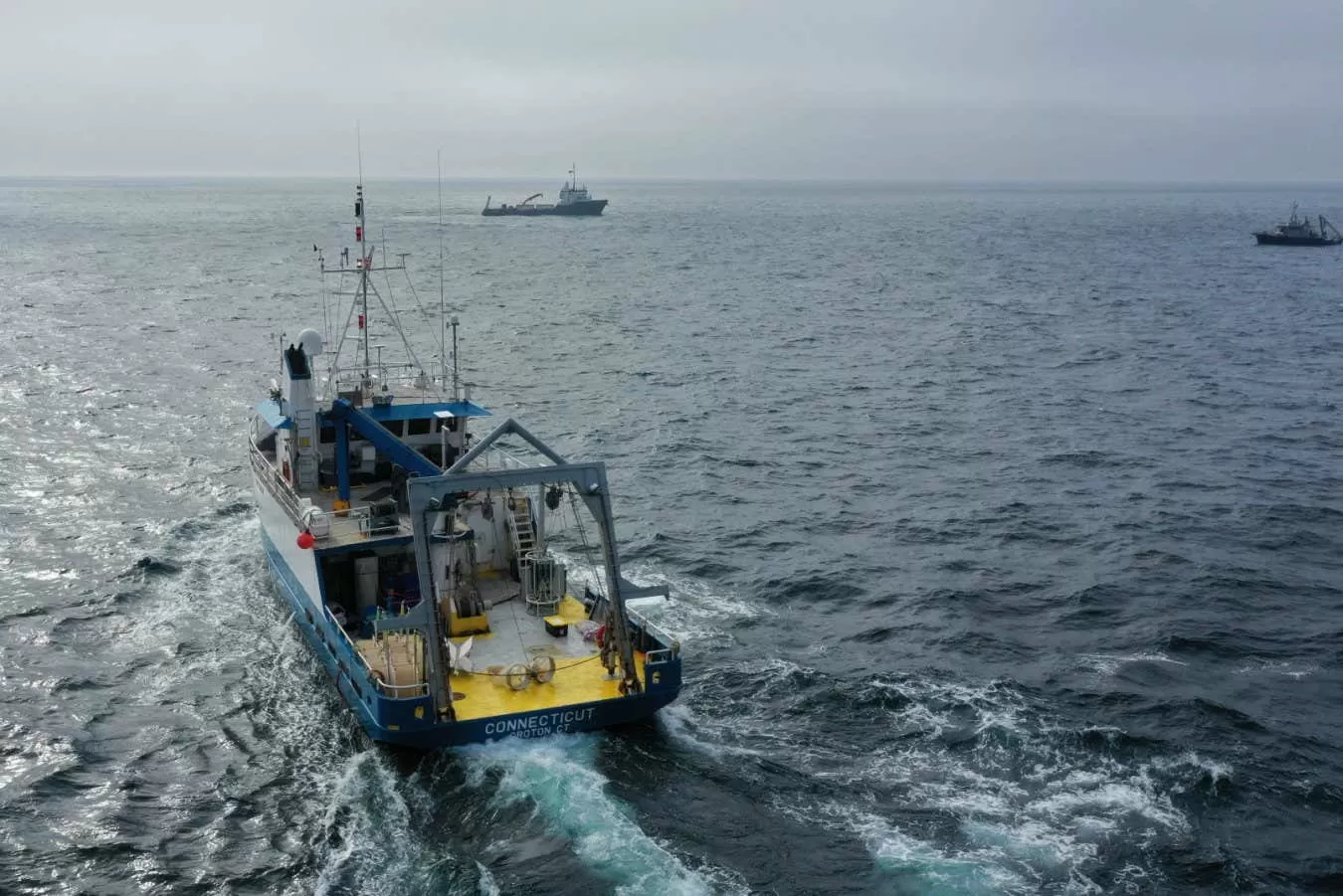
In a groundbreaking experiment, researchers have discovered a new approach to tackle climate change that not only helps reduce carbon dioxide levels in the atmosphere, but also does not harm marine life. The experiment involved pouring 65,000 litres of sodium hydroxide into the Gulf of Maine, which removed up to 10 tonnes of carbon dioxide from the atmosphere without causing any harm to wildlife.
The idea behind this experiment, known as ocean alkalinity enhancement, is to increase the alkalinity of the ocean to absorb more carbon dioxide from the atmosphere. It is a natural process that occurs when carbon dioxide reacts with seawater to form carbonic acid, which then breaks down into bicarbonate ions. These ions can then combine with calcium or magnesium ions in the water to form mineral carbonates, which safely store the carbon for hundreds or even thousands of years.
The team behind this experiment, led by Dr. Michael Wickett from the Woods Hole Oceanographic Institution, chose the Gulf of Maine as the location for their test due to its unique oceanography. The area has a deep ocean layer that is devoid of marine life, making it an ideal location for the experiment. The team also took great care to ensure that the solution was not released at the surface, which could have potentially harmed marine organisms.
Once the sodium hydroxide was released into the designated area, it quickly mixed with the seawater, raising its alkalinity levels. This stimulated a chemical reaction, which then absorbed carbon dioxide from the atmosphere and converted it into bicarbonate ions. The team monitored the levels of carbon dioxide in the air and found that it reduced by up to 10 tonnes within a few hours of the solution being released.
This experiment has shown promising results and has opened up new possibilities for combating climate change. Currently, the carbon dioxide levels in the atmosphere are at a record high, trapping heat and causing the Earth’s temperature to rise. This has led to extreme weather events, rising sea levels, and the extinction of numerous species. Hence, finding ways to remove excess carbon dioxide from the atmosphere is crucial in the fight against climate change.
One of the biggest advantages of ocean alkalinity enhancement is that it is a natural process that has been occurring for millions of years. By enhancing it, we can accelerate the process and reduce the carbon dioxide levels in the atmosphere at a much faster rate. This method also has the potential to be scaled up and used in larger areas, making it an effective solution for reducing carbon dioxide emissions on a global scale.
Moreover, the experiment has also proven to be cost-effective. The materials used in the experiment are readily available and relatively inexpensive. The team estimates that the cost of removing one tonne of carbon dioxide using this method is significantly lower than other carbon capture technologies currently being used.
However, it is essential to understand that ocean alkalinity enhancement is not a standalone solution to climate change. It should be used in combination with other measures such as reducing carbon emissions and implementing sustainable practices in our daily lives. But this experiment has undoubtedly shown that it can play a significant role in reducing carbon dioxide levels in the atmosphere and mitigating the effects of climate change.
Apart from reducing carbon dioxide levels, this experiment has also proved to be environmentally friendly. The team monitored the water quality before, during, and after the experiment and found no significant changes. This is a massive relief for marine life and the ecosystem in the Gulf of Maine, which could have been affected if the solution was released at the surface. It also sets a precedent for similar experiments in the future, assuring that the well-being of marine life will not be compromised in the pursuit of finding solutions to combat climate change.
The success of this experiment has sparked a new wave of optimism and hope in the fight against climate change. It demonstrates that we have the capabilities to come up with innovative and environmentally safe solutions to tackle one of the biggest challenges of our time. It also shows the importance of investing in scientific research and supporting initiatives that aim to preserve our planet.
In conclusion, the experiment of pouring 65,000 litres of sodium hydroxide into the Gulf of Maine has been a tremendous success and has proven to be an effective method of reducing carbon dioxide levels in the atmosphere. It has shown that with the right approach, we can find solutions that not only benefit the environment but also do not harm wildlife. This achievement should be celebrated and serves as a reminder that we all have a responsibility to take care of our planet for future generations.
