
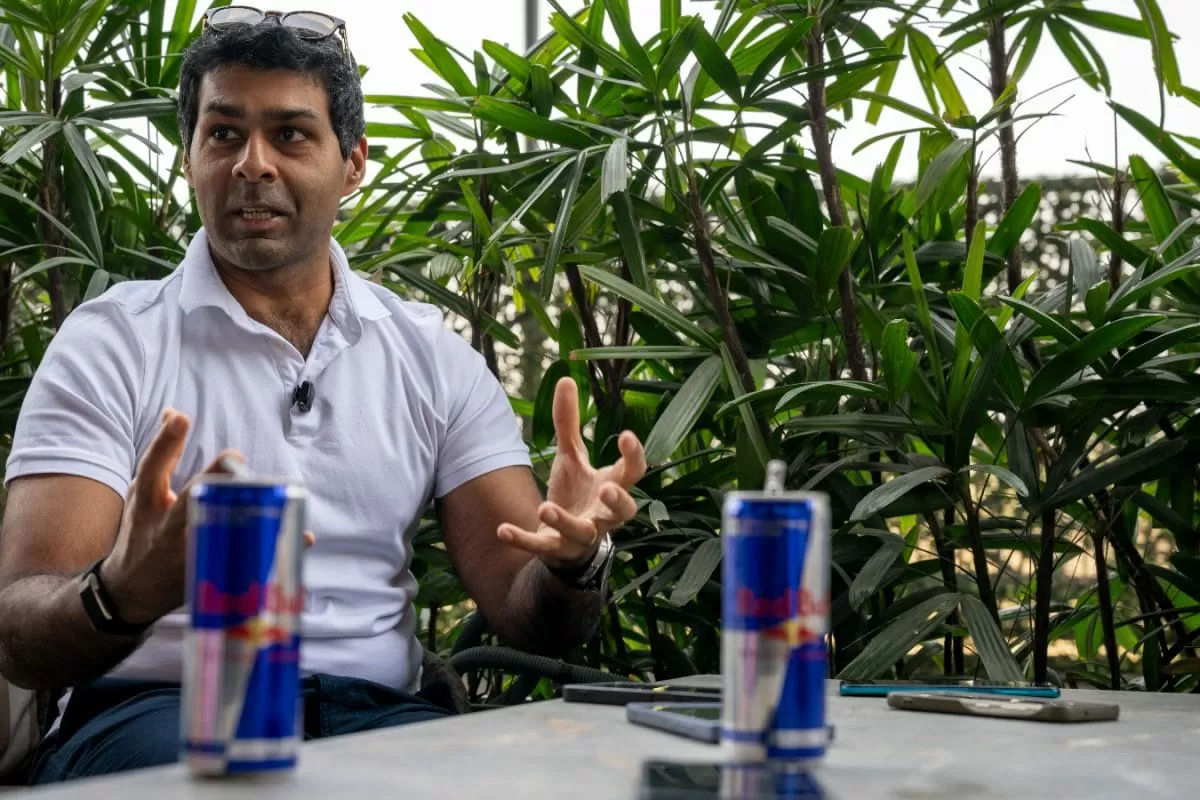
As the world of motorsports continues to evolve, the role of the driver is no longer the only determining factor for success. With fresh regulations and the increasing complexity of hybrid technology, Formula One driver Karun Chandhok believes that it is the engineers who will have the biggest impact on the outcome of races.
Chandhok, who has competed in both Formula One and Formula E, has seen firsthand the changes in the sport over the years. In an interview with Motorsport.com, he shared his insights on the current state of racing and how the focus has shifted from star drivers to the engineering behind the scenes.
Gone are the days when a talented driver could simply jump into a car and outperform their competitors. With the introduction of hybrid engines, the role of the engineer has become more crucial than ever. “The hybrid era has made the cars so much more complex and the engineers are now playing a bigger role in setting up the car,” Chandhok stated.
In the past, the driver’s skill and bravery were the key factors in achieving victory. However, with the advanced technology in today’s cars, it is the engineers who play a pivotal role in determining the performance of the car. They are responsible for analyzing data and making crucial decisions on setup changes that can make all the difference on the track.
Chandhok also believes that the constant evolution of regulations has made it challenging for drivers to adapt quickly. “The regulations have evolved so much over the last few years that it’s difficult for drivers to keep up. There’s so much to learn and understand, and that’s where the engineers come in,” he explained.
This shift in focus from drivers to engineers has also changed the dynamics within the teams. In the past, the driver and engineer had a more equal partnership, but now the engineers have taken on a more dominant role. They are the ones who have a deep understanding of the car and can make the necessary adjustments to suit the track conditions.
Furthermore, the introduction of cost-saving measures in Formula One has also led to a reduction in testing time. This means that engineers have to rely heavily on simulations and data analysis to make decisions, making their role even more critical.
Chandhok’s views are supported by other industry experts as well. Renault team boss Cyril Abiteboul also believes that the role of the driver has changed and that the engineers have a more significant influence on the performance of the car. “The driver is now a bit more of a receiver of the technical decisions that are made by the engineers,” he said in an interview with Autosport.
However, this does not mean that the role of the driver has become insignificant. On the contrary, they still play a crucial role in the success of the team. Their feedback and ability to push the car to its limits are essential for the engineers to make the right decisions.
Chandhok himself acknowledges the importance of a strong driver-engineer relationship. “The driver-engineer relationship is critical. You need to have someone who understands you and can translate what you’re saying into engineering terms,” he stated.
The increasing importance of engineers in the sport has also led to a change in the skill set required to be successful. In the past, teams were solely focused on hiring the best drivers, but now they are also looking for engineers with a strong technical background and data analysis skills.
This shift in focus towards engineering has also opened up new opportunities for young engineers to enter the world of motorsports. With the increasing demand for technical expertise, there has been a rise in the number of engineering graduates pursuing careers in Formula One and other racing series.
In conclusion, the evolution of motorsports has brought about a change in the dynamics between drivers and engineers. With fresh regulations and the complexity of hybrid technology, the role of the engineer has become more critical in determining the success of a team. While star drivers will always be an essential part of the sport, it is the engineers who will set the tone for the future of racing. Their technical expertise and data analysis skills will continue to play a vital role in achieving victory on the track.
