
The Formula One (F1) world was taken by surprise when the Fédération Internationale de l’Automobile (FIA) announced its decision to amend the engine rules for the 2026 season. The new rule states that the compression ratios for both cold and hot states will be capped at 16:1, putting teams like Mercedes, McLaren, Williams, and Alpine under pressure to comply. This move by the FIA has sparked a lot of discussions and debates within the F1 community, with some welcoming the change while others expressing concerns. However, one thing is for sure, this amendment will bring about significant changes in the world of F1.
The FIA’s decision to cap the compression ratios for the 2026 season is a bold move that aims to level the playing field and promote fair competition among teams. The current engine regulations have been in place since 2014, and it is no secret that some teams have been dominating the sport, leaving others struggling to catch up. This has led to a lack of excitement and unpredictability in races, with fans often knowing which team will come out on top before the race even begins. With the new rule, the FIA hopes to change this and bring back the element of surprise in F1.
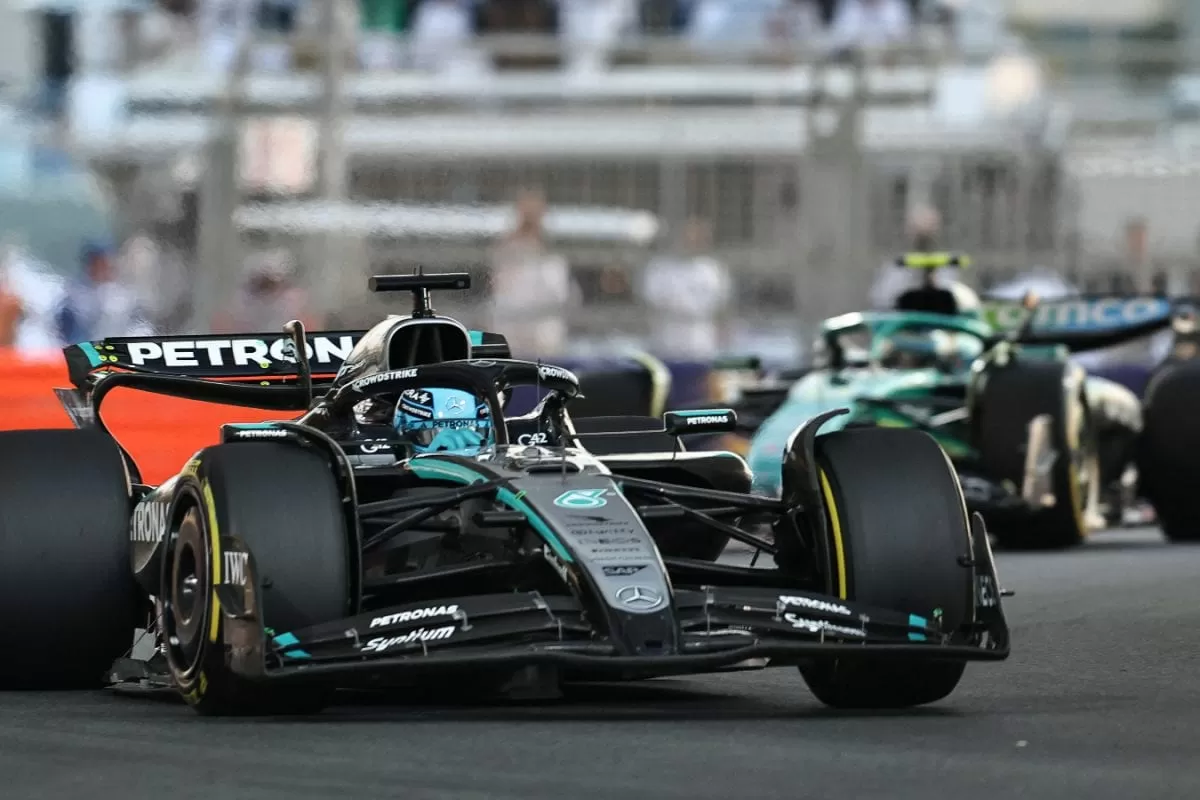
One of the teams that will be most affected by this rule change is Mercedes, who have been dominating the sport for the past seven years. Their engine has been the benchmark for other teams, and they have been able to maintain their dominance due to their superior power unit. However, with the new rule, they will have to make significant changes to their engine to comply with the 16:1 compression ratio. This will undoubtedly put them under pressure, as they will have to find a way to maintain their performance while adhering to the new regulations.
McLaren, Williams, and Alpine are also expected to face similar challenges as they have been using Mercedes engines. This means that they will have to work closely with their engine supplier to make the necessary changes and ensure that they are competitive in the 2026 season. It will be a race against time for these teams as they will have to find the right balance between performance and compliance with the new regulations.
The FIA’s decision to cap the compression ratios has also been met with some concerns from teams and fans alike. Some argue that this will lead to a decrease in engine performance, resulting in slower and less exciting races. However, the FIA has assured that the new regulations will not compromise the overall performance of the engines. In fact, it is believed that the new rules will promote better fuel efficiency, making the sport more sustainable in the long run.
Another concern raised is the cost implications for teams. Making significant changes to the engine to comply with the new rule will undoubtedly come at a cost, and smaller teams may struggle to keep up with the expenses. However, the FIA has stated that they will work closely with the teams to ensure that the cost implications are manageable and do not put any team at a disadvantage.
The FIA’s decision to amend the engine rules for the 2026 season has been met with mixed reactions, but one thing is for sure, it will bring about significant changes in the world of F1. The new rule will promote fair competition, level the playing field, and bring back the element of surprise in races. It will also push teams to innovate and find new ways to improve their engine performance while adhering to the regulations.
The FIA’s decision is a step in the right direction towards making F1 a more exciting and competitive sport. It shows their commitment to promoting fair play and ensuring that no team has an unfair advantage over others. The pressure is now on the teams to adapt and find ways to comply with the new regulations while maintaining their performance. It will be a challenging task, but one that will ultimately benefit the sport and its fans.
In conclusion, the FIA’s decision to amend the engine rules for the 2026 season is a positive move that will bring about significant changes in the world of F1. It will promote fair competition, sustainability, and innovation, making the sport more exciting for fans. The pressure is now on the teams to comply with the new regulations, and it will be interesting to see how they adapt and perform in the 2026 season. As fans, we can look forward to a more competitive and unpredictable F1 in the years to come.
