
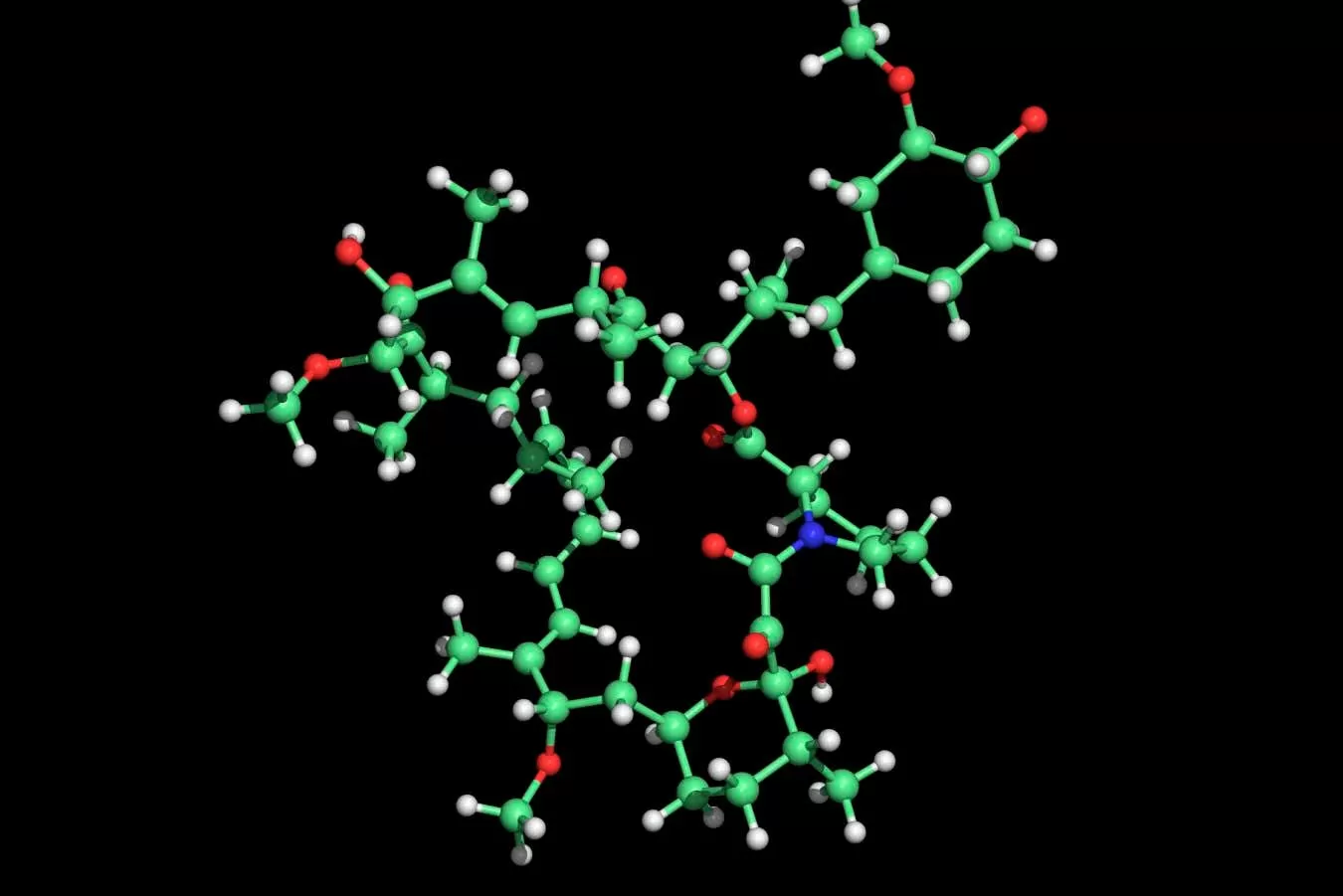
The search for the fountain of youth has been a quest for humanity since ancient times. While many have tried to find ways to extend their lifespan, recent research has shown that the key to longevity may lie in a drug called rapamycin. This drug, originally used as an immunosuppressant, has been found to have life-extending properties. However, the question still remains – can rapamycin or fasting actually add years to your life?
First, let’s understand what rapamycin is and how it works. Rapamycin, also known as sirolimus, is a compound derived from a bacterium found on Easter Island. It was first discovered in the 1970s and has been used as a drug to prevent organ rejection in transplant patients. However, in the early 2000s, scientists discovered that rapamycin has the ability to extend the lifespan of various organisms, including mice, fruit flies, and worms.
So, how does rapamycin work its magic? The drug works by inhibiting a protein called mTOR (mammalian target of rapamycin), which is responsible for regulating cell growth and metabolism. By blocking mTOR, rapamycin slows down the aging process and increases the lifespan of organisms. This has been proven in various studies, where rapamycin has been shown to extend the lifespan of mice by up to 25%.
The potential of rapamycin to extend lifespan has sparked a lot of interest in the scientific community. Many researchers are now exploring the possibility of using rapamycin as an anti-aging drug for humans. However, there are still many questions that need to be answered before rapamycin can be deemed safe and effective for human use.
One of the major concerns surrounding the use of rapamycin is its side effects. As with any drug, there are potential risks involved. Rapamycin has been linked to side effects such as increased risk of infections, diabetes, and impaired wound healing. These side effects need to be carefully studied and addressed before rapamycin can be considered a viable option for extending human lifespan.
Another factor to consider is the dosage and timing of rapamycin treatment. Studies have shown that the timing and dosage of rapamycin can have a significant impact on its life-extending properties. For example, a low dose of rapamycin given to mice at a young age has been shown to increase their lifespan, while a higher dose given later in life had no effect. This highlights the importance of finding the right dosage and timing for rapamycin treatment in humans.
Apart from rapamycin, another method that has been gaining attention for its potential life-extending properties is fasting. Fasting, or restricting calorie intake, has been shown to have similar effects on mTOR as rapamycin. It also activates a process called autophagy, which is responsible for cellular repair and maintenance. Several studies have shown that fasting can increase lifespan and improve overall health in animals. However, more research is needed to determine if the same results can be replicated in humans.
While the idea of extending lifespan through rapamycin or fasting is exciting, it’s important to remember that there is no magic pill for immortality. Aging is a complex process influenced by various factors such as genetics, lifestyle, and environment. Rapamycin or fasting may slow down the aging process, but it cannot stop it altogether.
Moreover, the use of rapamycin or fasting as a life-extending treatment is still in its early stages. More research and clinical trials are needed to fully understand its potential and risks. It’s also important to note that these methods may not work for everyone. Each individual’s response to rapamycin or fasting may vary, and it’s crucial to consult a healthcare professional before considering any form of anti-aging treatment.
In conclusion, the drug rapamycin and fasting have shown promising results in extending lifespan in various organisms. However, whether these methods can actually add years to your life is still uncertain. While the research is ongoing, it’s important to focus on leading a healthy lifestyle, which includes a balanced diet and regular exercise. After all, the true key to a long and fulfilling life may lie in our own hands.
