
An Assessment of Dog Breeds Prone to Brachycephalic Obstructive Airway Syndrome
Dogs are known as man’s best friend for a reason – they are loyal, loving, and provide us with endless amounts of joy and companionship. However, like humans, dogs can also suffer from health issues that can impact their quality of life. One such issue is Brachycephalic Obstructive Airway Syndrome (BOAS), a condition that affects a dog’s ability to breathe properly, sleep, and exercise. Recently, a study conducted by the Royal Veterinary College (RVC) in London has identified 12 dog breeds that are prone to this condition, shedding light on the importance of responsible breeding practices and raising awareness among dog owners.
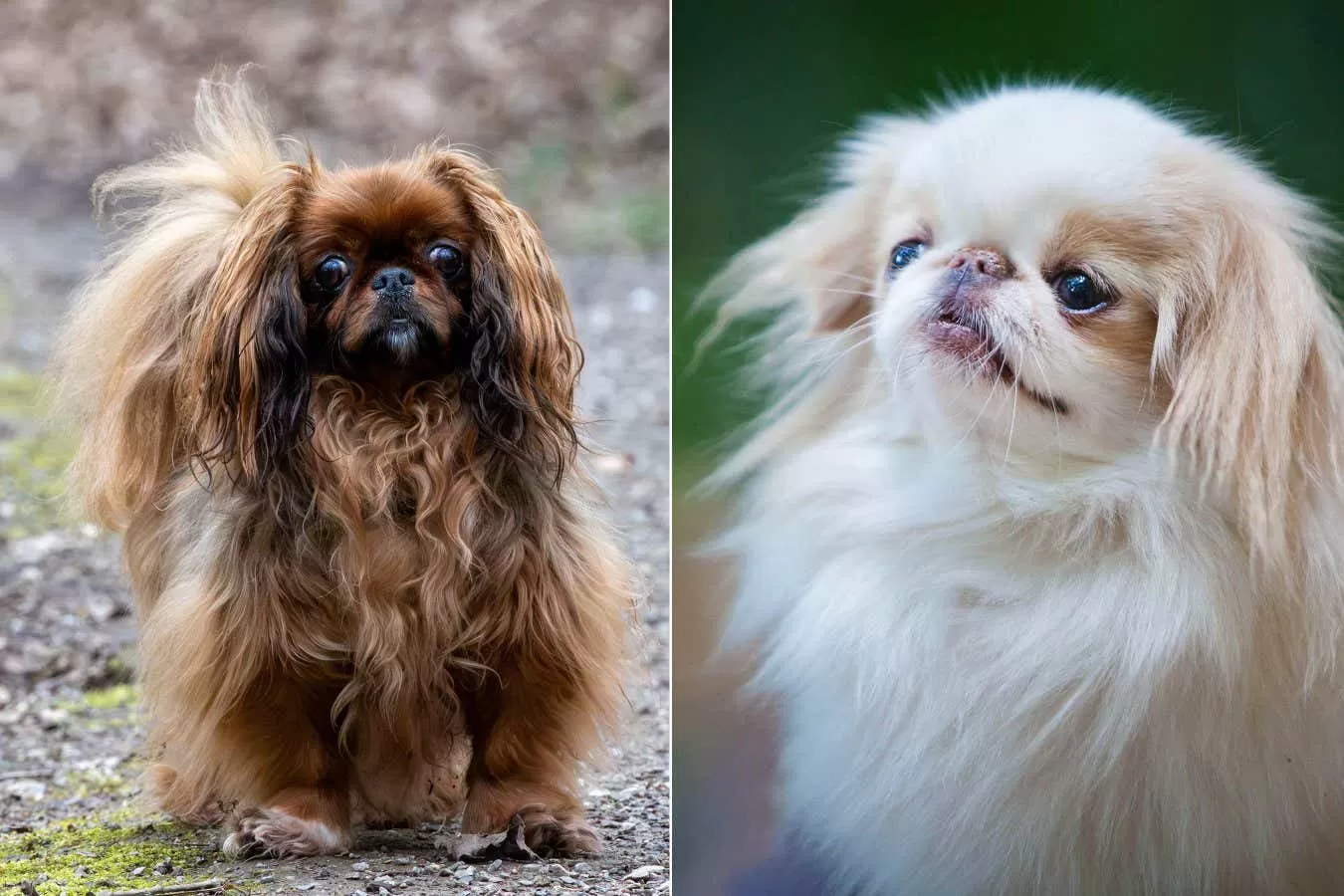
The study, which assessed nearly 900 dogs, found that certain breeds with short, flat faces, known as brachycephalic breeds, are more likely to develop BOAS. These breeds include the English Bulldog, French Bulldog, Pug, Pekingese, and Shih Tzu, among others. The condition is caused by the shape of their skull, which can lead to narrowed airways, making it difficult for them to breathe. This can result in symptoms such as snoring, wheezing, excessive panting, and difficulty exercising or sleeping.
According to the RVC, BOAS is a progressive condition that can worsen over time if left untreated. It can also lead to other health issues such as heat stroke, heart problems, and even premature death. This makes it crucial for dog owners to be aware of the signs and symptoms of BOAS and seek proper treatment for their furry companions.
The study also revealed that the severity of BOAS can vary among different breeds. For instance, English Bulldogs and French Bulldogs were found to have the most severe symptoms, while Pugs and Shih Tzus showed milder signs. This highlights the importance of breed-specific management and treatment plans for dogs with BOAS.
While BOAS is a hereditary condition, it can also be exacerbated by environmental factors such as obesity, hot weather, and exercise. This means that responsible breeding and proper care can play a significant role in preventing or managing the condition. Breeders should prioritize the health and well-being of their dogs over physical appearance, and potential owners should do thorough research before purchasing a brachycephalic breed.
The RVC study also found that neutered male dogs were more likely to develop BOAS than females, indicating a potential hormonal influence on the condition. This finding can help veterinarians and breeders develop more effective management strategies for BOAS in male dogs.
The good news is that BOAS can be managed with proper treatment, which includes weight management, surgery, and lifestyle changes. For instance, regular exercise can help improve a dog’s respiratory function and reduce the risk of obesity. Owners should also ensure that their dogs have access to cool and well-ventilated areas, especially during hot weather.
The RVC study has shed light on the prevalence of BOAS in certain dog breeds and the need for responsible breeding practices. It has also emphasized the importance of early detection and treatment to improve the quality of life for affected dogs. As dog lovers, it is our responsibility to ensure that our furry companions are healthy and happy, and this starts with understanding the potential health issues they may face.
In conclusion, the RVC study has provided valuable insights into BOAS and its impact on certain dog breeds. It has also highlighted the need for responsible breeding practices and proper care for brachycephalic breeds. As dog owners, we must educate ourselves and others about this condition and work towards creating a healthier future for our beloved four-legged friends. With the right knowledge and actions, we can help our dogs live their best lives and continue to be our faithful companions for years to come.
