
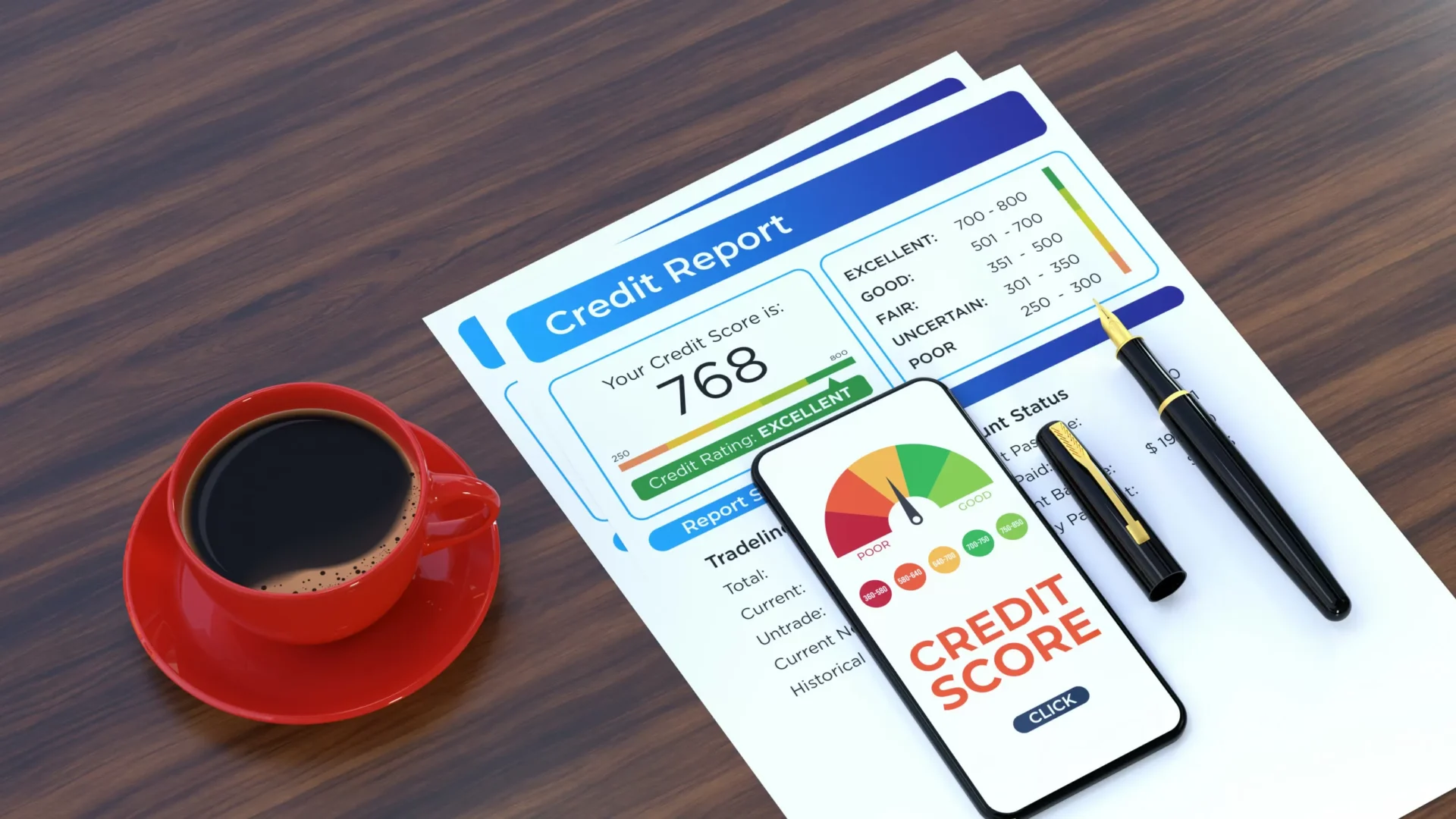
The world today runs on credit. From buying a house to financing a car, credit affects our lives in more ways than we can imagine. And it all boils down to one simple number – the credit score. This three-digit number holds immense power and has the potential to shape our financial future. Many of us may have heard of the ideal credit score of 700 and above, but what about those who have a credit score of 600? In this article, we will explore the implications and possibilities of having a credit score of 600 and how you can use it to your advantage.
Firstly, let us understand what a credit score of 600 means. A credit score is a numerical representation of an individual’s creditworthiness, based on their credit history. It is determined by various factors such as payment history, credit utilization, length of credit history, and types of credit. A score of 600 falls in the range of 580-669, which is considered fair but not excellent. This may be due to a few missed payments, high credit utilization, or having a short credit history. While it may not be the ideal score, it is not necessarily a bad one either.
So, what are the implications of having a credit score of 600? The most significant impact of a lower credit score is the difficulty in obtaining credit or loans from banks and other financial institutions. This is because a lower score indicates a higher risk of defaulting on payments. As a result, lenders may either reject your loan application or offer it at a higher interest rate. This means you may have to pay more in interest, making it challenging to manage your finances.
However, having a credit score of 600 does not mean you are completely out of options. There are still many lenders who are willing to work with individuals with fair credit. You may have to do some research and look for alternative options, such as online lenders or credit unions. These lenders may have more lenient criteria and offer loans at lower interest rates. It is essential to carefully review the terms and conditions before taking on any new credit to avoid falling into a debt trap.
Apart from loans, a credit score of 600 can also have an impact on other aspects of your financial life. For instance, landlords may also check your credit score when considering you as a tenant. A lower score could make it challenging to rent a house or apartment, as landlords may view it as a risk factor. Similarly, some employers also conduct credit checks as part of their hiring process, especially for jobs in the financial sector. A lower credit score may reflect poorly on your financial responsibility, affecting your chances of getting the job.
Nevertheless, having a credit score of 600 does not mean you are bound to face financial hurdles forever. There are ways to improve your credit score, and the first step is to take control of your finances. Start by creating a budget and sticking to it. Make sure to pay all your bills and credit card dues on time. Late payments can have a significant impact on your credit score, so it is crucial to be diligent in this aspect. Additionally, try to keep your credit utilization below 30% of your available credit limit. This will show lenders that you are responsible with your credit and can handle it well.
Another way to improve your credit score is by diversifying your credit. If you only have one type of credit, such as a credit card, consider adding a different type of credit, such as a personal loan or a car loan. This will showcase your ability to manage different types of credit, which can positively impact your credit score. It is essential to keep in mind that improving your credit score takes time and patience. It is a gradual process, but the results will be worth it.
Having a credit score of 600 may have its challenges, but it also opens up possibilities for growth and improvement. One of the main advantages is that it forces you to be more responsible with your finances. This can lead to better financial habits and a more secure financial future. Additionally, a lower credit score does not mean you cannot achieve your financial goals. There are various ways to work around it, such as getting a secured credit card or seeking financial counseling to help you manage your credit better.
In conclusion, while a credit score of 600 may not be the most ideal, it is not the end of the world. It is essential to understand the implications of a lower credit score and take steps
