
Setting a Limit for Global Warming: Why It Didn’t Work and What We Can Do About It
Global warming has been a hot topic for decades now, with scientists warning us about the dire consequences of rising temperatures on our planet. In 2015, the world came together to set a limit for global warming in the historic Paris Agreement. The goal was to limit the global temperature rise to well below 2 degrees Celsius, with efforts to limit it even further to 1.5 degrees Celsius. However, despite this ambitious goal, we are still seeing a lack of urgent action to combat climate change. Bill McGuire, a renowned climate scientist, believes that setting a limit for global warming was not enough to galvanize climate action quickly. Instead, he suggests that we should focus on making the annual average temperature rise clear for all to see.
The Paris Agreement was a significant step towards addressing the global climate crisis. It brought together 197 countries to commit to reducing their greenhouse gas emissions and limit the increase in global temperature. However, five years down the line, we are still far from achieving the set goals. In fact, according to the United Nations, we are on track to surpass the 2 degrees Celsius limit by the end of this century. This is a cause for concern, and it begs the question – why hasn’t setting a limit for global warming spurred immediate and effective action?
One of the main reasons why setting a limit for global warming has not been successful is the lack of urgency. The target of keeping the temperature rise below 2 degrees Celsius seems distant and abstract to most people. It is challenging for individuals to connect with a global temperature rise that will happen decades from now. This has resulted in a lack of motivation and sense of responsibility for taking action. As a result, many countries have not taken significant steps to reduce their emissions, and some have even backtracked on their commitments.
Moreover, the Paris Agreement’s targets were voluntary, with no consequences for countries that fail to meet them. This has led to a lack of accountability and a sense of complacency among nations. Without any immediate repercussions for not meeting the targets, it is easy for countries to prioritize their own economic interests over the well-being of the planet. This has led to a slow and inadequate response to the climate crisis.
But all hope is not lost. Bill McGuire suggests that we shift our focus from setting a limit for global warming to making the annual average temperature rise clear for all to see. This means breaking down the global temperature rise into smaller, more relatable chunks. For instance, instead of talking about a 2 degrees Celsius increase, we can highlight the impact of a 0.5-degree rise in temperature on our planet. This would make it easier for people to understand and visualize the consequences of their actions on the environment.
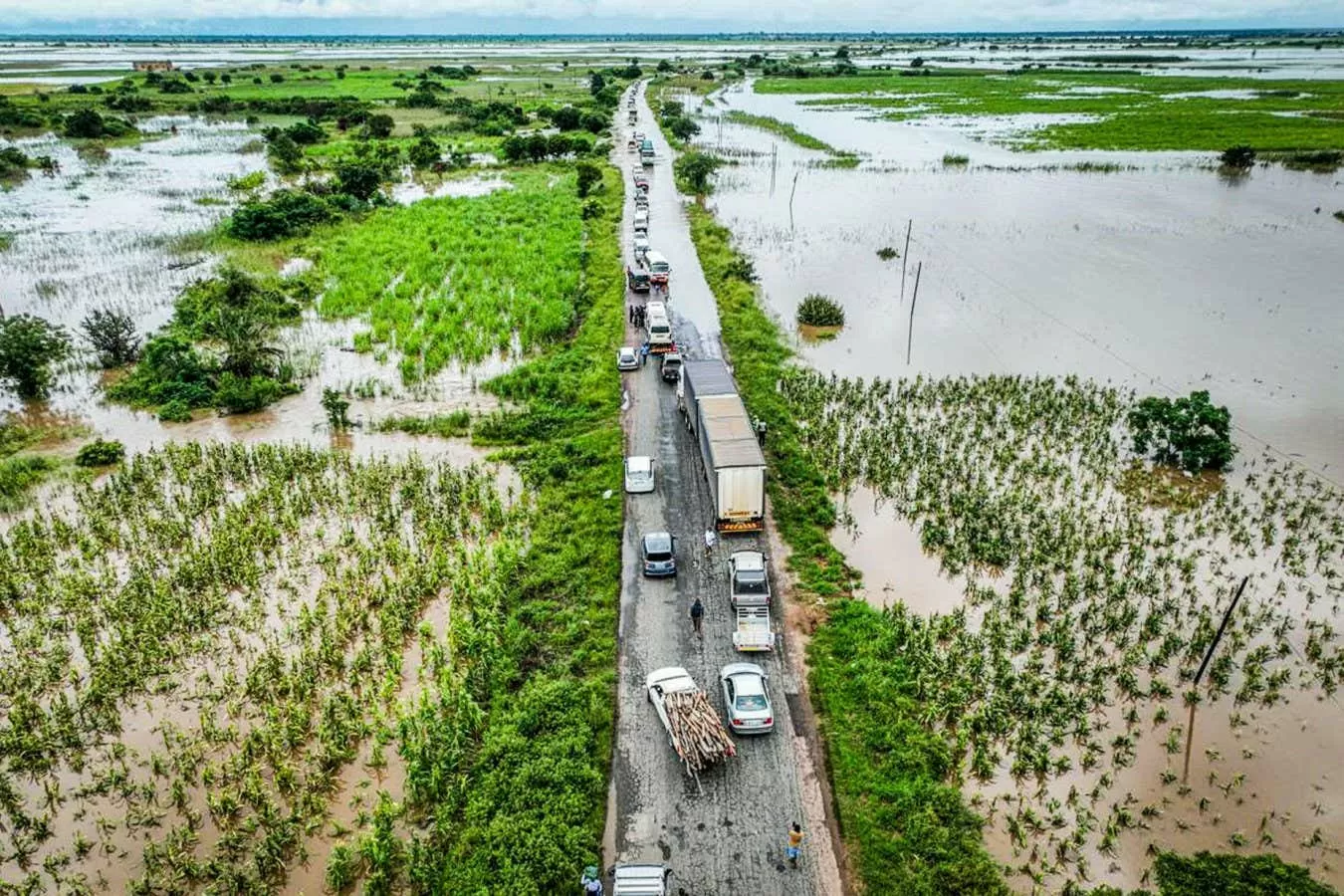
Furthermore, McGuire proposes that we use a more accurate measure of the global temperature rise – the annual average temperature. The current measure, which looks at the average temperature over a 30-year period, can be misleading. It fails to take into account the extreme weather events that occur in a particular year, such as heatwaves, floods, and hurricanes. By using the annual average temperature, we can better illustrate the impact of climate change on a yearly basis and motivate people to take action.
Making the annual average temperature rise clear for all to see can also help in creating a sense of urgency. When people see the immediate and alarming effects of climate change, they are more likely to take action to prevent further damage. This can also push governments to take bolder and more ambitious steps to reduce emissions and transition to clean energy sources.
In conclusion, setting a limit for global warming has not been successful in galvanizing climate action quickly enough. The distant and abstract target of keeping the temperature rise below 2 degrees Celsius has failed to motivate individuals and governments to take immediate and effective action. By focusing on making the annual average temperature rise clear for all to see, we can create a sense of urgency and accountability, which is crucial in addressing the global climate crisis. It is time for us to shift our focus and take bold and decisive action to ensure a sustainable future for our planet.
