
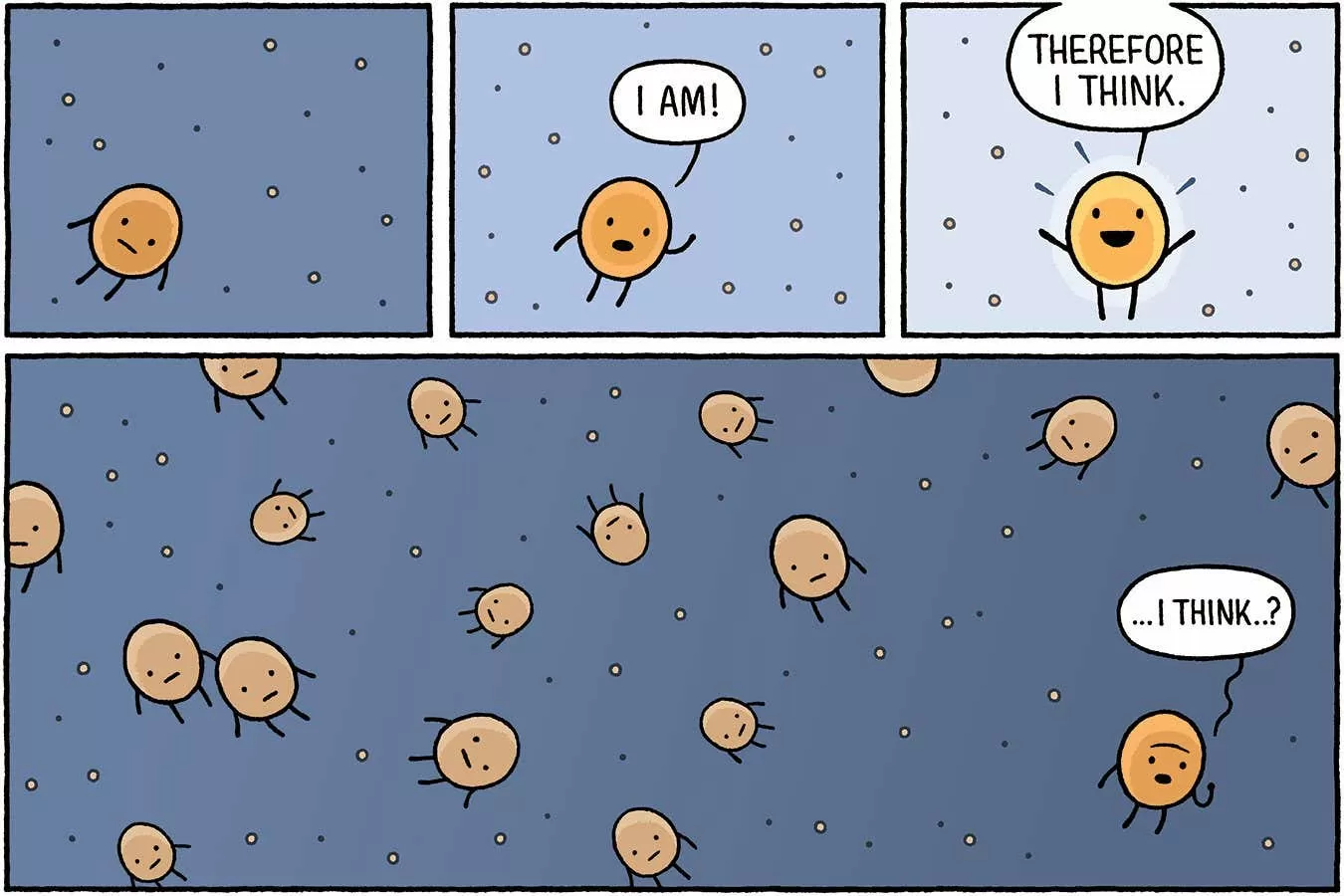
The human body is a complex and intricate system, made up of countless networks of molecules working together to keep us alive and functioning. While we may think of these molecules as simply carrying out their designated tasks, recent research suggests that they may have goals and desires of their own. This fascinating phenomenon has the potential to unlock the mysteries of life and mind, and could lead to groundbreaking discoveries in the fields of biology and neuroscience.
At first glance, it may seem far-fetched to think of molecules as having goals and desires. After all, they are tiny, inanimate objects that make up the building blocks of our bodies. However, scientists have found that these molecules are not just randomly floating around, but are actually organized into intricate networks that communicate and interact with each other.
These networks of molecules behave in a way that is surprisingly similar to living organisms. They have the ability to sense and respond to their environment, adapt to changes, and even make decisions. This has led some scientists to believe that they may possess a form of intelligence, albeit on a microscopic level.
One of the most intriguing aspects of this phenomenon is the idea that these molecular networks may have goals and desires. This concept challenges the traditional view of molecules as passive players in the body, and opens up a whole new realm of possibilities for understanding the origins of life and mind.
So, how exactly do these networks of molecules exhibit goal-directed behavior? It all comes down to their ability to communicate and cooperate with each other. Just like a team of individuals working towards a common goal, these molecules work together to carry out complex tasks and maintain the delicate balance of our bodies.
For example, in the immune system, molecules called antibodies work together to identify and neutralize harmful pathogens. This requires a level of coordination and communication that goes beyond simple chemical reactions. Similarly, in the brain, neurotransmitters and receptors form networks that allow for the transmission of information and the regulation of vital functions.
But what does all of this mean for the origins of life and mind? The prevailing theories on the origin of life suggest that it began with the formation of simple molecules, such as amino acids, that eventually evolved into more complex structures. However, these theories fail to explain how these molecules could have organized themselves into the intricate networks we see in living organisms today.
The concept of molecular networks with goals and desires provides a possible explanation for this gap in our understanding. It suggests that these networks may have emerged as a result of the molecules’ innate drive to survive and thrive. This drive could have led them to form connections and work together, ultimately giving rise to the complex systems we see in living beings.
Furthermore, this phenomenon could also shed light on the origins of the mind. The mind is often described as the result of complex neural networks in the brain, but how these networks came to be is still a mystery. By studying the behavior of molecular networks, scientists may be able to uncover the fundamental principles that govern the formation and function of neural networks, and ultimately, the mind.
The implications of this research are vast and far-reaching. Not only could it help us better understand the origins of life and mind, but it could also have practical applications in medicine and technology. By understanding how these molecular networks work, we could potentially develop new treatments for diseases and create more advanced artificial intelligence systems.
In conclusion, the idea that networks of molecules in our body behave as though they have goals and desires is a fascinating concept that has the potential to revolutionize our understanding of life and mind. It challenges our traditional views of molecules as passive components and opens up new avenues for research and discovery. As we continue to unravel the mysteries of these molecular networks, we may come one step closer to solving the puzzle of life and mind in one fell swoop.
