
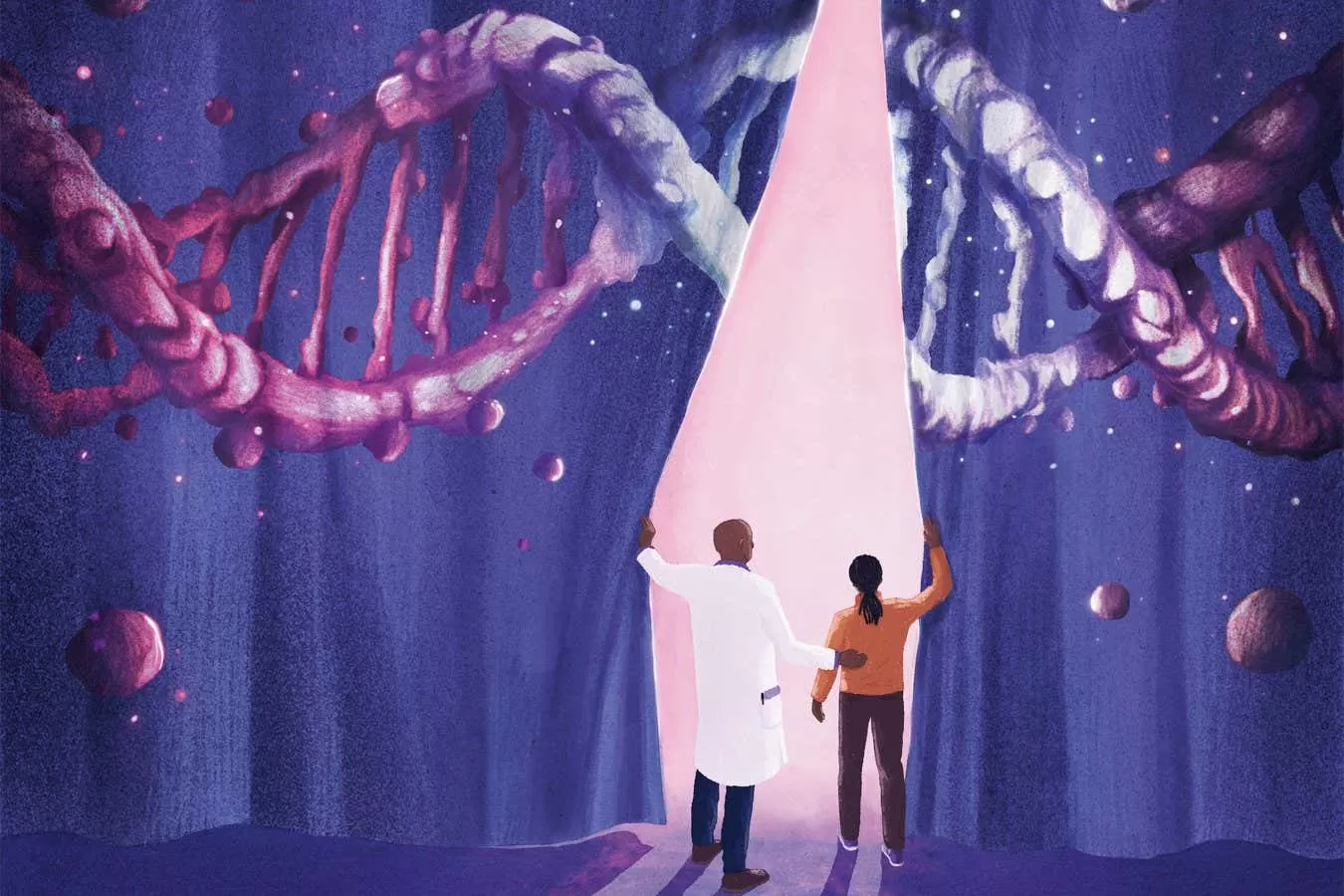
As a doctor working in genomic research, I have seen first-hand how the lack of diverse data in our field has hindered progress and limited our understanding of health disparities. In particular, the lack of vital data for Black people and other marginalized groups has been a major barrier in developing targeted and effective treatments. It’s time for us to recognize this issue and take action to change it.
Genomic research is the study of an individual’s genetic makeup and how it influences their health. This field has made significant strides in understanding diseases and developing personalized treatments. However, these advancements have largely been based on data from white populations, leaving out a significant portion of the population. This has resulted in a lack of representation and understanding of diseases and health disparities among diverse groups.
One of the main reasons for this disparity is the historical exclusion of Black people and other marginalized communities from medical research. This exclusion has created a deep-rooted mistrust of the medical community, making it difficult for researchers to recruit diverse participants. Additionally, there is a lack of funding and resources dedicated to studying the health of these communities, further perpetuating the cycle of underrepresentation.
But the consequences of this lack of data go far beyond the research community. Without a diverse representation in genomic research, we are unable to fully understand the genetic basis of diseases and develop targeted treatments. This means that treatments may not be as effective for certain groups, leading to health disparities and unequal access to healthcare.
So, what can we do to change this? The first step is to acknowledge the problem and actively work towards addressing it. This means actively seeking out diverse participants for research studies and ensuring that their voices are heard. We also need to build trust within these communities by engaging with community leaders and organizations and being transparent about our research and its potential benefits.
Another crucial step is to increase funding and resources for studying the health of marginalized communities. This will allow for more comprehensive and inclusive research, leading to a better understanding of diseases and their genetic basis. We also need to train and educate a diverse group of researchers who can bring their unique perspectives and experiences to the field.
Furthermore, we need to prioritize the collection and analysis of data from diverse populations. This means not only including diverse participants in research studies but also considering factors such as socioeconomic status and geographical location to ensure a representative sample. We also need to address any biases in data collection and analysis to ensure that the data accurately reflects the diverse population.
But it’s not just about collecting data; it’s also about utilizing it effectively. We need to incorporate diverse data into our research and clinical practices to develop targeted and personalized treatments for all individuals, regardless of their background. This will not only improve health outcomes but also promote equity and inclusivity in healthcare.
As a doctor working in genomic research, I am committed to addressing this issue and promoting diversity in our field. But it’s not a one-person job; it requires collective action from researchers, healthcare professionals, policymakers, and the community. We must all work together to ensure that everyone is included and represented in genomic research.
In conclusion, the lack of diverse data in genomic research is a significant barrier that needs to be addressed. It’s time for us to recognize this issue and take concrete steps to change it. By actively seeking out diverse participants, increasing funding and resources, and utilizing data effectively, we can create a more inclusive and equitable healthcare system. Let’s work together to promote diversity in genomic research and improve health outcomes for all.
