
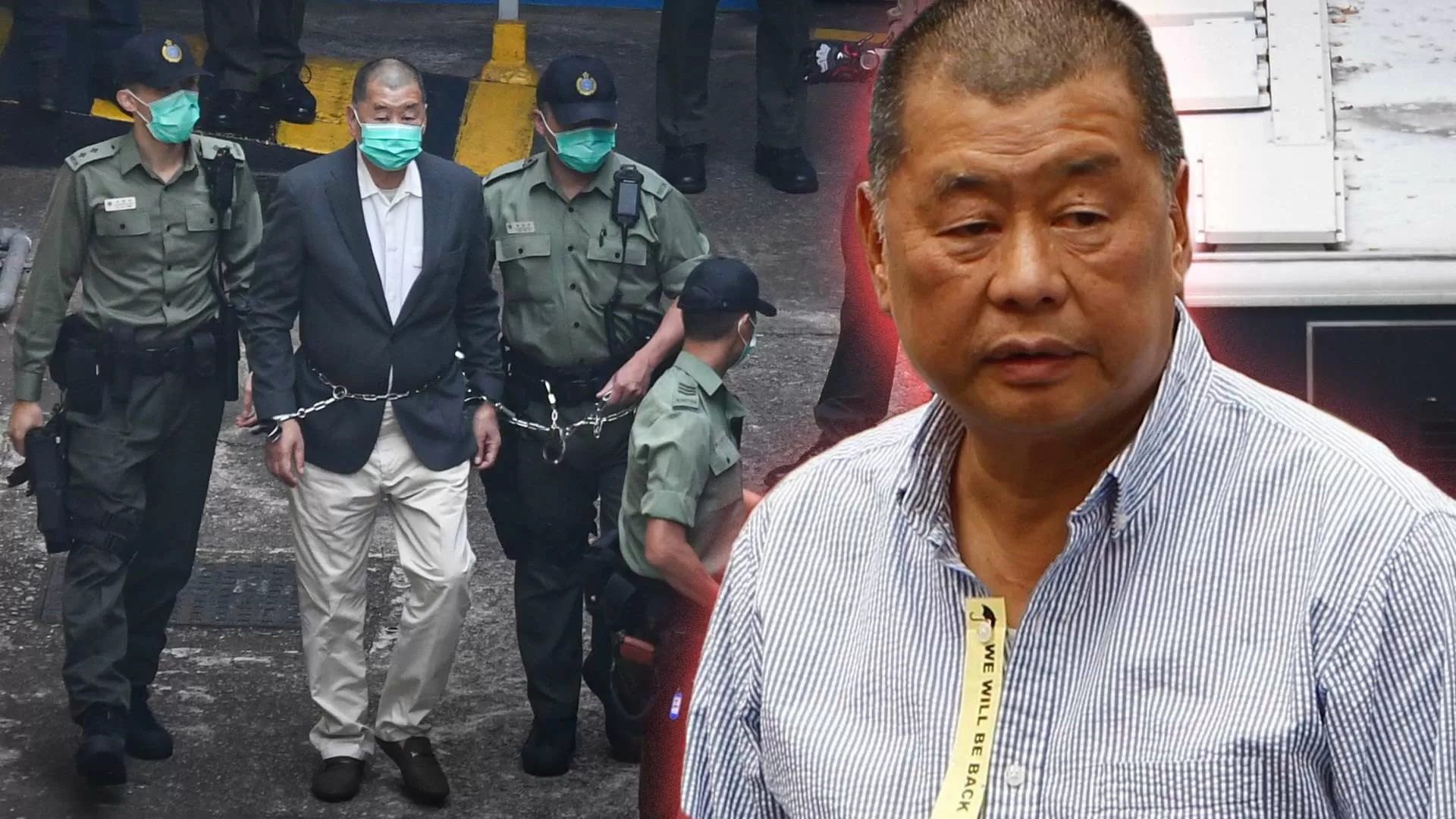
China’s “National Security Law” Targets Pro-Democracy Advocate Jimmy Lai
In recent years, the world has witnessed the ongoing struggle for democracy and freedom in Hong Kong. The city has long been a symbol of resilience and determination, with its people fighting for their rights and liberties against the oppressive rule of China. However, the recent implementation of China’s controversial “national security law” has dealt a major blow to this fight, with pro-democracy advocate Jimmy Lai being one of its primary targets.
Jimmy Lai, a media tycoon and founder of the pro-democracy newspaper Apple Daily, has been a vocal critic of the Chinese government and a staunch advocate for human rights and democracy in Hong Kong. He has been a thorn in the side of the Chinese Communist Party (CCP) for years, using his platform to expose their authoritarian rule and call for government reform. Lai’s unwavering dedication to the cause of democracy and freedom has made him a hero to many in Hong Kong, but it has also made him a prime target for China’s “national security law”.
The law, which was imposed on Hong Kong by the Chinese government in June 2020, aims to crack down on any form of dissent and opposition to the CCP’s rule in the city. It broadly defines crimes such as secession, subversion, terrorism, and collusion with foreign forces, and carries severe penalties, including life imprisonment. This law was perfectly tailored to target someone like Jimmy Lai, who has been a vocal advocate for democracy and has openly criticized the Chinese government.
Lai’s arrest in August 2020 sent shockwaves through Hong Kong and the rest of the world. He was charged with alleged collusion with foreign forces and endangering national security, which could result in a life sentence. The arrest was a clear message from the Chinese government that they will not tolerate any form of dissent, and anyone who speaks out against their rule will face severe consequences.
The arrest of Jimmy Lai is not an isolated incident. It is part of a larger crackdown on pro-democracy activists and dissenting voices in Hong Kong. Since the implementation of the “national security law”, dozens of activists, journalists, and politicians have been arrested, and many have been charged and imprisoned. This law has effectively silenced and intimidated those who dare to speak out against the Chinese government, creating a climate of fear and oppression in Hong Kong.
The impact of Lai’s arrest has been felt not only in Hong Kong but also around the world. It has sparked outrage and condemnation from governments, human rights organizations, and individuals who see it as a blatant violation of freedom of speech and expression. The United States, United Kingdom, and European Union have all imposed sanctions on Chinese officials and entities involved in the implementation of the “national security law” in Hong Kong.
However, despite the international outcry, the Chinese government remains steadfast in its actions. They have defended the law as necessary to maintain stability and national security in Hong Kong, and have accused foreign forces of meddling in China’s internal affairs. This rhetoric is not new, and it is often used to justify the suppression of dissent and opposition in China.
The arrest of Jimmy Lai and the implementation of the “national security law” in Hong Kong is a clear indication of the Chinese government’s determination to maintain control and suppress any form of dissent. It is a blatant violation of the rights and freedoms of the people of Hong Kong and a threat to the city’s autonomy and rule of law. The international community must continue to speak out against these actions and hold China accountable for its actions.
Despite the challenges and obstacles, the fight for democracy and freedom in Hong Kong continues. The arrest of Jimmy Lai has only strengthened the resolve of the people to continue their struggle for a democratic and free society. Lai himself remains defiant, and his courage and determination serve as an inspiration to many. He once said, “I’m not afraid of prison. I’m not afraid of dying. I’m afraid of living in a society where I have no freedom.” This statement embodies the spirit of the people of Hong Kong, who refuse to be silenced and will continue to fight for their rights and liberties.
In conclusion, the arrest of Jimmy Lai is a clear example of how China’s “national security law” is being used to target and silence pro-democracy advocates in Hong Kong. Lai’s unwavering dedication to the cause of democracy and freedom has made
