
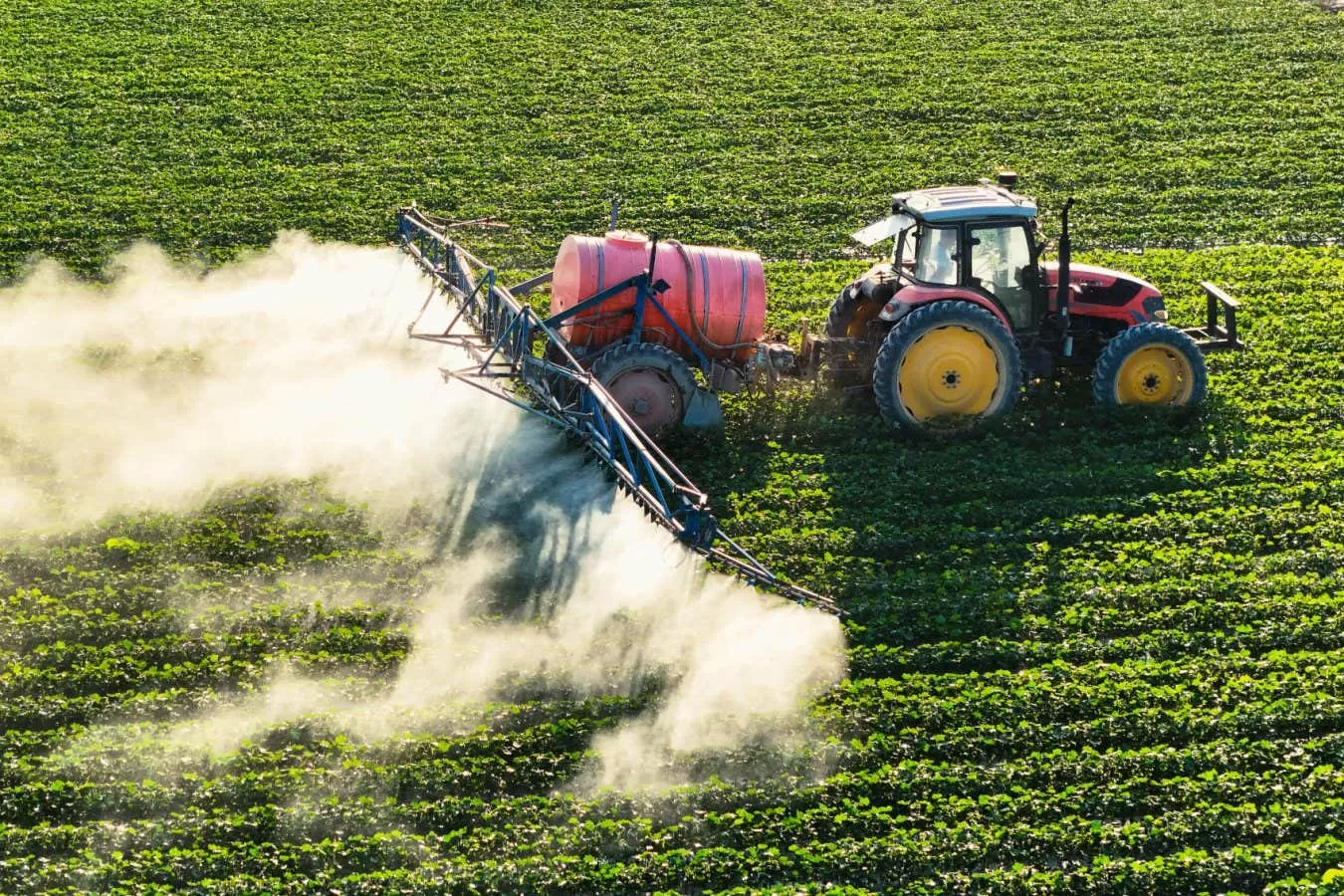
Pesticides are essential tools in modern agriculture, helping to protect crops from pests and increase yields. However, their use has been a topic of debate for many years, with concerns about their impact on human health and the environment. Despite efforts to reduce their usage, it seems that pesticides are becoming more toxic and their use is increasing worldwide.
According to a recent report by the United Nations, just about every country is using more pesticides year after year, despite a UN target to halve the overall risk by 2030. This is a concerning trend, as it not only poses a threat to human health but also to the environment and the delicate balance of our ecosystems.
One of the main reasons for the increase in pesticide use is the growing demand for food due to the ever-increasing global population. Farmers are under pressure to produce more crops in order to meet this demand, and pesticides are seen as a quick and effective solution to protect their crops from pests. However, this short-term solution can have long-term consequences.
Pesticides are becoming more toxic due to the development of pesticide-resistant pests. In order to combat these pests, stronger and more toxic pesticides are being used, which not only harm the pests but also have a detrimental effect on other organisms in the ecosystem. This includes beneficial insects, such as bees, which play a crucial role in pollination and the production of food.
Moreover, the use of pesticides has also been linked to various health issues in humans, including cancer, birth defects, and neurological disorders. These chemicals can enter our bodies through the food we eat, the water we drink, and the air we breathe. Children and pregnant women are particularly vulnerable to the harmful effects of pesticides, as their bodies are still developing and are more sensitive to toxins.
Despite these alarming facts, there is still hope for a more sustainable and environmentally friendly approach to pest management. Integrated Pest Management (IPM) is a holistic approach that combines various methods, such as crop rotation, biological control, and the use of resistant crop varieties, to manage pests in a more sustainable manner. This approach not only reduces the use of pesticides but also helps to maintain a healthy balance in the ecosystem.
Furthermore, there is a growing trend towards organic farming, which prohibits the use of synthetic pesticides and promotes the use of natural methods to control pests. This not only benefits the environment but also produces healthier and more nutritious food for consumers.
Governments and international organizations also play a crucial role in promoting sustainable pest management practices. The UN’s Food and Agriculture Organization (FAO) has set a target to halve the overall risk of pesticide use by 2030. This target can only be achieved through the implementation of stricter regulations and the promotion of alternative pest management methods.
In addition, educating farmers about the proper use of pesticides and the potential risks associated with them is crucial. Many farmers in developing countries are not aware of the dangers of pesticides and may not have access to proper protective equipment. By providing training and support, we can ensure that pesticides are used safely and responsibly.
It is also important for consumers to be aware of the impact of their food choices on the environment and their own health. By choosing organic and locally grown produce, we can support sustainable farming practices and reduce our exposure to harmful pesticides.
In conclusion, the increasing use of pesticides and their growing toxicity is a cause for concern. However, with the implementation of sustainable pest management practices and the support of governments and consumers, we can work towards a safer and more sustainable future. Let us all do our part in protecting our health and the environment by choosing a more responsible approach to pest management.
