
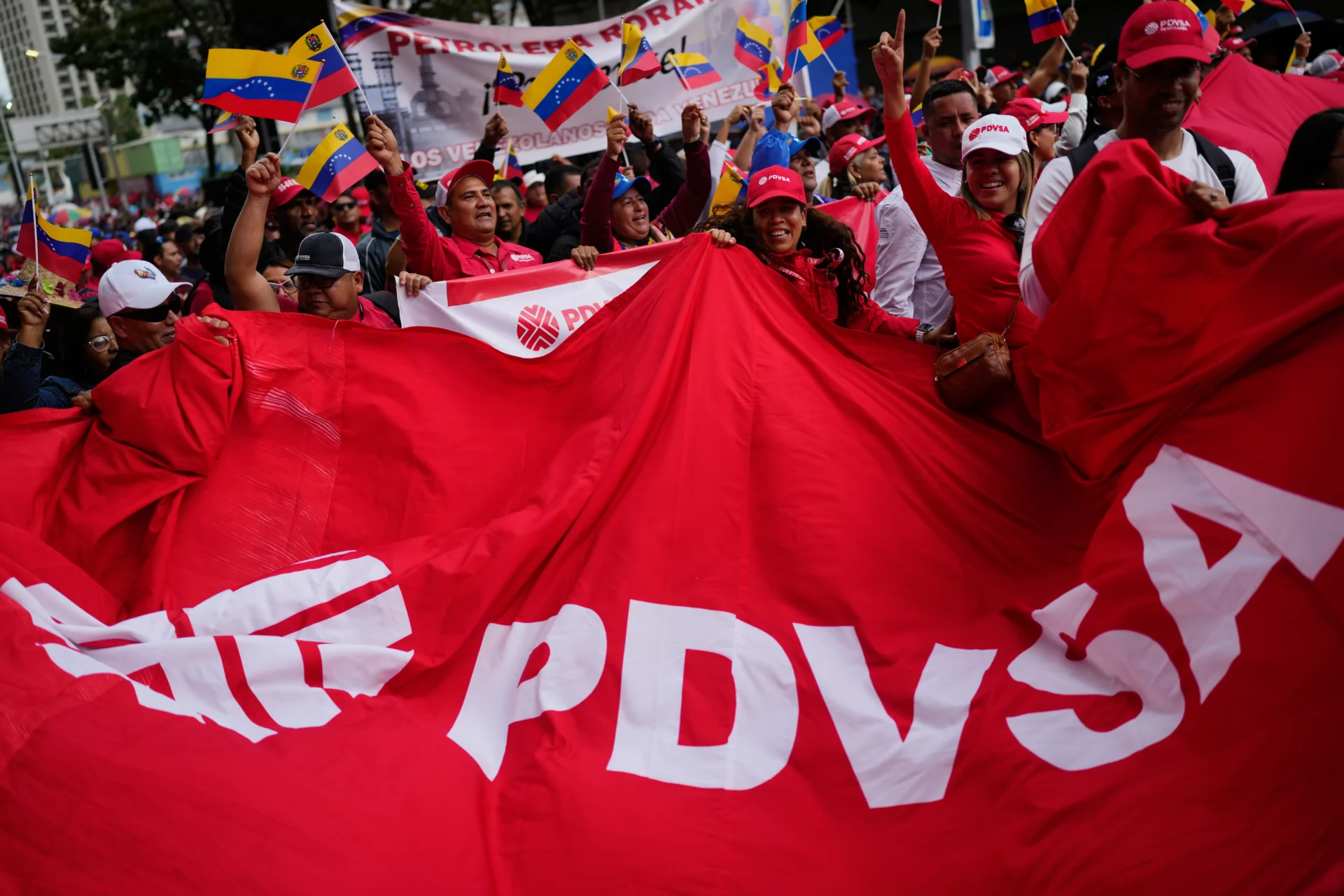
Venezuela, a country known for its vast oil reserves and state-owned oil company, PDVSA, has recently announced its plans to privatize its oil industry. This move comes after years of political and economic turmoil in the country, exacerbated by U.S. intervention and pressure from President Donald Trump to reshape energy policy.
The decision to privatize Venezuela’s oil industry was met with both excitement and apprehension from the global community. For years, PDVSA has been the backbone of the Venezuelan economy, providing the government with a steady stream of revenue. However, mismanagement and corruption within the company have led to a decline in production and profits, leaving the economy in shambles.
Under the leadership of President Nicolas Maduro, Venezuela has faced numerous challenges, including hyperinflation, shortages of basic goods, and widespread protests. The U.S. government, led by President Trump, has been a vocal critic of Maduro’s regime and has imposed strict sanctions on the country, including a ban on U.S. companies from doing business with PDVSA.
In light of these challenges, the Venezuelan government has turned to privatization as a solution to revive the struggling oil industry. The move is also seen as a way to attract much-needed foreign investment and expertise to boost production and modernize infrastructure.
President Trump’s push for energy policy reform has also played a significant role in Venezuela’s decision to privatize its oil industry. The Trump administration has been vocal about promoting U.S. energy dominance and reducing reliance on foreign oil. The U.S. has also been increasing its own oil production, making it less dependent on imports from countries like Venezuela. As a result, the U.S. has been pressuring other countries, especially those in Latin America, to decrease their dependence on Venezuelan oil.
The privatization process is expected to begin in the Orinoco Belt, one of the world’s largest oil deposits, which is currently being developed by PDVSA and foreign partners. The government plans to sell off PDVSA’s majority stake in the projects to international oil companies, providing them with more control over operations and profits.
This move has sparked interest from major global players, and several companies have already expressed their desire to invest in Venezuela’s oil industry. The government has also promised a more business-friendly environment, including tax breaks and flexible regulations, to attract investors.
Critics of the privatization plan argue that it will only benefit foreign companies and not the Venezuelan people. They fear that it will lead to a further concentration of wealth in the hands of a few and result in job losses for local workers. However, the government has assured that any profits from the privatization process will be reinvested in social programs for the benefit of the Venezuelan people.
The move to privatize the oil industry is a significant shift for Venezuela, as the country has long prided itself on its state-owned oil company and its control over its natural resources. However, it is also a necessary step towards reviving the economy and providing much-needed stability for its people.
In addition to boosting the economy, the privatization of the oil industry is expected to result in increased production and better infrastructure. This, in turn, will create more job opportunities and improve the standard of living for Venezuelans.
Moreover, by opening up its oil industry to foreign investment and expertise, Venezuela has the potential to become a major player in the global energy market once again. This will not only benefit the country’s economy but also strengthen its position in the international community.
In conclusion, Venezuela’s decision to privatize its oil industry is a significant step towards economic recovery and stability. It is a move that has been driven by both internal and external factors, including U.S. intervention and President Trump’s energy policy reform. While there may be challenges and criticisms along the way, the potential benefits for the country and its people are immense. With the right approach and proper management, privatization can bring about positive changes and help Venezuela regain its position as a leader in the global energy market.
