
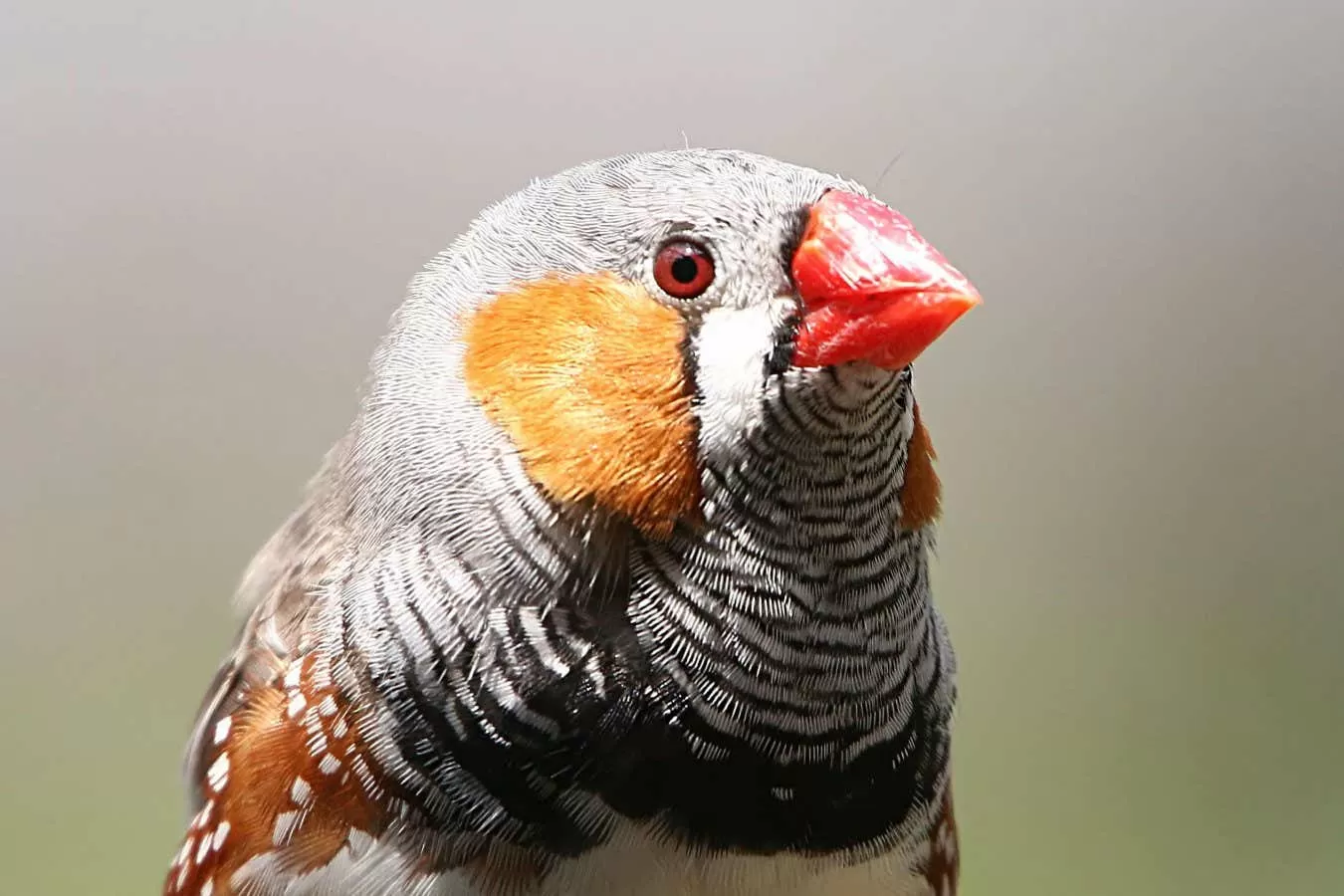
Birds are known for their incredible vision, allowing them to navigate through the sky and spot prey from great distances. But have you ever wondered how their eyes are able to function at such high levels? The answer lies in their unique light-sensitive tissue, which is not supplied with oxygen by blood vessels like in most animals. Instead, it powers itself with a flood of sugar, providing a fascinating insight into the evolutionary adaptations of these feathered creatures.
The light-sensitive tissue, also known as the retina, is responsible for converting light into electrical signals that are then sent to the brain for processing. In most animals, this tissue is supplied with oxygen by blood vessels, which is essential for its proper functioning. However, in birds, the retina is not connected to any blood vessels, making it an exception in the animal kingdom.
So how do birds manage to keep their retinas functioning without a constant supply of oxygen? The answer lies in their unique ability to produce large amounts of sugar, specifically glucose, which acts as a source of energy for the retina. This process, known as glycolysis, allows the retina to generate enough energy to function without the need for oxygen.
This evolutionary adaptation has several benefits for birds. Firstly, it allows them to have a higher metabolic rate, which is essential for their active lifestyle. Birds are constantly on the move, whether it’s flying, foraging, or hunting, and their high metabolic rate ensures that they have enough energy to sustain these activities. By powering their retinas with sugar, birds are able to maintain their high metabolic rate without the need for a constant supply of oxygen.
Moreover, this unique adaptation also allows birds to have a sharper and more efficient vision. The retina of birds is packed with photoreceptor cells, which are responsible for detecting light. By powering these cells with sugar, birds are able to have a more rapid response to light, allowing them to see with greater clarity and precision. This is especially beneficial for birds of prey, who need to spot their prey from great distances and make quick and accurate decisions.
But how did this unique adaptation come about? Scientists believe that it may have evolved as a response to the high altitude and low oxygen levels that birds experience during flight. As birds fly at high altitudes, the air becomes thinner, making it difficult for them to get enough oxygen. By powering their retinas with sugar, birds are able to overcome this challenge and maintain their sharp vision even at high altitudes.
This adaptation has also allowed birds to thrive in various environments, including those with low oxygen levels. For example, birds that live in high-altitude regions, such as the Andean condor, have evolved to have even higher levels of glucose in their retinas, allowing them to survive in these extreme conditions. This shows the incredible adaptability of birds and their ability to thrive in diverse environments.
In addition to its evolutionary benefits, this unique adaptation has also sparked the interest of scientists and researchers. By studying the retina of birds, scientists hope to gain a better understanding of how this process works and how it can be applied in other areas. For example, this research could potentially lead to the development of new treatments for retinal diseases in humans, where the supply of oxygen to the retina is compromised.
In conclusion, the light-sensitive tissue of birds’ eyes is a remarkable example of evolutionary adaptation. By powering itself with a flood of sugar, birds are able to maintain their high metabolic rate and have a sharper and more efficient vision. This unique adaptation has allowed birds to thrive in diverse environments and has sparked the interest of scientists worldwide. It serves as a reminder of the incredible capabilities of these feathered creatures and their ability to adapt and evolve in order to survive.
