
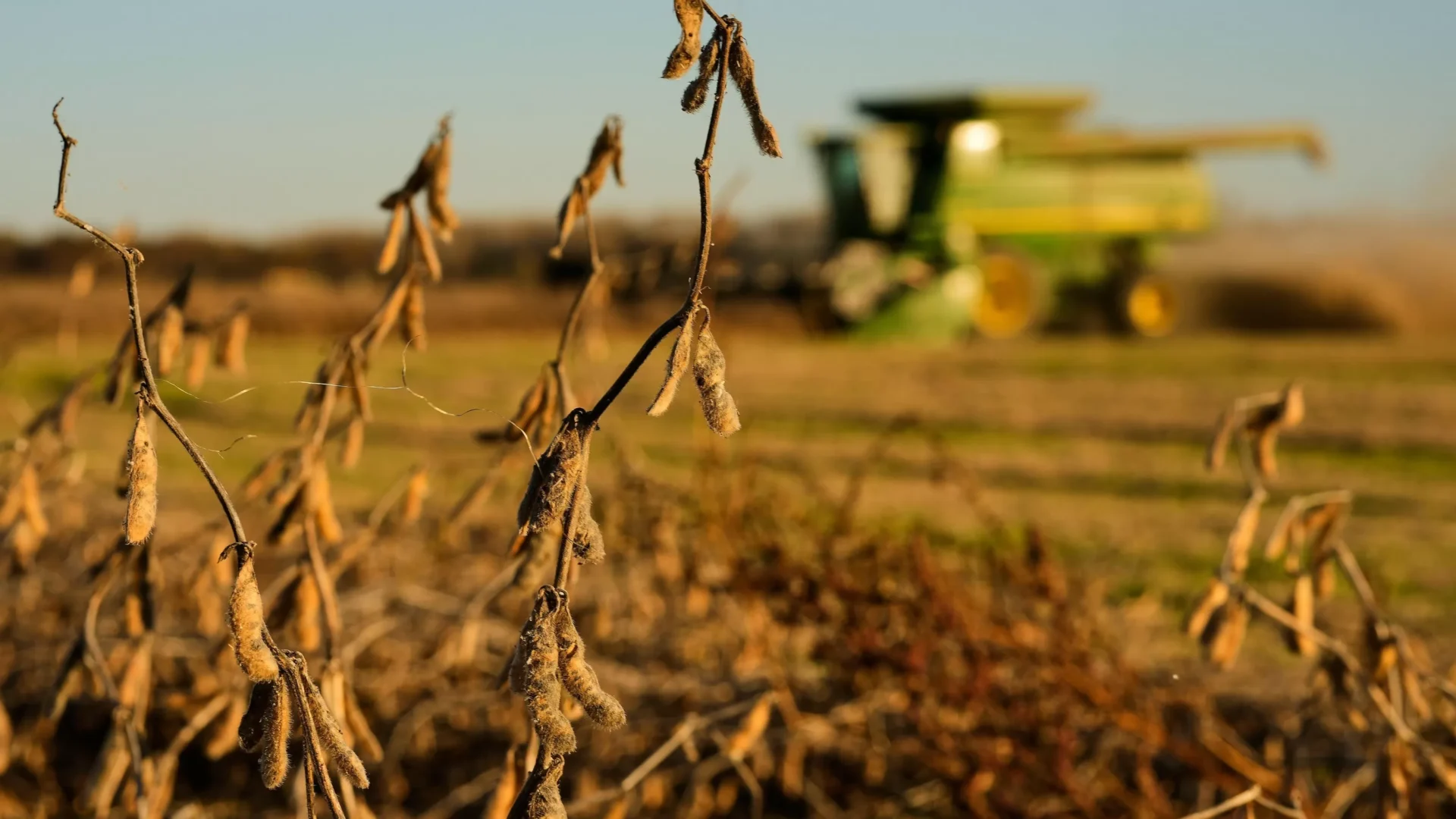
The Trump administration has recently announced that China has fulfilled its initial commitment to purchase 12 million metric tons of soybeans, as part of the trade agreement signed in October. This news has been met with cautious optimism, as many are questioning whether the agreement can withstand President Donald Trump’s ever-shifting trade policy.
The trade agreement between the United States and China was seen as a major breakthrough in the ongoing trade war between the two countries. It was hailed as a win for American farmers, who have been struggling due to the tariffs imposed by China on US agricultural products. The agreement included a commitment from China to purchase 12 million metric tons of soybeans, a major crop for American farmers.
The recent announcement by the Trump administration that China has fulfilled its initial commitment is certainly a positive development. It shows that China is willing to follow through on its promises and that the trade agreement is moving in the right direction. However, there are still concerns about the long-term sustainability of the agreement.
President Trump’s trade policy has been characterized by unpredictability and frequent changes. This has caused uncertainty and instability in the global market, making it difficult for businesses to plan and invest. The trade agreement with China is no exception to this pattern. Just last month, President Trump threatened to increase tariffs on Chinese goods, causing concern that the trade agreement could be in jeopardy.
The question now is whether the trade agreement can withstand President Trump’s ever-shifting trade policy. The answer to this question is not clear, but there are reasons to remain optimistic. Firstly, China has shown a willingness to fulfill its commitments under the agreement. This is a positive sign and shows that China is serious about resolving the trade dispute with the US.
Secondly, the trade agreement is not just about soybeans. It also includes commitments from China to purchase other agricultural products, such as pork and corn, as well as energy and manufactured goods. This diversification of products reduces the risk of the agreement being derailed by any potential changes in the trade policy.
Moreover, the trade agreement also includes provisions for dispute resolution, which could help to address any issues that may arise in the future. This shows that both countries are committed to finding a long-term solution to the trade dispute and are willing to work together to resolve any conflicts that may arise.
It is also worth noting that the trade agreement is just the first phase of a larger deal between the US and China. This means that there is still room for further negotiations and adjustments to be made in the future. This flexibility could prove to be crucial in ensuring the sustainability of the agreement.
In addition, the trade agreement has already had a positive impact on the US agricultural sector. The commitment from China to purchase soybeans has led to an increase in demand and prices for American farmers. This has provided much-needed relief to the struggling agricultural industry and has boosted the confidence of farmers across the country.
In conclusion, the recent announcement that China has fulfilled its initial commitment to purchase 12 million metric tons of soybeans is a positive development in the ongoing trade war between the US and China. While there are concerns about the long-term sustainability of the trade agreement, there are also reasons to remain optimistic. The commitment shown by China, the diversification of products, provisions for dispute resolution, and the potential for further negotiations all point towards a promising future for the trade agreement. It is now up to both countries to continue working together to ensure the success of the agreement and bring an end to the trade dispute.
