
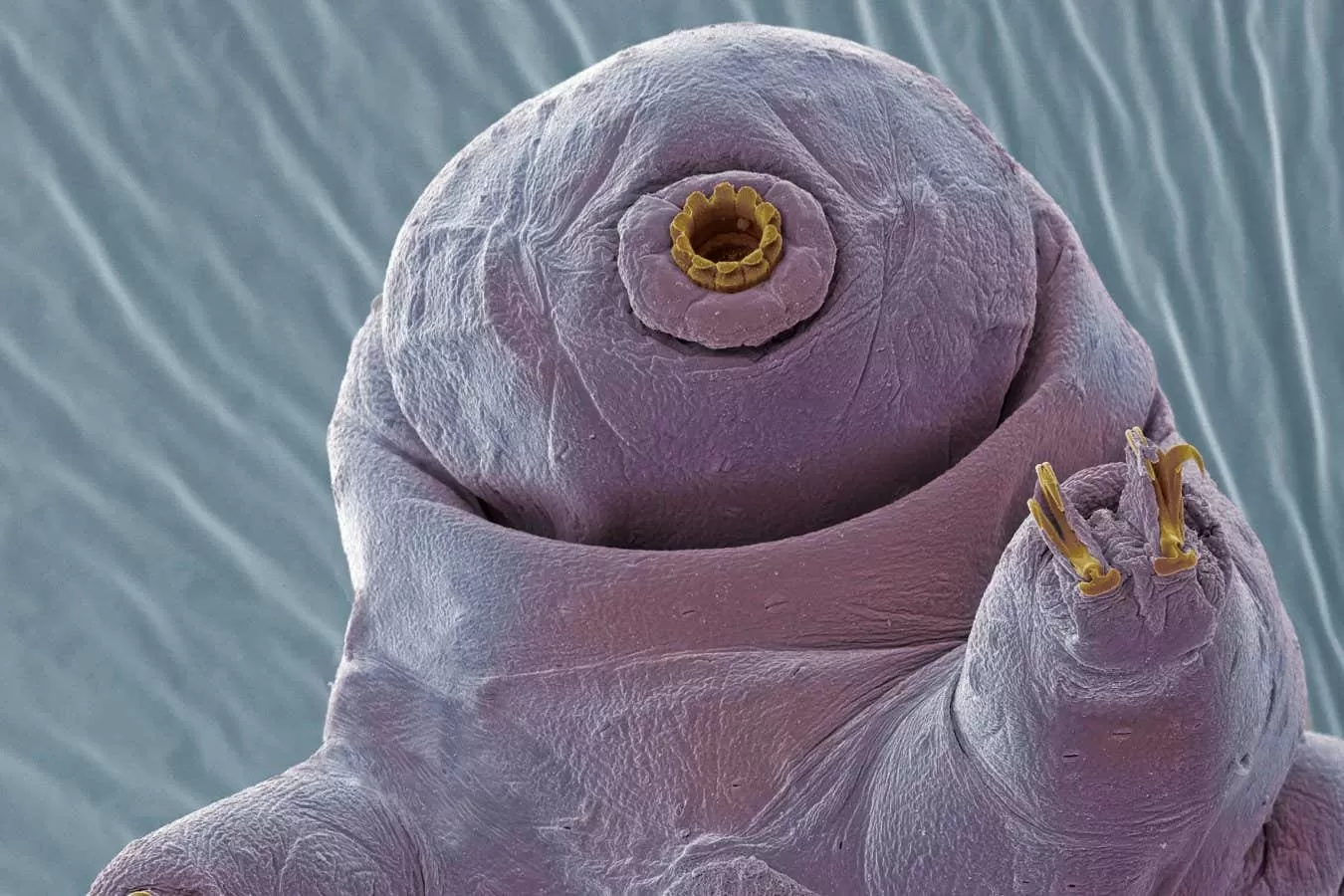
Tardigrades, also known as water bears, are tiny creatures that have captured the fascination of scientists and the general public alike. These microscopic animals have the remarkable ability to survive extreme conditions that would be deadly to most other living organisms. They can withstand extreme temperatures, pressure, and even radiation. This ability has been attributed to a protein called Dsup (Damage suppressor), which protects the tardigrade’s DNA from radiation and mutagenic chemicals. However, recent research has revealed that this protein, once thought to be harmless, can actually have major downsides.
For years, scientists have been studying the unique abilities of tardigrades, trying to understand how they can survive in such harsh environments. One of the most intriguing discoveries was the presence of Dsup in their cells. This protein was found to be responsible for protecting the tardigrade’s DNA from the damaging effects of radiation and mutagenic chemicals. It was hailed as a superhero protein, capable of withstanding even the most extreme conditions.
But a recent study by researchers at the University of Tokyo has shed new light on the role of Dsup in tardigrades. The study found that while Dsup does protect the tardigrade’s DNA, it also has some major downsides. The researchers discovered that Dsup can actually interfere with the repair process of DNA damage caused by radiation and mutagenic chemicals. This means that while Dsup may protect the tardigrade’s DNA from being damaged, it can also prevent the DNA from being repaired, leading to potential mutations and other harmful effects.
This finding has raised concerns among scientists about the long-term effects of Dsup on tardigrades. While it may help them survive in extreme conditions, it could also have negative consequences in the long run. The study also raises questions about the potential impact of Dsup on other organisms, including humans. As more and more research is being conducted on tardigrades, it is becoming clear that this seemingly harmless protein may not be as beneficial as once thought.
However, this discovery does not diminish the incredible abilities of tardigrades. They are still one of the most resilient creatures on Earth, capable of surviving in conditions that would be deadly to most other living organisms. The discovery of Dsup’s potential downsides only adds to the mystery and wonder surrounding these tiny creatures.
Moreover, this finding also highlights the importance of further research on tardigrades and their unique abilities. As we continue to explore and understand these creatures, we may uncover even more surprising and valuable information. Who knows, we may even find ways to harness their abilities for the benefit of humanity.
In conclusion, the protein Dsup, which was once thought to be a harmless superhero, has been found to have major downsides. While it may protect tardigrades from radiation and mutagenic chemicals, it can also interfere with the repair process of DNA damage. This discovery has raised concerns about the long-term effects of Dsup and the potential impact on other organisms. However, it also highlights the need for further research on tardigrades and their incredible abilities. These tiny creatures continue to fascinate and amaze us, and we can only imagine what other secrets they hold.
