
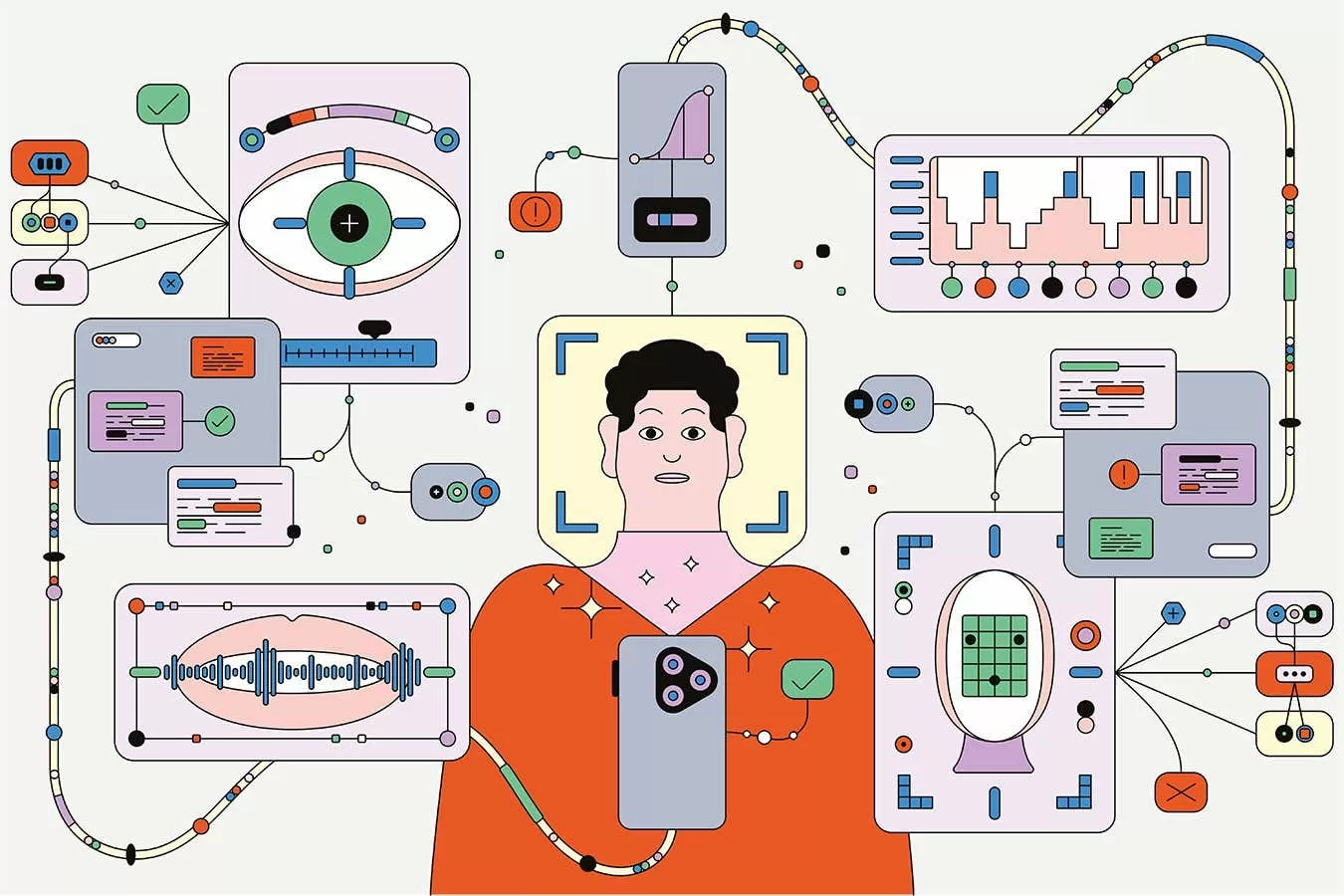
For decades, mental health professionals have been searching for clear biomarkers that can help identify and diagnose anxiety and depression. These debilitating disorders affect millions of people worldwide and can have a significant impact on their daily lives. However, with advances in research and technology, the long-awaited breakthrough in this area is finally here.
Anxiety and depression are two of the most common mental health disorders, affecting approximately 284 million people globally. These disorders not only cause emotional distress but can also lead to physical symptoms such as headaches, muscle tension, and fatigue. Despite their prevalence and impact, diagnosing these disorders has always been challenging as they are primarily based on self-reported symptoms and clinical assessments.
The lack of objective biomarkers, such as blood tests or brain scans, has been a major hurdle in accurately diagnosing anxiety and depression. This has often led to misdiagnosis, delayed treatment, and a significant burden on healthcare systems. However, in recent years, there has been a growing interest in identifying reliable biomarkers that can aid in the diagnosis and treatment of these disorders.
Thanks to advancements in brain imaging techniques, researchers have been able to identify specific brain regions and neural pathways that are involved in anxiety and depression. These findings have been crucial in developing imaging-based biomarkers, which can provide objective evidence of these disorders. For instance, functional magnetic resonance imaging (fMRI) has been used to measure brain activity in response to various stimuli, and studies have shown distinct patterns of brain activity in individuals with anxiety and depression.
Another promising area of research is the use of genetics to identify biomarkers for anxiety and depression. Studies have found that certain genetic variations may increase an individual’s risk of developing these disorders. By analyzing these genetic markers, researchers can potentially develop a genetic test that can help identify individuals who are at a higher risk of developing anxiety and depression.
In addition to brain imaging and genetics, researchers are also looking at other potential biomarkers, such as changes in hormone levels, immune system function, and inflammation markers. While these biomarkers are still in the early stages of research, they show great promise in providing objective evidence of anxiety and depression.
The identification of clear biomarkers for anxiety and depression has not only been beneficial for diagnosing these disorders, but it has also led to significant advancements in treatment. With biomarkers, healthcare professionals can now personalize treatment plans for individuals based on their specific biomarker profile. This can lead to more effective and targeted treatment approaches, resulting in better outcomes for patients.
Moreover, the development of biomarkers has also opened up new avenues for developing novel therapies for anxiety and depression. By targeting specific biomarkers, researchers can develop treatments that directly address the underlying biological mechanisms of these disorders. This could potentially lead to more efficient and lasting outcomes for individuals struggling with anxiety and depression.
The progress in identifying biomarkers for anxiety and depression has also been crucial in reducing the stigma associated with mental health disorders. By providing objective evidence of these disorders, it helps validate the experiences of individuals and raises awareness about the biological basis of these conditions. This, in turn, can encourage more people to seek help and reduce the negative attitudes towards mental health.
In conclusion, after years of research and efforts, the long-awaited breakthrough in identifying clear biomarkers for anxiety and depression is finally here. With advancements in brain imaging, genetics, and other areas of research, we are now closer than ever to having reliable, objective evidence for these disorders. This not only improves the accuracy of diagnosis and treatment but also has a significant impact on reducing the stigma associated with mental health. The future looks bright for individuals struggling with anxiety and depression, and it’s all thanks to the relentless efforts of researchers and healthcare professionals in this field.
