
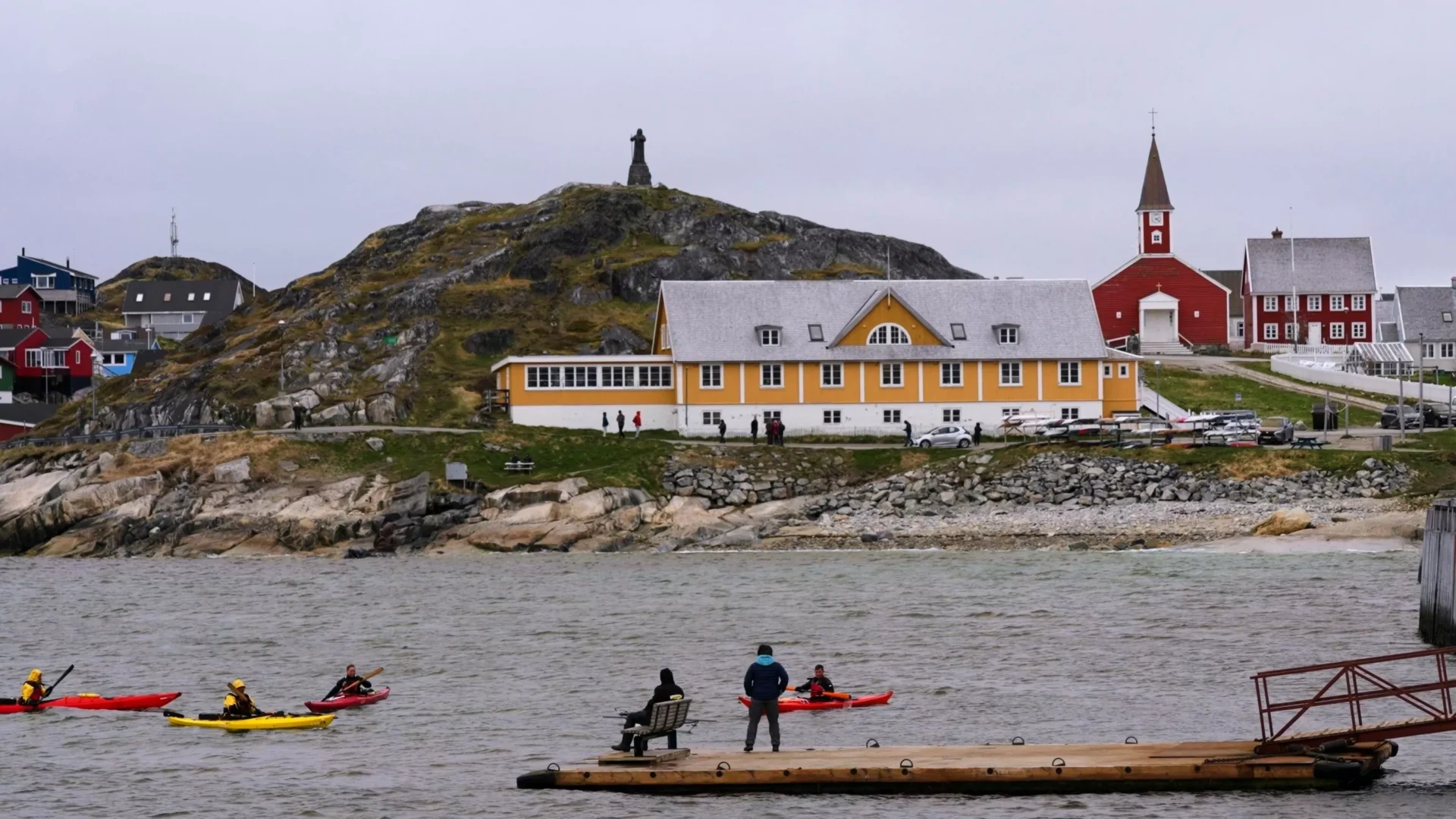
Greenland, the world’s largest island, is known for its stunning landscapes and harsh environment. However, this same environment, along with other challenges such as lack of key infrastructure and difficult geology, has prevented anyone from building a mine to extract the highly sought-after rare earth elements found in the country. As a result, Greenland has remained largely untapped in terms of its mineral resources, leaving many wondering why such a valuable opportunity has not been seized.
Rare earth elements, a group of 17 minerals used in various high-tech products, have become increasingly important in today’s society. From smartphones and laptops to wind turbines and electric cars, these elements play a crucial role in the manufacturing of many modern technologies. With demand for these elements only expected to rise in the coming years, countries around the world are looking for ways to secure a steady supply. And Greenland, with its estimated deposits of rare earth elements, seems like a logical choice. So why hasn’t anyone built a mine there yet?
One of the main reasons is the harsh environment of Greenland. The country’s frigid temperatures, strong winds, and thick ice make it a challenging place to operate. Building and maintaining a mine in such conditions would not only be difficult, but also extremely expensive. In addition, the remote location of Greenland, with its vast expanses of uninhabited land, adds to the logistical challenges of transporting equipment and supplies to and from the mine site.
Moreover, Greenland lacks the necessary infrastructure to support large-scale mining operations. The country has a small population of just over 56,000 people and limited transportation options, which makes it difficult to develop the necessary roads, ports, and power supply needed for a mine. Without these key infrastructure, it is simply not feasible to build a mine in Greenland.
Another major hurdle is the difficult geology of Greenland. The country’s complex and rugged terrain, including high mountains and deep fjords, presents significant challenges for exploration and extraction. In addition, the presence of thick layers of ice and permafrost makes it even more challenging to access and extract the rare earth elements. This has deterred many mining companies from investing in Greenland, as the costs and risks associated with developing a mine in such geologically challenging conditions are considerable.
Despite these challenges, there is still hope for Greenland’s potential as a rare earth element producer. In recent years, the government of Greenland has taken steps to attract foreign investments and develop its mining sector. In 2014, the country passed a new mining law that opened up opportunities for foreign companies to explore and extract minerals, including rare earth elements. This has led to increased interest from mining companies, with several already conducting exploration activities in Greenland.
In addition, the government has also announced plans to develop infrastructure projects, such as a deep-water port, to support the mining industry. This would not only make it easier to transport equipment and supplies, but also provide job opportunities for the local population.
Furthermore, Greenland’s strategic location between North America and Europe makes it a potential hub for rare earth element production. With the increasing demand for these elements, establishing a mine in Greenland could provide a secure supply for both regions and reduce reliance on countries like China, which currently produces the majority of the world’s rare earth elements.
In conclusion, while Greenland’s harsh environment, lack of key infrastructure, and difficult geology have prevented anyone from building a mine to extract rare earth elements, the country’s potential as a mineral resource producer cannot be ignored. With the right investments, technology, and support from the government, Greenland could become a major player in the rare earth element market. It is time for the world to recognize the untapped potential of this Arctic nation and work towards unlocking its valuable mineral resources for the benefit of all.
