
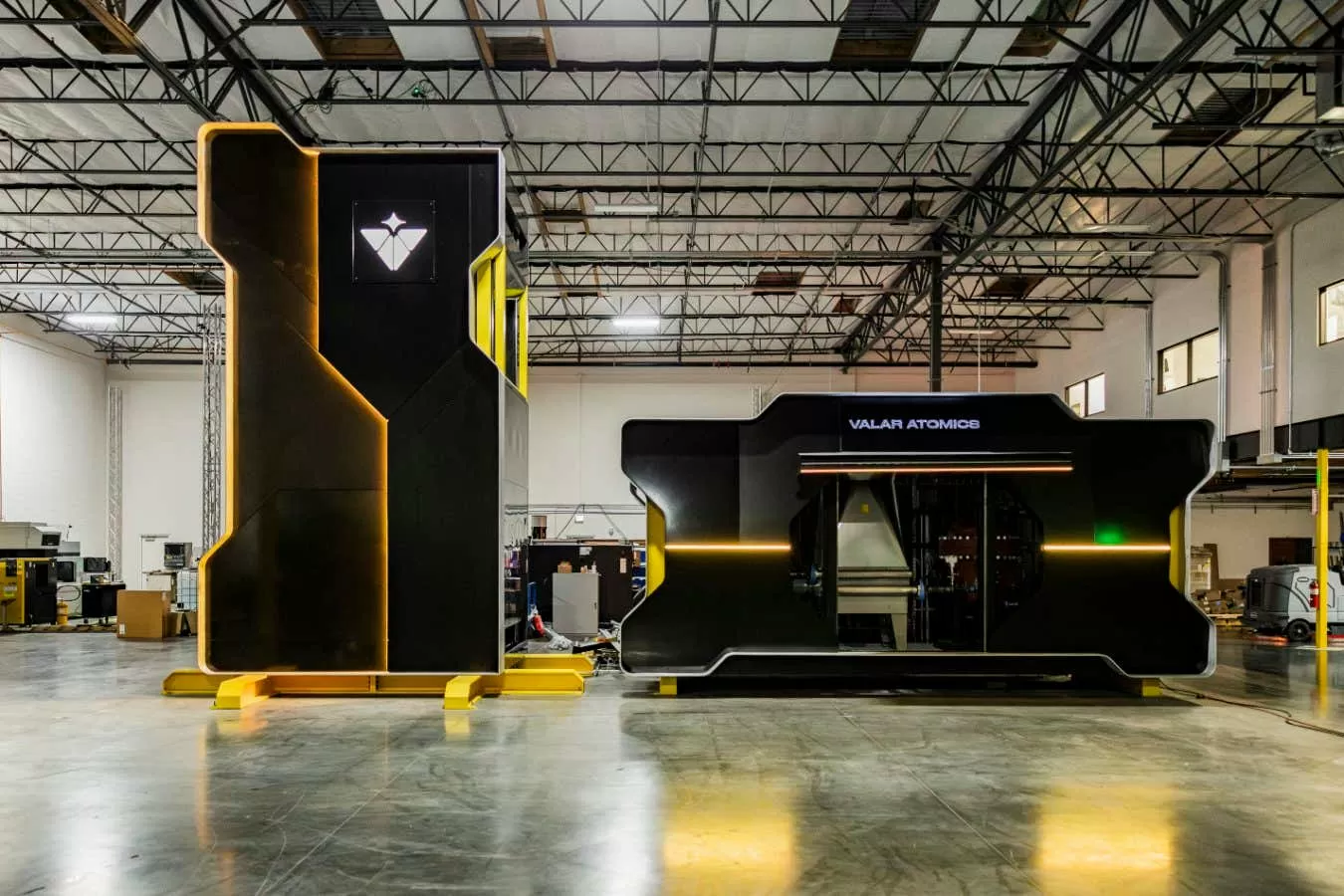
Eleven companies are joining forces to achieve an ambitious goal set by the US Department of Energy (DOE) – to fast-track the development of advanced nuclear reactor technologies. This initiative is a significant step towards a cleaner and more sustainable future, and these companies are at the forefront of this crucial mission.
The DOE’s Advanced Reactor Demonstration Program (ARDP) aims to accelerate the deployment of advanced nuclear reactors in the United States by 2025. This program will provide funding and technical support to these eleven companies, enabling them to demonstrate their innovative nuclear technologies and bring them to the market.
The companies selected for this program represent a diverse group of industry leaders, including established nuclear companies, start-ups, and universities. Each of these companies has a unique approach to developing advanced nuclear reactors, and together they form a powerful coalition that will drive progress in this field.
One of the companies involved in this program is TerraPower, founded by Bill Gates. TerraPower’s advanced reactor design, the Natrium, uses liquid sodium as a coolant, making it more efficient and safer than traditional reactors. Another participant, X-energy, is developing a high-temperature gas-cooled reactor that can produce both electricity and hydrogen, a clean fuel for transportation and industry.
Other companies in the program include General Atomics, Westinghouse Electric Company, and GE Hitachi Nuclear Energy. Each of these companies brings its expertise and innovative ideas to the table, making this collaboration a powerhouse of nuclear technology development.
The ARDP is a crucial part of the DOE’s strategy to revitalize the nuclear industry in the United States. Nuclear power has long been a reliable and low-carbon source of energy, but the industry has faced challenges in recent years. This program aims to change that by supporting the development of advanced reactors that are safer, more efficient, and more cost-effective.
The benefits of advanced nuclear reactors go beyond just clean energy production. These reactors can also be used for other applications, such as producing medical isotopes for cancer treatment and desalinating seawater for drinking. This versatility makes them an even more valuable asset in the fight against climate change and the pursuit of a sustainable future.
The DOE’s commitment to fast-track the development of advanced nuclear reactors is a significant step towards achieving its goal of net-zero carbon emissions by 2050. These reactors have the potential to play a crucial role in reducing greenhouse gas emissions and meeting the growing demand for clean energy.
Moreover, this program will also create new job opportunities and boost the economy. The advanced nuclear industry has the potential to create thousands of high-paying jobs in engineering, construction, and other related fields. This will not only benefit the companies involved but also the communities where these reactors will be built.
The ARDP is a testament to the DOE’s dedication to promoting innovation and collaboration in the nuclear industry. By bringing together these eleven companies, the program is fostering a culture of cooperation and knowledge-sharing that will benefit the entire industry.
In conclusion, the DOE’s Advanced Reactor Demonstration Program is a game-changer for the nuclear industry in the United States. With the support of the government, these eleven companies are working towards a common goal – to develop advanced nuclear reactors that will provide clean, reliable, and versatile energy for generations to come. This initiative is a shining example of what can be achieved when government and industry come together to tackle the most pressing challenges of our time. Let us all look forward to a brighter and more sustainable future powered by advanced nuclear technology.
