
Should AI Artists Be Allowed to Chart Alongside Human Artists?
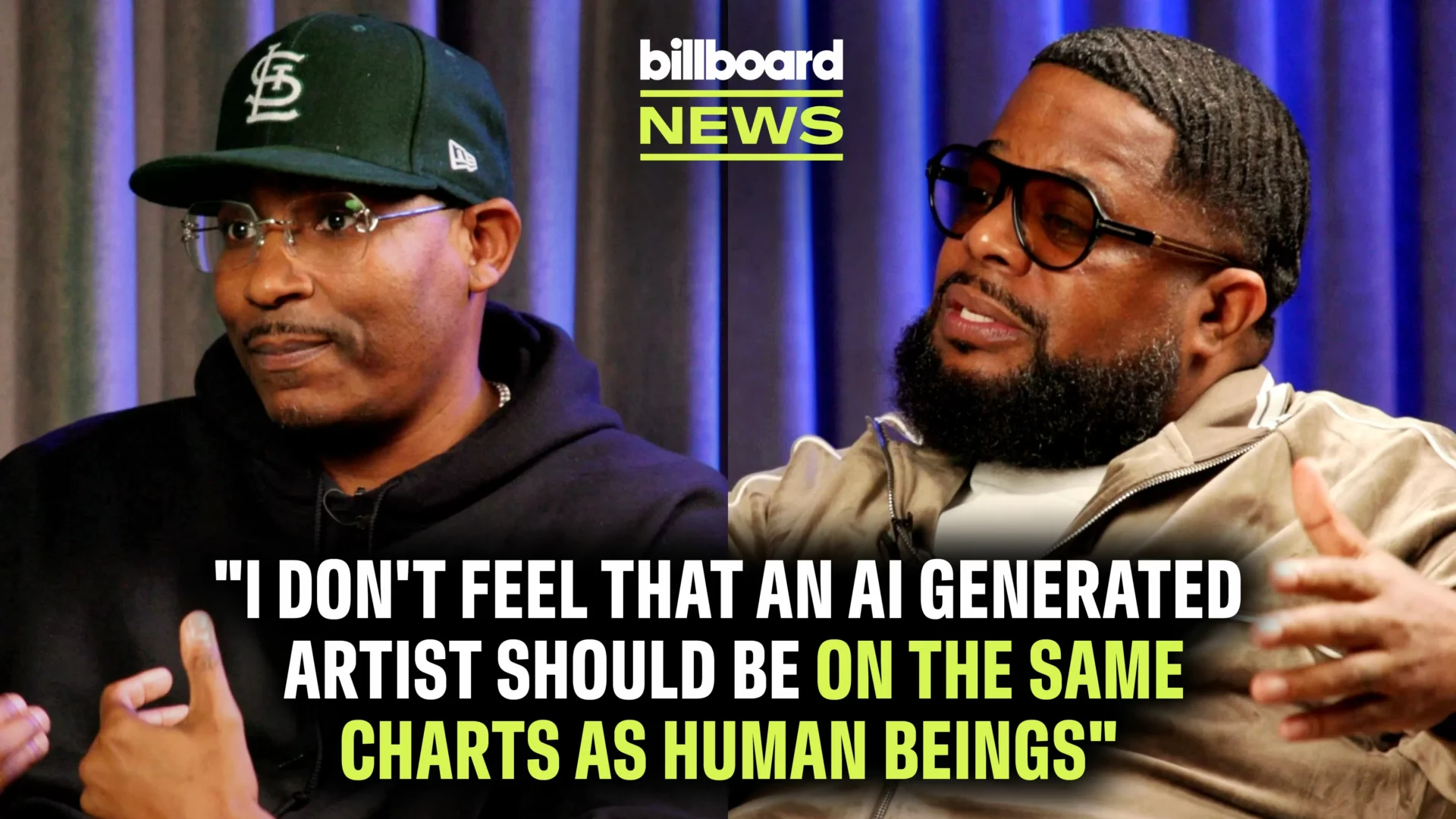
In the ever-evolving landscape of the music industry, a new question has emerged: should AI-generated artists be allowed to chart alongside human artists? This debate has sparked heated discussions and divided opinions among music professionals and fans alike. On one side, we have Romel Murphy, manager of rising star Xania Monet, who believes that AI artists have a place in the music industry. On the other side, we have the Prophet, CEO of the Black Music Action Coalition, who argues that AI-generated artists do not belong on the same charts as human artists. In this article, we will explore both perspectives and delve into the implications of allowing AI artists to chart alongside human artists.
First, let’s define what we mean by AI artists. These are artists whose music is created using artificial intelligence technology, without any human involvement in the creative process. This technology uses algorithms and data to generate music that mimics human composition and performance. Some notable examples of AI artists include Amper Music, OpenAI’s MuseNet, and the virtual pop star Hatsune Miku.
Romel Murphy, who manages Xania Monet, a rising R&B singer, believes that AI artists should be allowed to chart alongside human artists. He argues that music is constantly evolving, and AI technology is just another form of evolution. “Just like how we have seen the rise of electronic music and auto-tune, AI-generated music is the next step in the evolution of music,” says Murphy. He also believes that AI artists bring something new and unique to the table, and their music should be recognized and appreciated.
On the other hand, the Prophet, CEO of the Black Music Action Coalition, strongly opposes the idea of AI artists charting alongside human artists. He argues that music is a form of expression and emotion, and AI-generated music lacks the soul and authenticity that human artists bring to their music. “Music is a reflection of our culture and experiences, and AI-generated music cannot replicate that,” says the Prophet. He also raises concerns about the impact of AI artists on the music industry, particularly on human artists who may struggle to compete with the efficiency and cost-effectiveness of AI-generated music.
One of the main arguments in favor of AI artists is that they bring something new and innovative to the music industry. With AI technology, artists can experiment with different sounds and styles that may not have been possible before. This can lead to the creation of unique and groundbreaking music that pushes the boundaries of traditional music genres. Additionally, AI artists can also collaborate with human artists, bringing a new dynamic to the creative process.
However, the Prophet argues that AI-generated music lacks the emotional depth and connection that human artists bring to their music. Music is a form of storytelling, and AI-generated music cannot replicate the personal experiences and emotions that human artists pour into their music. This raises the question of whether AI-generated music can truly be considered art.
Another concern raised by the Prophet is the impact of AI artists on the music industry. With the rise of AI technology, there is a fear that human artists may become obsolete, as AI-generated music can be produced faster and at a lower cost. This could lead to a decline in the value and appreciation of human artists and their work. The Prophet also raises concerns about the diversity and representation in the music industry, as AI technology may not be able to accurately capture the experiences and perspectives of marginalized communities.
In conclusion, the debate on whether AI artists should be allowed to chart alongside human artists is a complex and multifaceted one. Both sides bring valid arguments, and it is clear that this is a topic that requires further discussion and consideration. While AI technology has the potential to bring something new and innovative to the music industry, we must also consider the impact it may have on human artists and the authenticity of music as an art form. Ultimately, the decision on whether AI artists should be allowed to chart alongside human artists should be made with careful consideration and a deep understanding of the implications for the music industry as a whole.
