
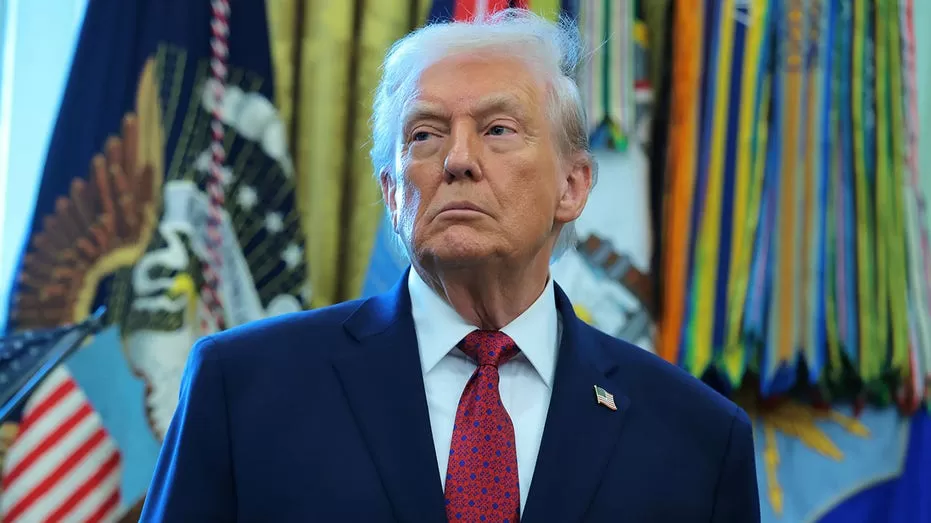
In recent years, the use of the filibuster in the United States Senate has become a hotly debated topic. This longstanding procedural safeguard, which allows a minority of senators to block legislation through extended debate, has been a key tool for both Democrats and Republicans to advance their agendas. However, with the current political climate and the constant calls from President Donald Trump to “knock out” the filibuster, some Senate Republicans are beginning to shift their position on this controversial issue.
For years, the filibuster has been seen as a necessary check on the majority’s power in the Senate. It has been used by both parties to block legislation they oppose and to force compromise and bipartisanship. However, in recent years, the use of the filibuster has become increasingly frequent and has been used as a tool for obstruction rather than compromise. This has led to frustration and gridlock in the Senate, making it difficult for any legislation to pass.
President Trump has been a vocal critic of the filibuster, calling for its elimination in order to push through his agenda. In a recent tweet, he urged Senate Republicans to “knock out” the filibuster and accused Democrats of using it as a weapon against his administration. This call from the President has sparked a new debate among Senate Republicans, with some beginning to question the effectiveness and necessity of the filibuster.
One of the key voices in this shift is Senator Lindsey Graham, a staunch supporter of the filibuster in the past. In a recent interview, Senator Graham stated that he is open to considering changes to the filibuster rules, citing the need for the Senate to be able to function and pass legislation. He also expressed concern that the constant use of the filibuster is hindering the Senate’s ability to address important issues facing the country.
Senator Todd Young, another Republican who has previously defended the filibuster, has also expressed a willingness to consider changes. In a statement, he acknowledged that the current use of the filibuster is not in line with its original purpose and that it may need to be reformed in order to promote bipartisanship and compromise.
This shift in position among Senate Republicans is significant and could have major implications for the future of the filibuster. With the Republicans holding a slim majority in the Senate, any changes to the filibuster rules would require their support. This newfound openness to reform from key Republican senators could pave the way for potential changes in the near future.
However, not all Republicans are on board with this shift. Senate Majority Leader Mitch McConnell has been a staunch defender of the filibuster and has repeatedly stated that he has no intention of changing the rules. He argues that the filibuster is a crucial tool for protecting the rights of the minority and that eliminating it would lead to a “nuclear winter” in the Senate.
Despite this opposition, the fact that some Senate Republicans are beginning to question the effectiveness of the filibuster is a positive development. It shows a willingness to put aside party politics and work towards finding solutions to the issues facing our country. It also reflects a growing frustration with the current state of the Senate and a desire to see it function more effectively.
In the end, the debate over the filibuster is far from over. It will require careful consideration and bipartisan cooperation to find a solution that works for all parties involved. But the fact that some Senate Republicans are beginning to shift their position on this issue is a step in the right direction. It is a sign that change is possible and that the Senate can move towards a more productive and functional future.
