
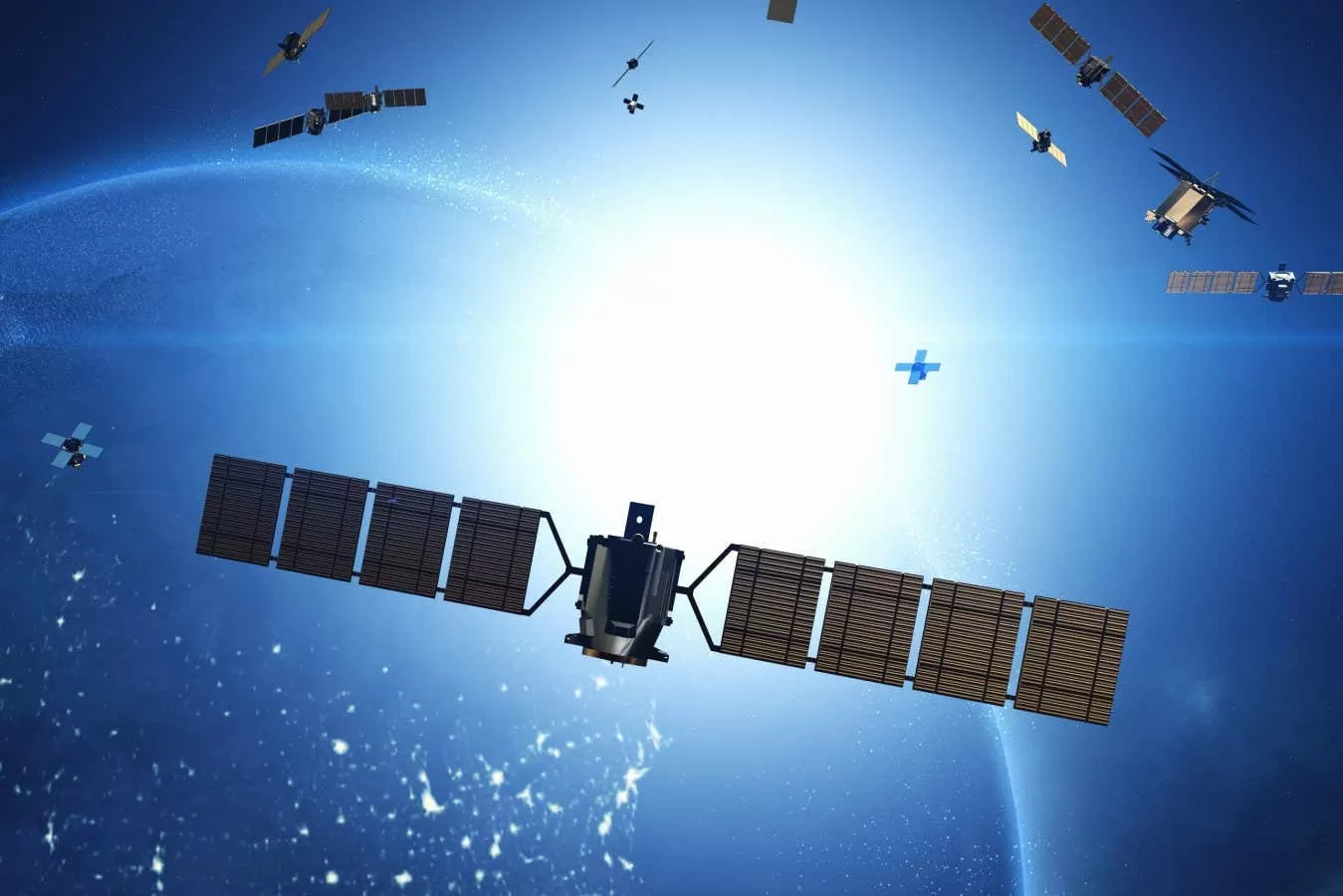
Satellites in orbit have become an integral part of our daily lives, providing us with crucial services such as communication, weather forecasting, navigation, and surveillance. These man-made objects, floating thousands of miles above the Earth’s surface, are constantly working to keep us connected and informed. However, what happens if these satellites lose their ability to manoeuvre? The consequences could be catastrophic, as satellites would begin to collide in a matter of days, causing a major disruption in our communication and navigation systems.
The possibility of a solar storm or other outage affecting satellite manoeuvrability is a serious concern for space agencies and satellite operators. A solar storm is a burst of charged particles from the Sun that can interfere with the Earth’s magnetic field and cause disruptions in the functioning of satellites. In recent years, there have been several instances where solar storms have caused temporary outages in satellite communication and navigation systems. While these outages have been short-lived, they serve as a reminder of the potential damage that a major solar storm can cause.
If a solar storm or other outage were to occur, satellites in orbit would be at risk of losing their manoeuvrability. This means they would not be able to adjust their position in space, which is crucial for avoiding collisions with other satellites or space debris. Without manoeuvrability, satellites would remain in their designated orbit and continue to circle the Earth, increasing the chances of collisions occurring.
The consequences of satellite collisions in orbit are far-reaching and could have a significant impact on our daily lives. In addition to damaging or destroying the satellites involved, these collisions could also create a cascade effect, where debris from the collision could collide with other satellites, resulting in a chain reaction of collisions. This chain reaction, known as the Kessler Syndrome, could potentially render entire orbits unusable, making it difficult for new satellites to be launched and causing a major setback in our technological advancements.
Furthermore, the loss of satellite manoeuvrability during a solar storm or other outage could also have serious implications for our communication and navigation systems. With satellites unable to adjust their position, they may not be able to provide accurate signals or may even go completely offline. This could disrupt communication services, such as phone calls, internet connectivity, and television broadcasting. In addition, navigation systems that rely on satellite signals, such as GPS, could also be affected, causing disruptions in transportation and logistics.
It is essential for space agencies and satellite operators to take proactive measures to mitigate the risks of satellite collisions during a solar storm or other outage. This includes implementing advanced collision avoidance techniques, such as predictive algorithms and manoeuvre planning, to ensure that satellites can safely navigate through space debris and other satellites. In addition, regular monitoring and maintenance of satellites can also help identify any potential issues before they escalate.
Another crucial step in preventing collisions is the responsible management of space debris. With millions of pieces of debris orbiting the Earth, it is essential to actively remove and dispose of any defunct satellites or debris to reduce the risk of collisions. This requires international cooperation and coordination among space agencies to track and manage space debris effectively.
In conclusion, satellites in orbit play a vital role in our daily lives, and the potential loss of manoeuvrability during a solar storm or other outage is a significant concern. The consequences of satellite collisions could have a far-reaching impact on our communication and navigation systems, as well as our technological advancements. It is crucial for all stakeholders involved to take proactive measures to prevent such collisions and ensure the continued functioning of our satellites in orbit. By working together and implementing advanced techniques, we can overcome this challenge and continue to benefit from the services provided by satellites.
