
The world is at a critical turning point in the fight against climate change. As we continue to see the devastating effects of carbon emissions on our planet, there is hope on the horizon. The world’s biggest emitter of carbon dioxide, China, is on the cusp of a turning point that could signal the beginning of a global decline in fossil fuel use.
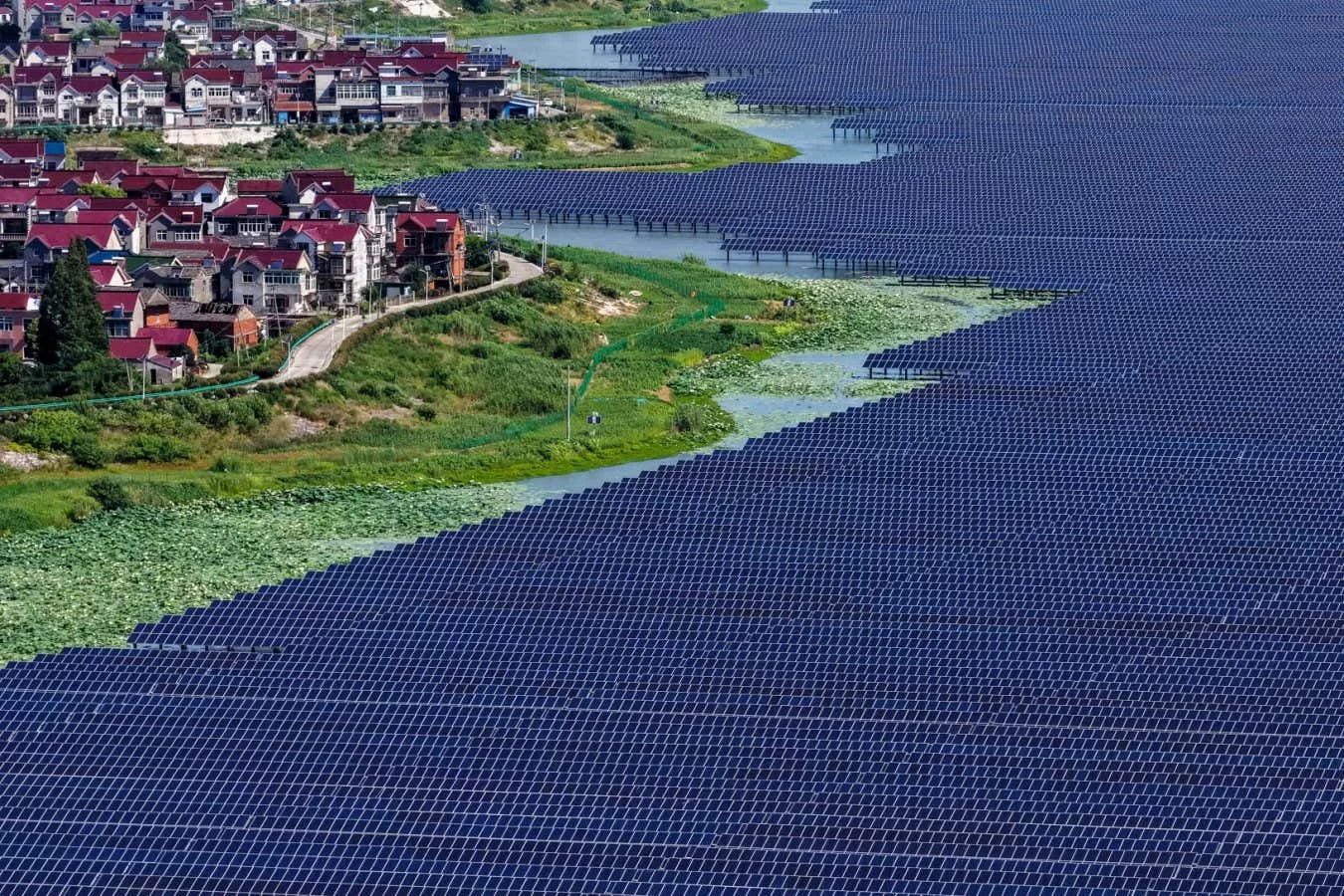
For years, China has been known as the world’s largest producer and consumer of coal, oil, and natural gas, leading to a staggering amount of carbon emissions. However, the country has also made significant strides in renewable energy, becoming the world’s top producer of solar panels and wind turbines. This has given hope to many that China is ready to take a bold step towards reducing its carbon footprint.
Recently, China announced its plans to achieve carbon neutrality by 2060, which means that the country will balance its carbon emissions with carbon removal. This ambitious goal is a major step forward in the global fight against climate change and has the potential to inspire other nations to follow suit. It is a clear signal that China is committed to transitioning towards a cleaner and more sustainable future.
This commitment to carbon neutrality by China is not only a significant development for the country but also for the world. With China accounting for almost 30% of the world’s carbon dioxide emissions, its efforts towards reducing its carbon footprint will have a massive impact on global carbon emissions. It could be the beginning of a global decline in fossil fuel use, and the world desperately needs this change.
China’s transition to clean energy is not a sudden change, but rather a gradual shift that has been happening over the years. The country has invested heavily in renewable energy, and it has paid off. Today, China is the world’s largest producer of solar panels, wind turbines, and hydroelectricity. It has also made significant advancements in electric vehicles, with plans to have 25% of all its vehicles powered by alternative fuels by 2025.
Apart from investments in renewable energy, China has also implemented policies to reduce its reliance on fossil fuels. The country has set strict targets for reducing coal consumption and has been shutting down coal-fired power plants. It has also introduced a national carbon trading system, which aims to reduce carbon emissions through market mechanisms. These measures, along with the country’s plans for carbon neutrality, demonstrate China’s determination to combat climate change.
China’s commitment to carbon neutrality has been met with both praise and skepticism. Some argue that the goal is too ambitious, and the country will struggle to meet it. However, China has proven time and again that it is capable of making significant changes when it sets its mind to it. The country’s track record of reducing poverty, improving education, and transforming its economy is proof of its ability to achieve monumental goals.
China’s shift towards cleaner energy is also driven by economic factors. The country’s demand for energy continues to grow, and renewable energy offers a more affordable and sustainable solution. As the world’s biggest producer of solar panels and wind turbines, China has a competitive advantage in the renewable energy market and is seeking to capitalize on it. This transition will not only benefit the planet but also create new jobs and boost the economy.
It is clear that China’s commitment to carbon neutrality is a significant step in the right direction. However, the country cannot do it alone. The international community must come together and support China in its efforts to reduce carbon emissions. Developed countries, in particular, have a responsibility to assist and invest in developing nations to help them transition to cleaner energy sources.
In conclusion, the world’s biggest emitter of carbon dioxide, China, is on the cusp of a turning point that could lead to a global decline in fossil fuel use. Its commitment to achieving carbon neutrality by 2060 is a significant step towards a more sustainable future. It is a positive development that should inspire other nations to take action and work together in the fight against climate change. With determination and cooperation, we can make a real difference and ensure a better future for generations to come.
