
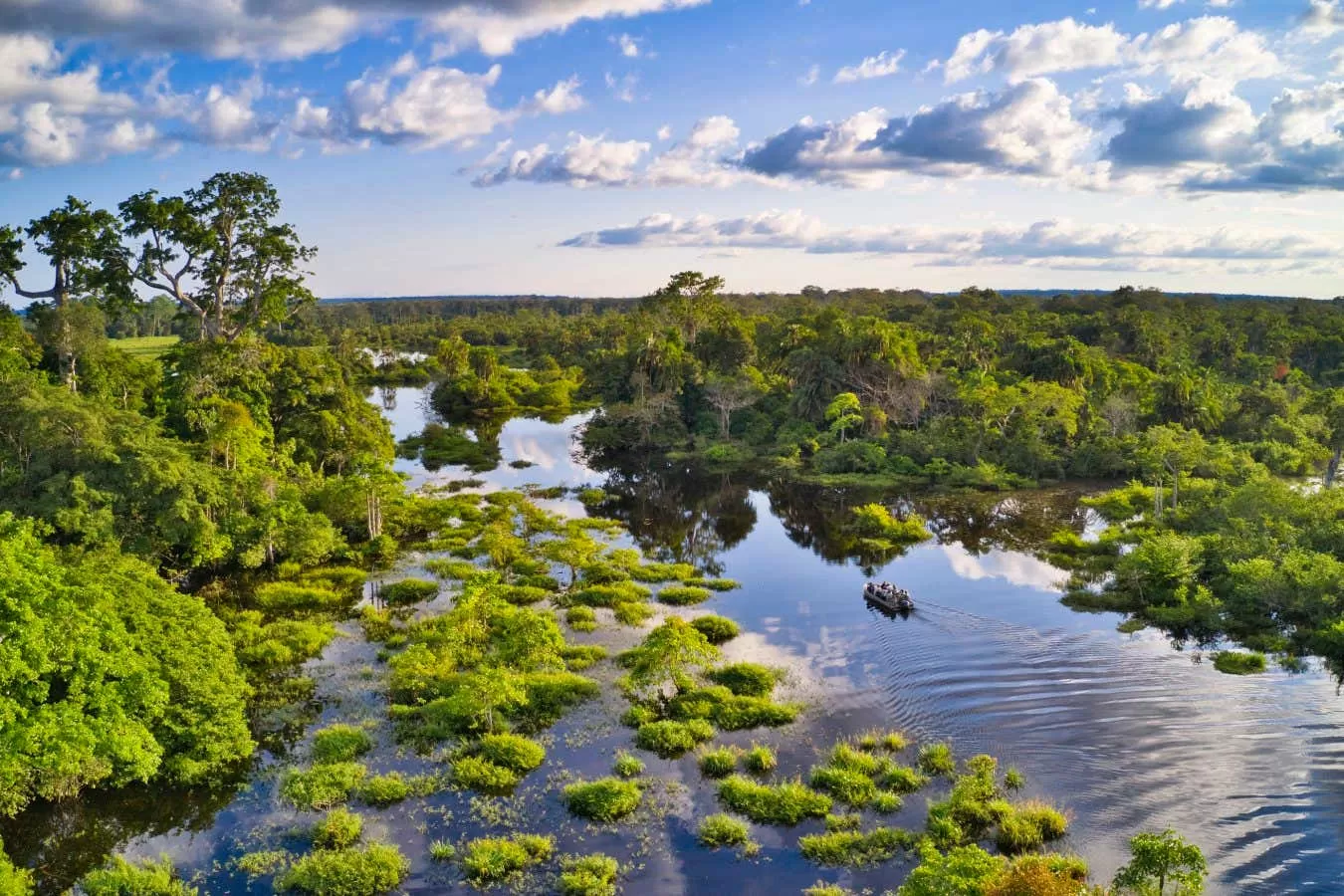
The Congo rainforest, also known as the “lungs of Africa”, is one of the most biodiverse and vital ecosystems on our planet. Spanning over 1.5 million square miles, it is home to thousands of plant and animal species, and plays a crucial role in regulating the Earth’s climate. However, in recent years, this precious rainforest has been under threat from logging and mining activities, resulting in a devastating impact on the environment. The consequences of these destructive practices have been alarming, with African forests going from being a carbon sink to a carbon source in just seven years.
Logging, the practice of cutting down trees for commercial purposes, has been a major contributor to the destruction of the Congo rainforest. The demand for timber, particularly from developed countries, has led to a rapid increase in logging activities in the region. As a result, large swathes of the rainforest have been cleared, leaving behind barren land and disrupting the delicate balance of the ecosystem. This has not only led to the loss of biodiversity, but also to the release of large amounts of carbon dioxide into the atmosphere.
Mining, on the other hand, involves the extraction of minerals and resources from the ground. The Congo rainforest is rich in minerals such as gold, diamonds, and coltan, which are highly sought after in the global market. However, the process of mining involves the use of heavy machinery and chemicals, which not only pollute the air and water, but also destroy the forest floor and its vegetation. This has resulted in the loss of habitat for many species, and has also contributed to the release of carbon into the atmosphere.
The combined impact of logging and mining has been devastating for the Congo rainforest. According to a study by the University of Maryland, the African forests went from being a carbon sink, absorbing more carbon dioxide than they emitted, to a carbon source in 2010 to 2017. This means that instead of helping to mitigate the effects of climate change, the rainforest is now contributing to it. This is a concerning trend, as the Congo rainforest is estimated to store around 8% of the world’s carbon, making it a crucial ally in the fight against global warming.
The destruction of the Congo rainforest not only has environmental consequences, but also has a significant impact on the lives of the local communities who depend on it for their livelihoods. The indigenous people of the rainforest have lived in harmony with nature for centuries, relying on its resources for food, shelter, and medicine. However, with the loss of their traditional lands and resources, their way of life is now under threat. This has led to social and economic instability in the region, further exacerbating the issue.
It is clear that urgent action needs to be taken to protect the Congo rainforest and reverse the damage that has been done. Governments, both in Africa and around the world, must take responsibility and implement stricter regulations to control logging and mining activities in the rainforest. Companies involved in these practices must also be held accountable for their actions and be encouraged to adopt sustainable practices.
Furthermore, there needs to be a shift towards more sustainable and eco-friendly alternatives to logging and mining. This could include promoting responsible forestry practices, such as selective logging, which involves only cutting down specific trees and leaving the rest to grow. In addition, promoting sustainable mining practices, such as using less harmful chemicals and properly disposing of waste, can also help reduce the impact on the environment.
Education and awareness also play a crucial role in protecting the Congo rainforest. It is important for people to understand the value and importance of this ecosystem, and the impact of their actions on it. By educating the public, we can encourage more responsible consumer choices and promote a culture of conservation.
In conclusion, the Congo rainforest is a vital part of our planet’s ecosystem, and its destruction due to logging and mining is a cause for great concern. The shift from being a carbon sink to a carbon source is a wake-up call for us to take immediate action to protect this precious rainforest. It is our responsibility to ensure that the Congo rainforest continues to thrive for generations to come, and it is only through collective efforts that we can make a positive impact on the environment. Let us all work together to preserve the “lungs of Africa” and secure a sustainable future for our planet.
