
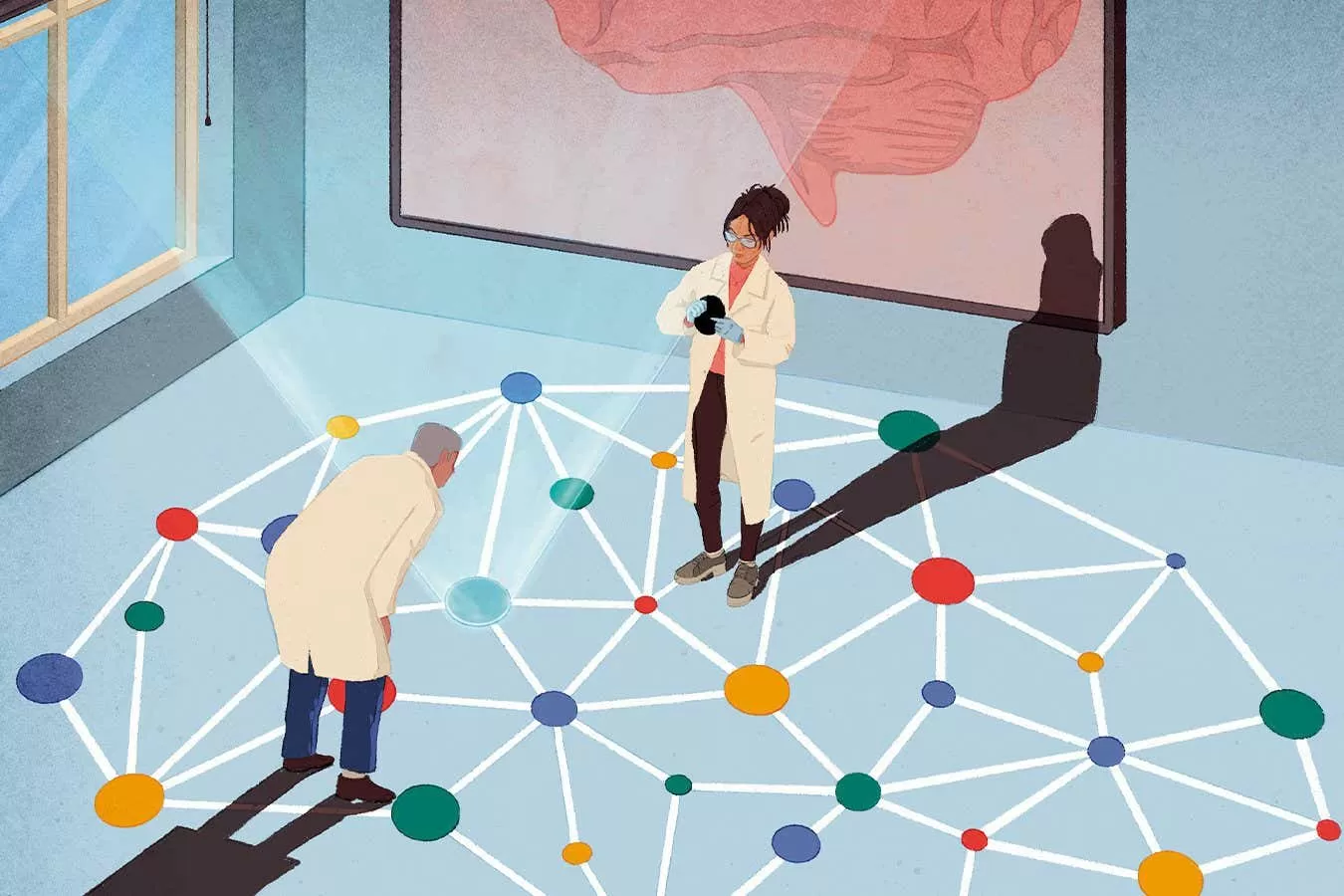
In today’s world, the idea of being able to reshape our memories may sound like something out of a dystopian science fiction novel. However, recent advancements in neuroscience have shown that this seemingly far-fetched concept is actually becoming a reality. And not only that, but it is also proving to be a powerful tool in helping us heal our brains from within.
Steve Ramirez, a neuroscientist and assistant professor at Boston University, has been at the forefront of this groundbreaking research. In a recent interview, he shared his insights on the potential of memory manipulation and how it can be used responsibly to benefit our mental well-being.
One of the key aspects of Ramirez’s research is the understanding that memories are not fixed entities. They are malleable and can be modified and even created. This goes against the traditional belief that memories are permanent and unchangeable. Ramirez and his team have shown that by manipulating specific neurons in the brain, they can either enhance or suppress memories in mice.
This discovery has huge implications for the treatment of mental health disorders such as post-traumatic stress disorder (PTSD) and addiction. PTSD, in particular, is characterized by intrusive and distressing memories that can severely impact a person’s daily life. With the ability to reshape memories, researchers like Ramirez are hopeful that they can help individuals suffering from PTSD by altering the emotional response associated with traumatic memories.
But this research is not just limited to disorders. It can also be used to enhance positive memories and experiences. Ramirez and his team have conducted experiments where they were able to create false memories in mice. This may sound like a controversial concept, but it has potential benefits. For example, it could be used to help individuals with depression by creating positive memories and associations to counteract negative thoughts and emotions.
However, with such groundbreaking research comes the responsibility to use it ethically. Ramirez is well aware of this and emphasizes the importance of responsible memory manipulation. He believes that it is essential to have open and transparent discussions about the potential risks and benefits of this technology. This includes addressing concerns about privacy and the potential for misuse.
Ramirez also stresses the need for strict regulations and guidelines to ensure that this technology is used for the greater good. He envisions a future where memory manipulation is used in a clinical setting, under the supervision of trained professionals, and with the consent of the individual. This would ensure that the process is safe and ethical, and the individual’s autonomy is respected.
The potential of memory manipulation goes beyond just treating mental health disorders. It could also have implications for learning and education. Imagine being able to enhance and strengthen memories related to academic subjects, making it easier for students to retain information and excel in their studies.
Of course, there are still many ethical and scientific questions that need to be addressed before this technology can be widely used. But the progress made so far is a testament to the power of human ingenuity and the potential of neuroscience to improve our lives.
In conclusion, the idea of being able to reshape memories may have seemed like something out of a science fiction novel just a few years ago. But thanks to the groundbreaking research of scientists like Steve Ramirez, it is now becoming a reality. By understanding the malleability of memories, we have the potential to heal our brains from within and improve our mental well-being. And with responsible use, this technology could have a positive impact on our lives in ways we never thought possible.
