
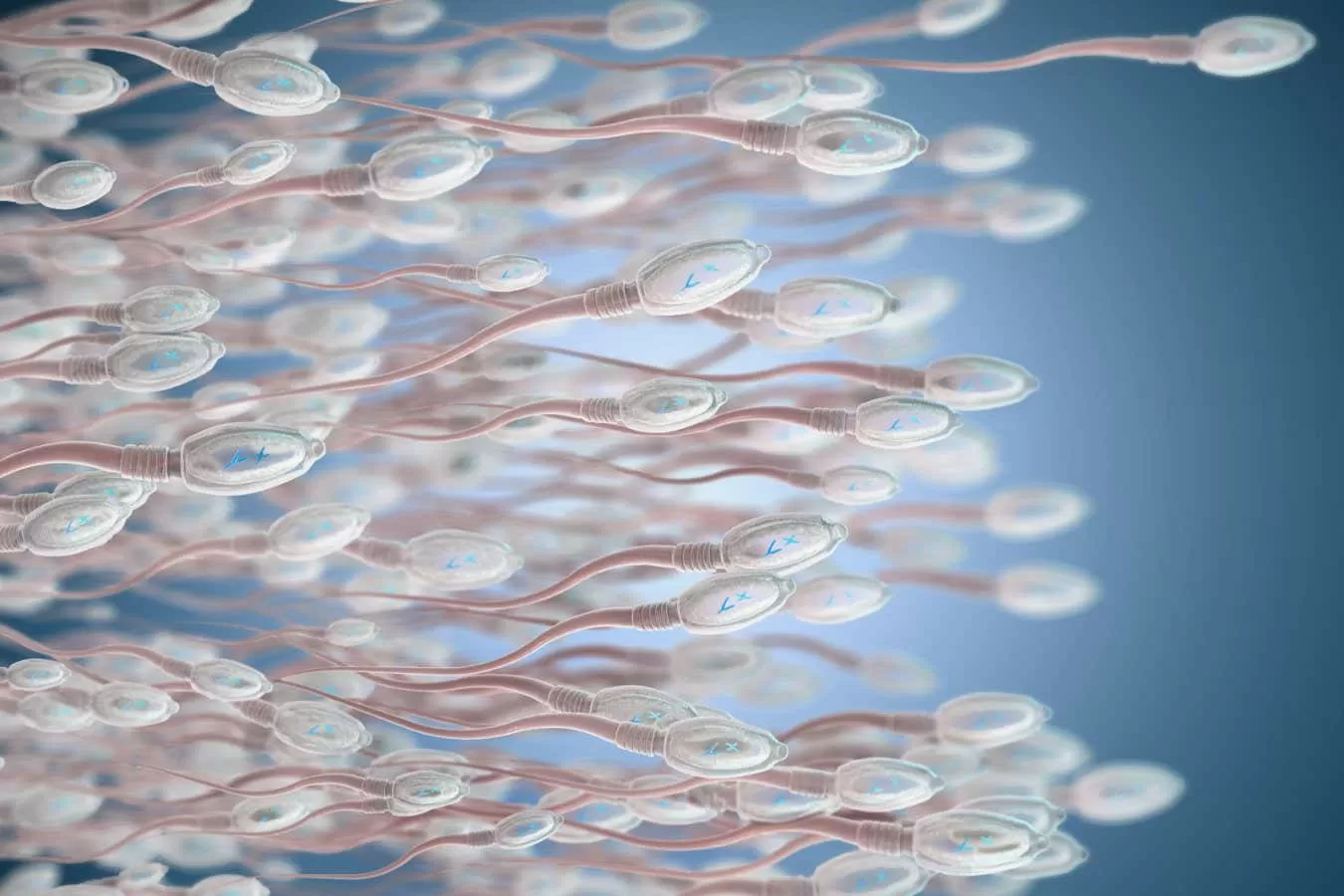
Recent advancements in the field of genetics and molecular biology have shed light on the origins of a fundamental aspect of sexual reproduction – sperm. According to a recent study, the molecular toolkit of sperm, which is responsible for fertilization, can be traced back to our single-celled ancestors, possibly over a billion years ago. This groundbreaking discovery has provided us with a deeper understanding of the evolution of sexual reproduction in animals.
The study, published in the journal Nature, analyzed the DNA and proteins of a wide range of animals, from sea anemones to humans, to determine the evolutionary history of sperm. The results showed that the molecular machinery used by sperm to fertilize eggs is remarkably similar across all animal species, suggesting a common ancestor.
It is a well-known fact that the process of sexual reproduction involves the fusion of two specialized cells – the sperm and the egg. The sperm is equipped with a molecular toolkit that enables it to reach and penetrate the egg, eventually leading to the formation of an embryo. This toolkit consists of proteins that help the sperm to swim towards the egg, break through its protective layers, and fuse with it. The striking similarity of this toolkit in all animals, regardless of their size, complexity, or mode of reproduction, has long been a mystery to scientists.
The study conducted by an international team of researchers has finally provided an explanation for this puzzling phenomenon. By comparing the genetic sequences of different animals, the team discovered that the genes responsible for sperm function are highly conserved, meaning they have remained unchanged throughout evolution. This indicates that the molecular toolkit of sperm has been inherited from a common ancestor, which most likely existed over a billion years ago.
The findings of this study have significant implications for our understanding of the origins of sexual reproduction. It was previously believed that sperm evolved independently in different animal groups. However, the presence of a common ancestral toolkit challenges this notion and suggests that sexual reproduction may have originated from a single-celled ancestor.
Moreover, this study also sheds light on the ancient origins of sperm competition, a phenomenon in which sperm from different males compete to fertilize the same egg. The study found that animals with a higher risk of sperm competition, such as primates and rodents, have a more complex and diverse sperm toolkit. This suggests that the molecular toolkit of sperm has evolved to adapt to different reproductive strategies and challenges over time.
The discovery of a shared ancestral toolkit for sperm has also opened up new avenues for research. Scientists can now focus on studying the evolution of specific genes and proteins involved in sperm function, which could provide valuable insights into the mechanisms of fertilization and reproductive success.
Furthermore, this study has significant implications for the field of assisted reproductive technologies (ART). In vitro fertilization (IVF) techniques, which involve the manipulation of sperm and eggs in a lab, often use chemicals and enzymes to mimic the functions of the sperm toolkit. The discovery of a conserved sperm toolkit could help improve the success rate of IVF procedures and aid in the development of new and more effective techniques.
In conclusion, the analysis of DNA and proteins from a wide range of animals has revealed that the molecular toolkit of sperm has ancient origins, dating back to our single-celled ancestors. This discovery not only provides a deeper understanding of the evolution of sexual reproduction but also has potential implications for human health and assisted reproductive technologies. As we continue to unravel the mysteries of our biological ancestry, it is clear that the tiny and seemingly simple sperm has played a crucial role in shaping the diversity of life on our planet.
