
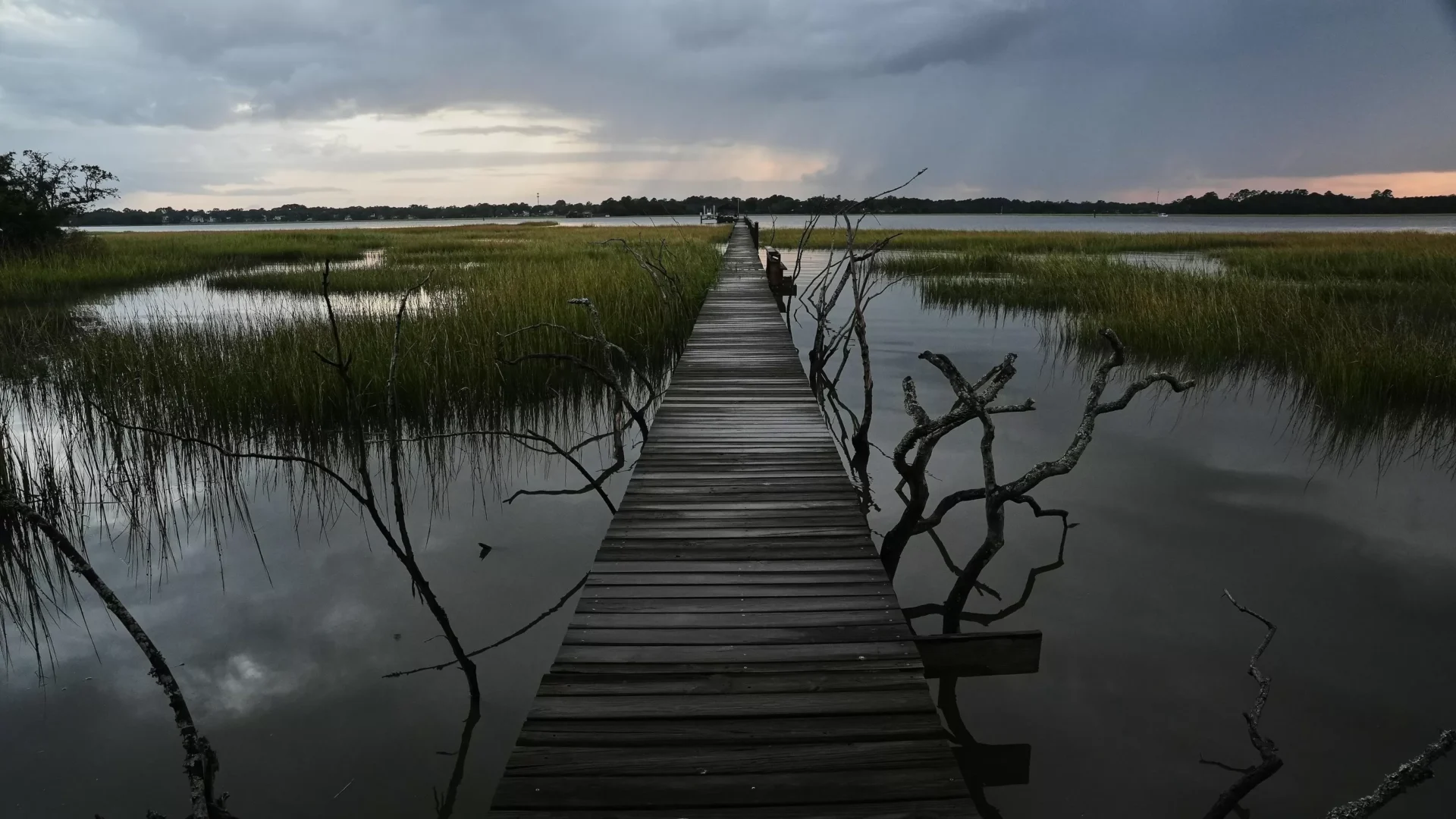
The Environmental Protection Agency (EPA) has recently announced that it will be redefining the scope of the Clean Water Act, one of the nation’s most important environmental laws. This move by the EPA is aimed at limiting the amount of wetlands that are covered under the Act, in an effort to balance environmental protection with economic growth.
The Clean Water Act was first enacted in 1972 and has been one of the cornerstones of environmental legislation in the United States. Its goal is to protect the quality of the nation’s waters by regulating the discharge of pollutants into them. However, over the years, the definition of “waters of the United States” under the Act has been subject to debate and confusion. This has led to legal battles and uncertainty for businesses and landowners.
The EPA’s decision to redefine the scope of the Clean Water Act is a step towards clarifying the Act and providing more certainty for all stakeholders involved. This move has been welcomed by many, including the agriculture and construction industries, who have long argued that the current definition of “waters of the United States” is too broad and encompasses many areas that should not be regulated.
Under the new definition, the EPA will limit the scope of the Clean Water Act to include only wetlands that have a direct and significant connection to navigable waters. This means that only wetlands that are adjacent to traditional navigable waters, interstate waters, or territorial seas will be regulated under the Act. This change will not only provide more clarity but will also reduce the regulatory burden on businesses and landowners.
The EPA’s decision is also in line with the Trump administration’s efforts to roll back regulations and promote economic growth. By limiting the scope of the Clean Water Act, the EPA is sending a strong message that it is committed to protecting the environment while also supporting economic development.
This move has been met with criticism from environmental groups, who argue that it will result in the loss of crucial protections for wetlands and streams. However, the EPA has assured that it will not affect the protection of larger bodies of water, such as lakes and rivers, which will still be covered under the Act. In fact, the EPA has stated that it will continue to work with states and tribes to protect and restore wetlands and other water bodies that are not covered under the new definition.
The EPA’s decision to redefine the scope of the Clean Water Act is a positive step towards balancing environmental protection and economic growth. It provides much-needed clarity and certainty for all stakeholders, while still ensuring the protection of the nation’s waters. Furthermore, the EPA’s commitment to working with states and tribes to protect wetlands and other water bodies is a testament to their dedication to preserving our environment.
In conclusion, the EPA’s move to redefine the scope of the Clean Water Act is a positive development that will benefit both the environment and the economy. It is a step towards reducing regulatory uncertainty and promoting responsible economic development. By limiting the scope of the Act, the EPA is showing its commitment to striking a balance between environmental protection and economic growth. This decision should be celebrated and supported by all who care about the well-being of our nation’s waters.
