
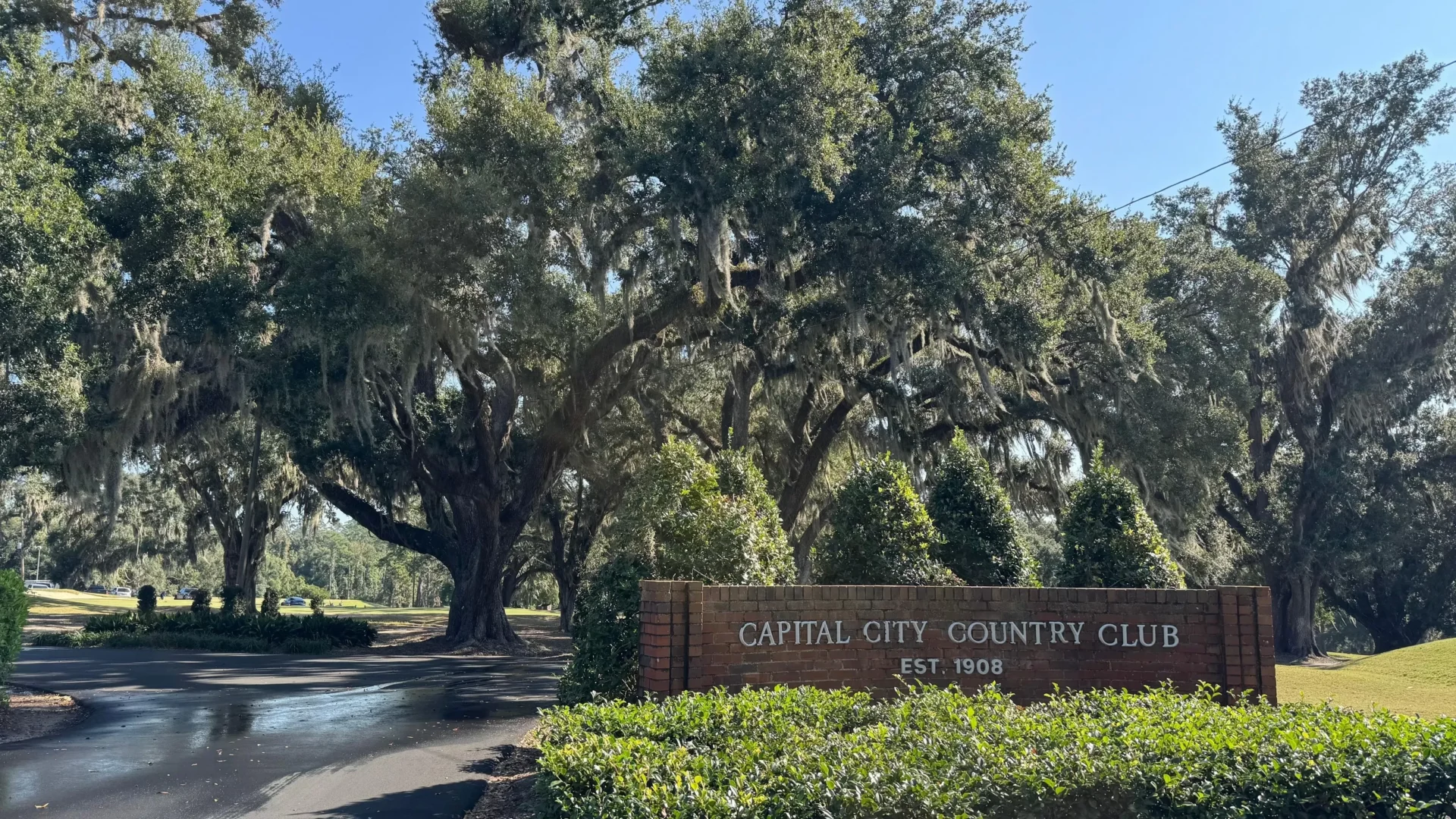
A Proposal to Sell a City-Owned Golf Course Built on Top of Burial Grounds for Enslaved People Sparks Outrage in Tallahassee
Tallahassee, the capital city of Florida, is known for its rich history and vibrant culture. However, recent events have caused quite a stir in the community as a proposal to sell a city-owned golf course has sparked public outcry. What makes this proposal particularly contentious is that the golf course was unknowingly built on top of a burial ground for enslaved people. The discovery has sparked a moral and ethical debate among the citizens of Tallahassee, with many questioning the city’s decision to sell the land. As we move towards a more progressive and inclusive society, it is important to address the concerns and sensitivities of our past, and this proposal has brought that to the forefront.
The golf course in question, located in the heart of Tallahassee, has been a popular spot for golf enthusiasts for years. However, recent archaeological excavations have uncovered a dark truth – the land was once a plantation where enslaved people were buried. This revelation has caused a lot of pain and anger among the descendants of those enslaved individuals, as well as the larger community. Many argue that the land should not be sold for commercial use, disregarding the dignity and rights of those buried there.
The proposal to sell the land was put forth by the city council, citing financial constraints and the need for economic development in the area. They argue that the land is valuable and could bring in a substantial amount of revenue if sold to private developers. However, the citizens of Tallahassee, along with historians and archeologists, strongly oppose this decision. They argue that the land holds significant historical and cultural value and should be preserved and respected as a sacred burial site.
The outcry has been so overwhelming that the city council has agreed to hold a public hearing to discuss the proposal and address the concerns of the community. This move has been welcomed by many who see it as an opportunity to have their voices heard and their concerns addressed. It is heartening to see the city council taking the opinions of its citizens into consideration and acknowledging the importance of preserving our past.
This proposal has also brought to light the lack of proper research and consideration given to the land’s historical significance before its development. It is a harsh reminder that we must be mindful of our actions and their potential impact, especially when it comes to our history. The city council has also pledged to conduct a thorough investigation into the history of the land and its rightful owners before making any decisions about its future.
The controversy surrounding the proposed sale of the golf course has sparked a larger conversation about the need to preserve and protect historical sites in our community. It serves as a reminder that we must not only acknowledge the injustice and cruelty of our past but also ensure that it is not forgotten. The burial ground for the enslaved people is a crucial part of our history, one that must be remembered and respected.
Furthermore, the proposal has also highlighted the importance of recognizing and honoring the contributions and struggles of the African American community. As we continue to strive towards equality and inclusivity, it is crucial to acknowledge and learn from our past. The preservation of this burial ground not only shows respect for those who are buried there but also serves as a powerful symbol of our progress as a society.
In conclusion, the proposal to sell the city-owned golf course built on top of the burial grounds for enslaved people has sparked a powerful reaction in Tallahassee. It has prompted us to reflect on our past and consider the impact of our actions. The public outcry and the city council’s decision to hold a public hearing demonstrate the power of voicing our opinions and the importance of preserving our history. Let this be a lesson for us all to be more mindful and respectful of our past as we continue to move forward towards a more equal and just society.
