
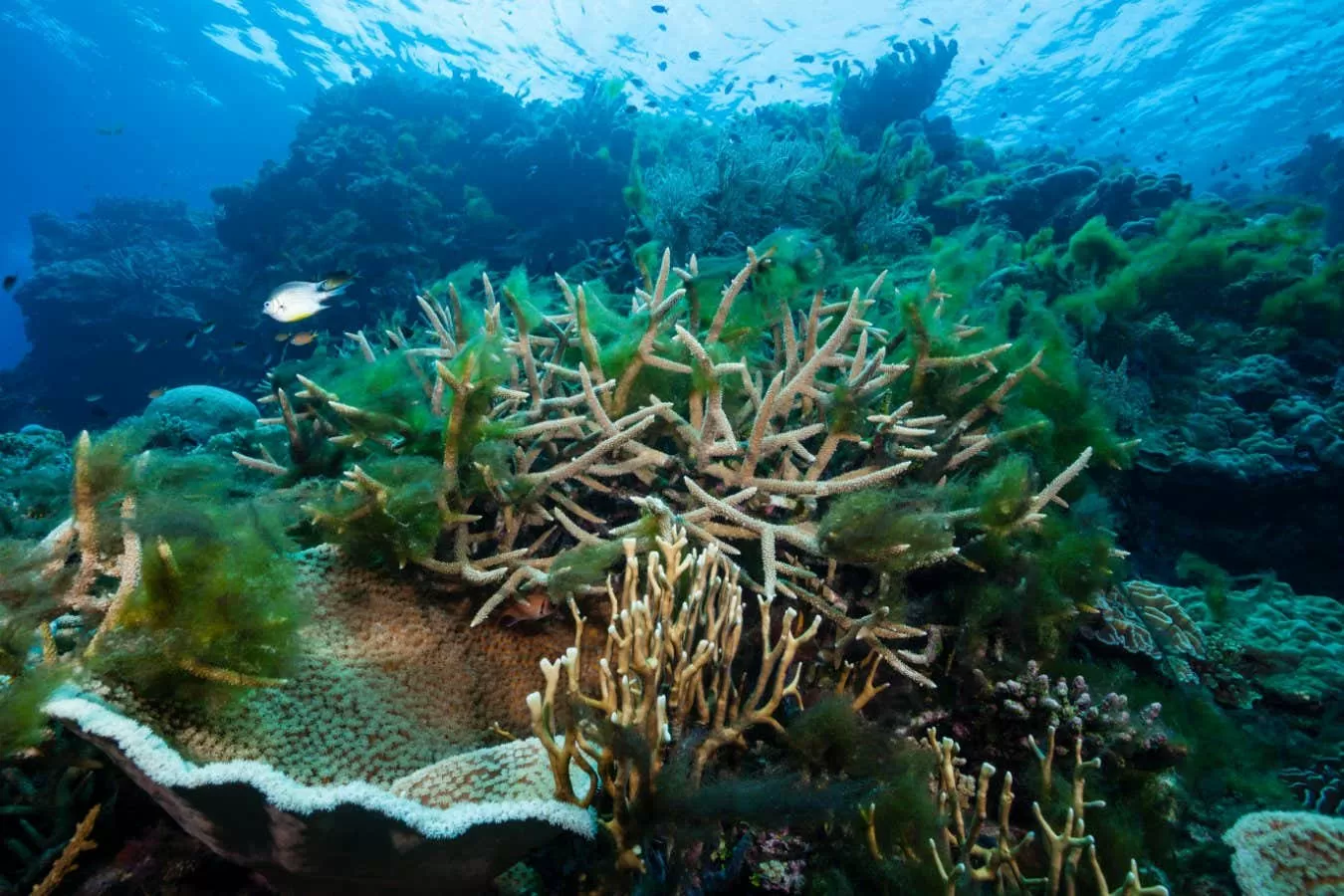
Record-breaking ocean temperatures have caused widespread bleaching and death among warm-water corals, which could have far-reaching consequences. This alarming situation has been making headlines all over the world, and for good reason. The impact of rising ocean temperatures on coral reefs is not only devastating for the marine ecosystem, but it also has the potential to affect human lives in the long run.
Corals are not just colorful and beautiful creatures found in the ocean, they are also vital for the health of our planet. They provide a home for countless marine species, protect coastlines from erosion, and are a source of food and income for millions of people. However, in recent years, coral reefs have been facing a major threat – bleaching.
Bleaching occurs when corals are exposed to stressors such as high temperatures, pollution, or changes in water chemistry. As a result, the corals expel the algae living in their tissues, causing them to turn white and eventually die. This process not only affects the corals themselves, but also the entire ecosystem that relies on them.
According to a study published in the journal Nature Communications, the world has lost half of its coral reefs in the last 30 years due to human activities and climate change. But the recent rise in ocean temperatures has accelerated this process, causing widespread bleaching events that have never been seen before.
In 2016, the Great Barrier Reef – the largest coral reef system in the world – experienced its worst bleaching event in history. Almost 30% of the corals died due to the high ocean temperatures. The situation was so severe that even the most resilient corals were affected. This event not only caused a significant loss of marine life, but it also had a devastating impact on the local economy, which heavily relies on tourism and fishing.
The Great Barrier Reef is not the only coral reef system that has been affected by this phenomenon. Reefs in the Caribbean, Indian Ocean, and Pacific Ocean have also experienced widespread bleaching and death. In fact, it is estimated that 70% of the world’s coral reefs are at risk of being destroyed by the end of this century if we do not take immediate action.
The consequences of losing coral reefs are far-reaching and could have a domino effect on the entire planet. Apart from the loss of marine life and the impact on the livelihoods of coastal communities, coral reefs also play a crucial role in regulating the Earth’s climate. They absorb carbon dioxide from the atmosphere and act as a carbon sink, helping to mitigate the effects of climate change.
Moreover, coral reefs also act as natural barriers, protecting coastlines from storms and erosion. Without them, coastal communities would be more vulnerable to natural disasters and could face significant economic losses. In addition, the loss of coral reefs would also have a ripple effect on the fishing industry, impacting the food supply and livelihoods of millions of people who rely on it.
It is clear that the decline of coral reefs is a global issue that requires immediate and collective action. Governments, organizations, and individuals all have a role to play in protecting these valuable ecosystems. One of the most effective ways to combat coral bleaching is to reduce our carbon footprint and mitigate the effects of climate change. This can be achieved by switching to renewable energy sources, reducing emissions, and implementing sustainable practices in our daily lives.
In addition, we need to take measures to reduce pollution and protect coral reefs from other human activities such as overfishing and destructive fishing practices. This can be achieved through the establishment of marine protected areas and the implementation of sustainable fishing practices.
Furthermore, we need to continue researching and monitoring coral reefs to better understand their response to changing ocean temperatures and to identify ways to help them adapt and recover. This can also help us identify the most vulnerable areas and take proactive measures to protect them.
The good news is that there are already efforts being made to protect and restore coral reefs. In 2015, the United Nations adopted the Sustainable Development Goal 14, which aims to conserve and sustainably use the oceans, seas, and marine resources. This includes the protection and restoration of coral reefs.
Moreover, organizations such as the Coral Reef Alliance and The Nature Conservancy are working towards protecting and restoring coral reefs through various initiatives and projects. These efforts need to be supported and expanded to have a significant impact on the health of coral reefs.
In conclusion, the record-breaking ocean temperatures have caused widespread bleaching and death among warm-water cor
