
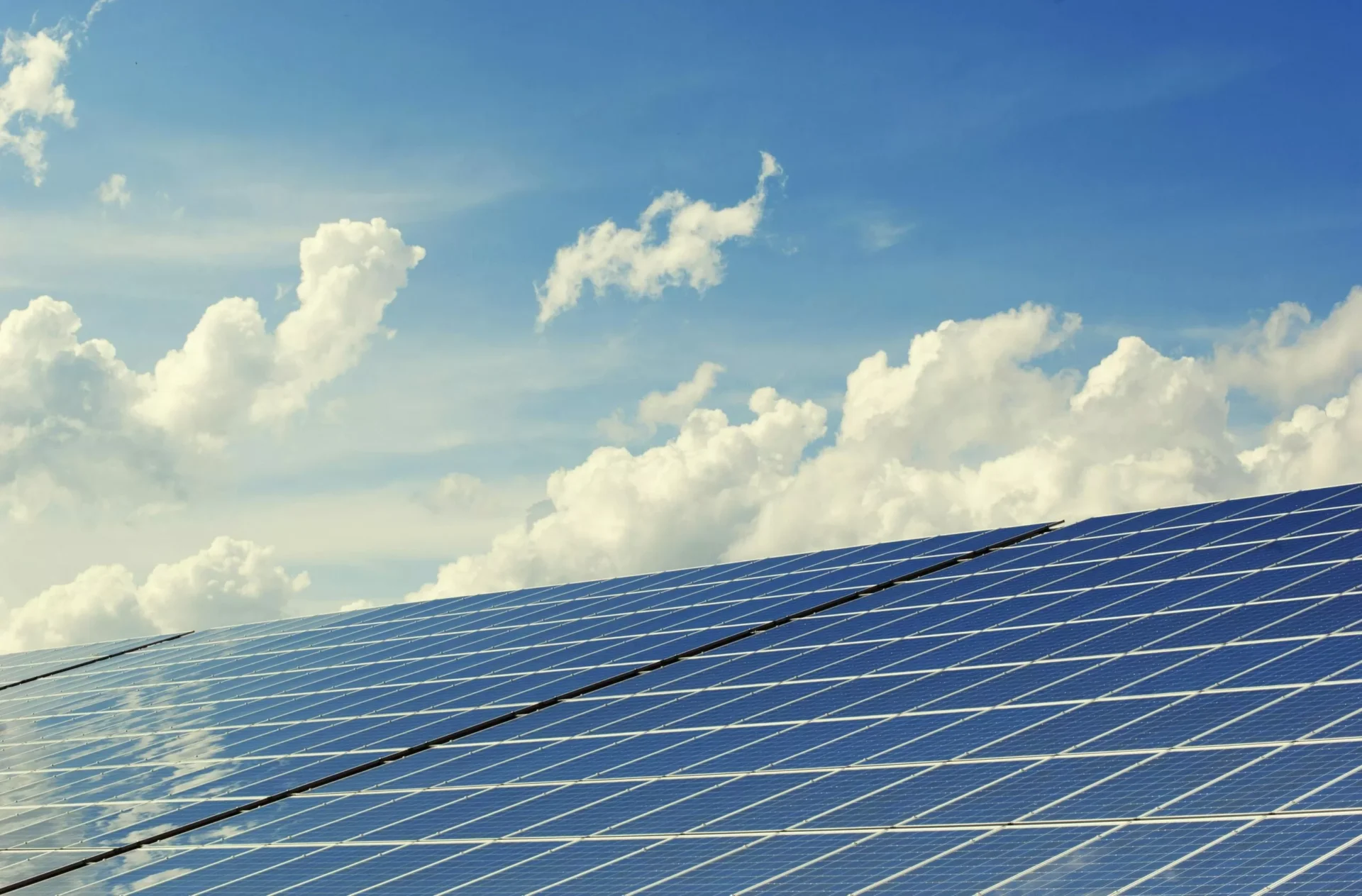
In recent years, there has been a growing movement towards renewable and green energy, especially among the younger generation. As the world grapples with the effects of climate change, it is natural for Gen Z to be concerned about the future of our planet. However, it is important for us to have a reality check when it comes to the implementation of green energy. The reality is, ‘green’ energy requires wealth.
The concept of green energy is not a new one. It refers to energy that is produced from renewable sources like wind, solar, hydro, and geothermal power. These sources of energy are considered to be more environmentally friendly as they do not produce harmful emissions like traditional fossil fuels do. In light of this, it is no surprise that many young people are advocating for the adoption of green energy as the primary source of energy.
However, what many fail to realize is that the development and implementation of green energy require a significant amount of wealth. The technology and infrastructure needed for renewable energy production are expensive and not easily accessible to all countries. This means that developing countries, which are already struggling with poverty and economic instability, may find it difficult to adopt green energy on a large scale.
Moreover, the transition to green energy also requires significant investments in research and development. This includes finding ways to store and distribute renewable energy effectively, as well as developing new technologies to make it more efficient and affordable. These advancements require a lot of funding, which may not be readily available for many countries.
This is not to say that green energy is not a worthwhile investment. In fact, it is crucial for the future of our planet. However, we must also acknowledge that it is a luxury that not everyone can afford. This is why it is important for us, as the younger generation, to have a realistic understanding of the challenges that come with implementing green energy.
Furthermore, the push for green energy often comes at the expense of other important issues. In an effort to combat climate change, many governments and organizations have diverted their resources towards green energy projects, neglecting other pressing issues like poverty, healthcare, and education. While the intention is noble, it is important to strike a balance and address all these issues simultaneously. After all, what good is a green planet if its inhabitants are still suffering?
In addition to the economic challenges, there are also practical limitations to the widespread adoption of green energy. For example, areas that rely heavily on fossil fuels for energy production may not have the necessary infrastructure to switch to renewable sources. This would require significant time and resources to build, which may not be feasible in the short term.
To truly make green energy a reality, we must also consider the behavioral changes that need to take place. It is not enough to simply switch to renewable sources of energy; we must also make conscious efforts to reduce our overall energy consumption. This means being mindful of our daily habits and finding ways to be more energy-efficient. It also means holding corporations and industries accountable for their energy consumption and waste management practices.
In conclusion, it is important for Gen Z to have a reality check when it comes to green energy. While the intentions are commendable, the implementation of green energy requires significant wealth and resources. We must also be mindful of the other pressing issues that need to be addressed and find a balance between them. It is only through cooperation and collective effort that we can truly make a positive impact on the environment and secure a sustainable future for generations to come. Let us use our passion and drive for change to find practical and inclusive solutions for a greener world.
