
Madeline Lancaster Created the First Brain Organoids: Revolutionizing Our Understanding of the Brain and Raising Ethical Questions
The human brain has always been a mystery, with its complex structure and functions still largely unknown. For decades, scientists have been trying to unravel its secrets, but it wasn’t until recently that a breakthrough was made. Madeline Lancaster, a developmental biologist, has created the first brain organoids, which have revolutionized our understanding of how the brain works. These tiny 3D structures, grown from human stem cells, have opened up a whole new world of possibilities in neuroscience. However, along with the excitement and potential, they have also raised ethical questions that need to be addressed.
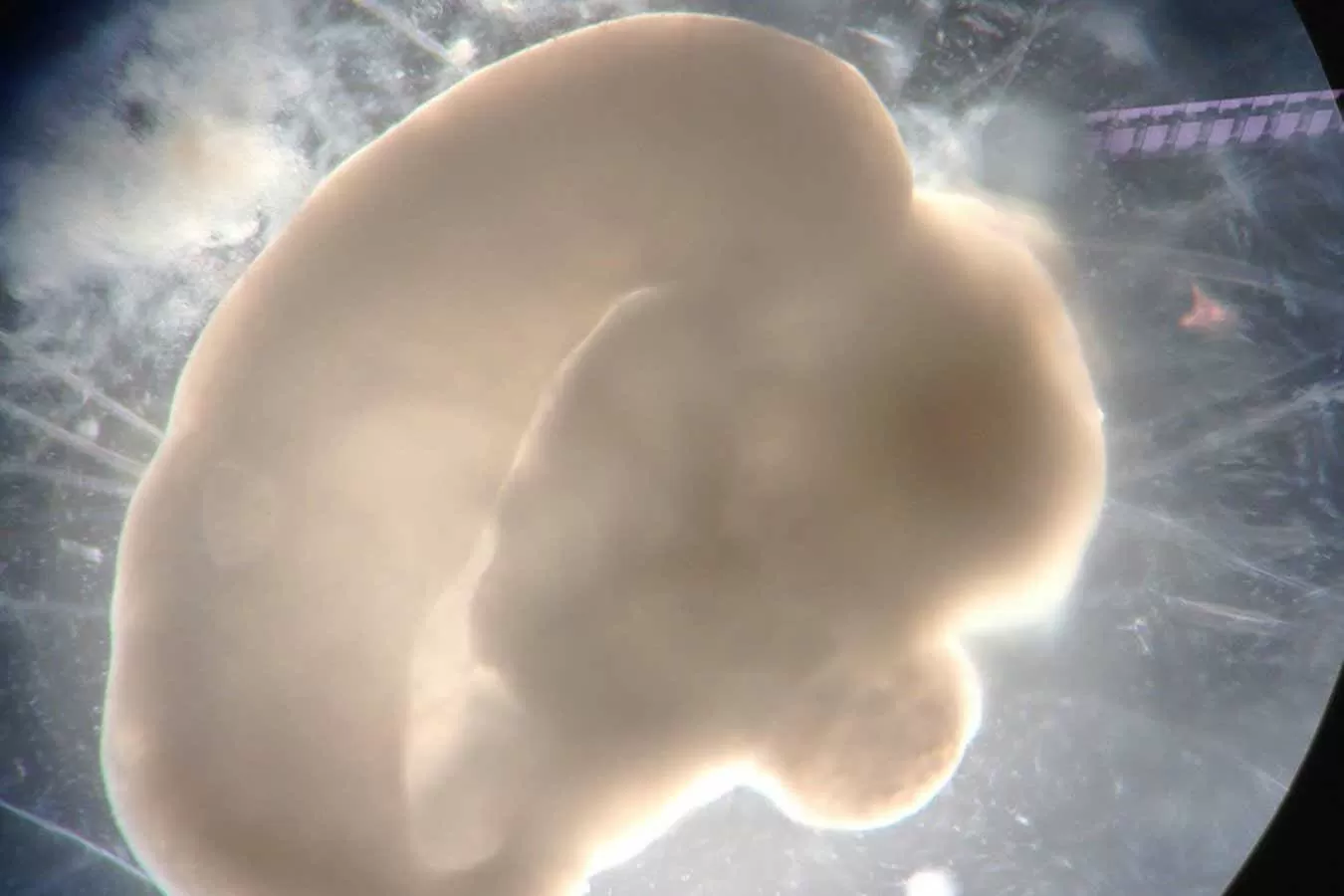
Brain organoids, also known as mini-brains, are miniature versions of the human brain grown in a lab. They are made from pluripotent stem cells, which have the ability to develop into any type of cell in the body. Lancaster, who is currently a group leader at the Medical Research Council’s Laboratory of Molecular Biology in Cambridge, UK, first started working on brain organoids in 2008. Her goal was to create a model of the human brain that could be studied in a controlled environment, without the limitations of animal models.
After years of research and experimentation, Lancaster and her team were able to successfully grow brain organoids that resembled the early stages of human brain development. These tiny structures, measuring only a few millimeters in diameter, contain different types of brain cells and can even form rudimentary neural networks. This breakthrough has allowed scientists to study the development and function of the human brain in ways that were not possible before.
One of the most significant contributions of brain organoids is in the field of neurodevelopmental disorders. These disorders, such as autism and schizophrenia, are caused by abnormalities in brain development. With brain organoids, scientists can now study the early stages of brain development and potentially identify the root causes of these disorders. This could lead to the development of new treatments and therapies for these conditions.
Brain organoids have also shed light on the effects of drugs and toxins on the human brain. Traditional methods of testing drugs and chemicals on animals often do not accurately reflect their effects on the human brain. With brain organoids, scientists can now test these substances on a more accurate model of the human brain, potentially reducing the need for animal testing.
However, along with the potential benefits, brain organoids have also raised ethical concerns. As these structures become more advanced and start to resemble the human brain, questions arise about their ethical status. Are they considered living organisms? Do they have consciousness? These are just some of the questions that need to be addressed.
Another ethical concern is the source of the stem cells used to create brain organoids. The most common source is human embryonic stem cells, which are derived from discarded embryos from fertility clinics. This raises questions about the ethical implications of using human embryos for research purposes.
Despite these ethical concerns, Lancaster and her team are committed to addressing them and ensuring that their research is conducted ethically. They have strict guidelines in place for the use of stem cells and have also developed protocols for the disposal of brain organoids once they are no longer needed.
In addition to ethical concerns, there are also limitations to brain organoids that need to be addressed. These structures are still in their early stages of development and do not fully replicate the complexity of the human brain. They lack blood vessels and immune cells, which are essential for brain function. This means that they cannot fully mimic the brain’s response to diseases and injuries.
Despite these limitations, brain organoids have already made significant contributions to our understanding of the brain and have the potential to make even more groundbreaking discoveries in the future. Lancaster’s work has opened up a whole new world of possibilities in neuroscience and has inspired other researchers to explore the potential of brain organoids.
In conclusion, Madeline Lancaster’s creation of the first brain organoids has revolutionized our understanding of the brain. These tiny structures have the potential to unlock the mysteries of the human brain and lead to new treatments for neurodevelopmental disorders. However, along with the excitement and potential, they have also raised ethical questions that need to be addressed. As research in this field continues, it is crucial that ethical considerations are taken into account to ensure that this groundbreaking technology is used responsibly for the betterment of humanity.
