
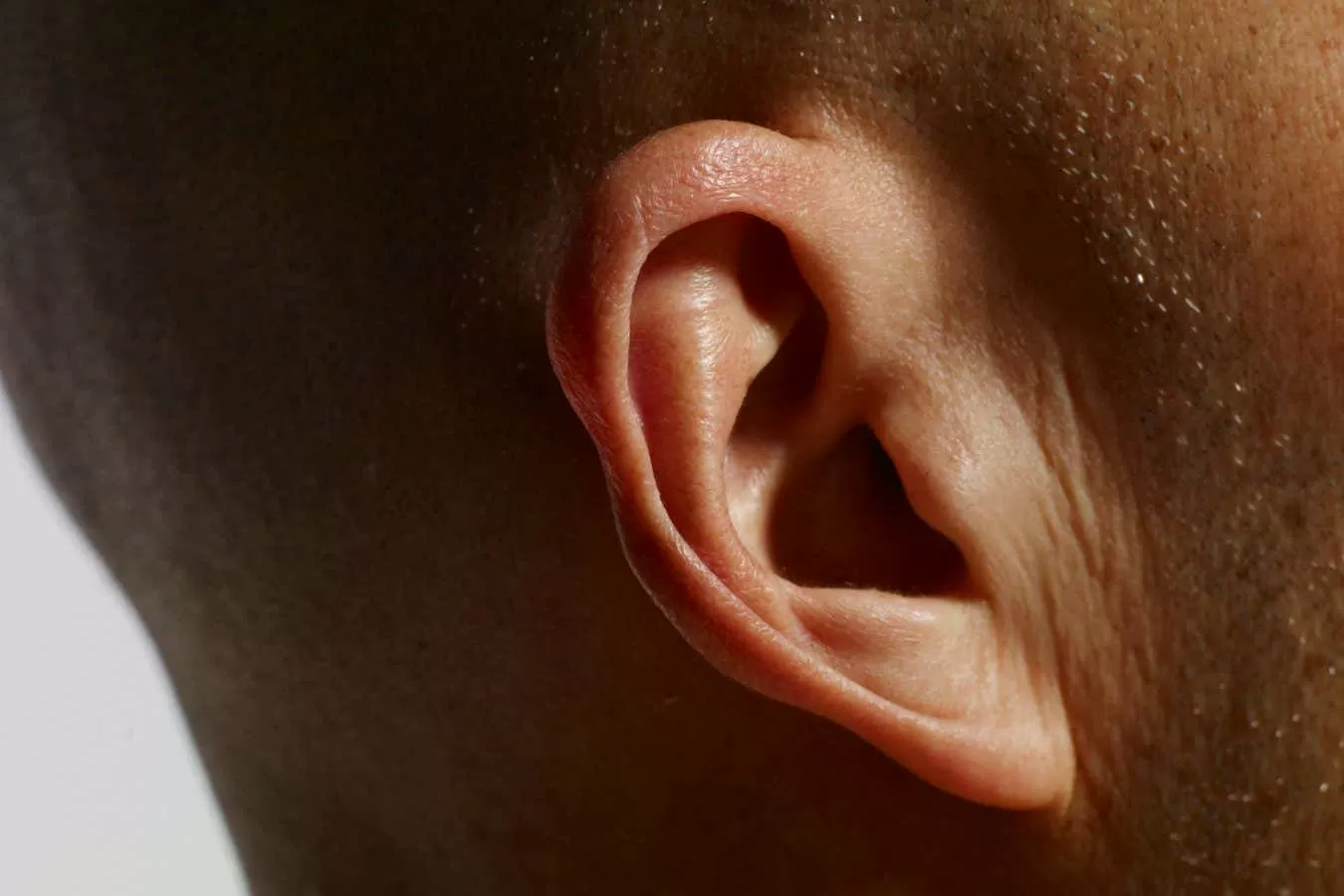
Many mammals have the incredible ability to physically pivot their ears in order to hone in on a particular sound. This is a skill that has long fascinated scientists and has been attributed to the keen sense of hearing possessed by these animals. However, recent research has revealed that a similar action takes place in our brains, further highlighting the remarkable capabilities of our own auditory system.
The concept of ear pivoting in mammals is not a new one. It has been observed in a variety of species, from cats and dogs to foxes and horses. This ability allows these animals to focus on a specific sound, such as the rustling of leaves or the chirping of a bird, even in the midst of other noises. It is a crucial survival mechanism, enabling them to detect potential predators or prey, and has been a subject of great interest for scientists.
But what about humans? We may not have the physical ability to pivot our ears, but it turns out that our brains are capable of a similar action. A study conducted by researchers at the University of California, Berkeley, has revealed that our brains have the ability to selectively amplify certain sounds while suppressing others. This process, known as selective auditory attention, is similar to the ear pivoting observed in other mammals.
The study involved participants listening to a series of tones while their brain activity was monitored using functional magnetic resonance imaging (fMRI). The results showed that when a specific tone was played, the participants’ brains responded by increasing activity in the corresponding auditory cortex, while simultaneously decreasing activity in other areas. This selective amplification and suppression of sound is a key aspect of our auditory system and is responsible for our ability to focus on a particular sound amidst a noisy environment.
This discovery has shed new light on the complexity of our auditory system and has challenged the notion that humans are not as adept at hearing as other mammals. While we may not have the physical ability to pivot our ears, our brains have evolved to compensate for this, allowing us to effectively filter out irrelevant sounds and focus on what is important.
The implications of this research are far-reaching. It not only deepens our understanding of the human auditory system, but it also has potential applications in fields such as neuroscience and audiology. By understanding how our brains selectively amplify and suppress sounds, we can develop new techniques to improve hearing in individuals with hearing impairments.
Furthermore, this study has also highlighted the importance of paying attention to our auditory environment. In today’s world, we are constantly bombarded with noise from various sources, such as traffic, construction, and electronic devices. Our brains are constantly working to filter out these sounds and focus on what is important. However, this can be a taxing process and can lead to fatigue and reduced cognitive performance. By being mindful of our auditory environment and taking breaks from noisy environments, we can give our brains a much-needed rest and improve our overall well-being.
In conclusion, the discovery of selective auditory attention in humans is a testament to the remarkable capabilities of our brains. It shows that we are not limited by our physical abilities, but rather, our brains have evolved to compensate for any shortcomings. This research has opened up new avenues for further exploration and has the potential to greatly impact our understanding of the human auditory system. So the next time you hear a sound and are able to focus on it amidst a noisy environment, remember that you have your brain to thank for this incredible feat.
