
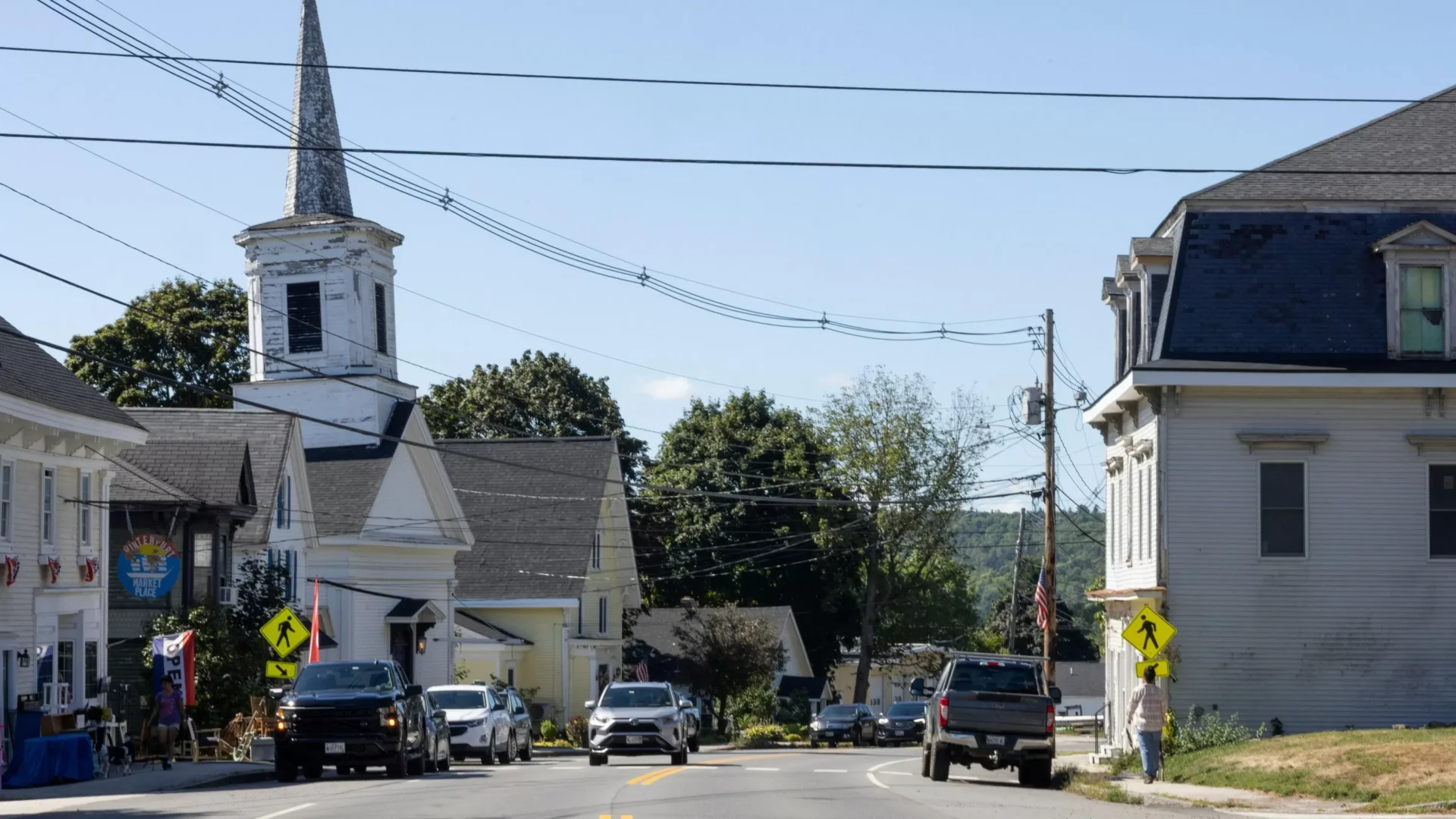
Maine, the northeasternmost state of the United States, is known for its picturesque landscapes, seafood delicacies, and friendly people. However, behind this idyllic facade lies a harsh reality – Maine has one of the highest food insecurity rates in New England. According to a recent study by Feeding America, 1 in 7 Maine residents struggle with hunger, making it the 7th highest food insecurity rate in the country. This is a startling statistic for a state that is often associated with abundance and prosperity.
Food insecurity is defined as the lack of access to enough food for an active and healthy life. It is a complex issue that affects individuals and families from all walks of life. It is not just about being hungry, but also about the uncertainty of where the next meal will come from. In Maine, this uncertainty is a daily reality for thousands of people.
One of the main reasons for Maine’s high food insecurity rate is its rural nature. The state has a large population living in remote areas with limited access to grocery stores and supermarkets. This makes it difficult for people to buy fresh and nutritious food, especially for those who do not have access to transportation. As a result, many people in Maine rely on convenience stores and fast food outlets for their meals, which are often high in calories but lacking in essential nutrients.
Another contributing factor is the high cost of living in Maine. The state has one of the highest costs of living in the country, making it challenging for low-income families to afford basic necessities like food. Many families have to make tough choices between paying for rent, utilities, or food. Unfortunately, food is often the item that gets sacrificed.
Furthermore, Maine’s economy is heavily reliant on seasonal industries such as tourism, fishing, and agriculture. This means that many jobs are only available during certain times of the year, leaving workers unemployed and struggling to make ends meet during the off-season. This lack of stable employment can lead to food insecurity for individuals and families.
The impact of food insecurity goes beyond just physical hunger. It can also have severe consequences on an individual’s mental and emotional well-being. Children who experience food insecurity are more likely to have developmental delays, behavioral problems, and chronic health conditions. Adults may also experience higher levels of stress, anxiety, and depression, as they try to provide for their families in the face of food insecurity.
However, despite these challenges, Mainers are not giving up. The state has a strong sense of community and a resilient spirit that has led to the creation of various initiatives to combat food insecurity. Food banks, pantries, and soup kitchens are working tirelessly to provide meals to those in need. The Good Shepherd Food Bank, the largest hunger relief organization in Maine, distributes millions of pounds of food annually to over 400 partner agencies across the state.
In addition to these efforts, the state government has also taken steps to address food insecurity. The Maine Department of Agriculture, Conservation, and Forestry has implemented programs like the Maine Harvest for Hunger, which encourages farmers to donate surplus produce to food banks and pantries. The state also offers SNAP (Supplemental Nutrition Assistance Program) benefits to eligible individuals and families, providing them with much-needed assistance in purchasing food.
Maine’s high food insecurity rate may seem like a daunting challenge, but it also presents an opportunity for the state to come together and make a positive change. By supporting local food banks, volunteering at soup kitchens, and advocating for policies that address food insecurity, we can all play a role in alleviating this issue.
Moreover, individuals and businesses can also make a difference by supporting local farmers and producers. By buying locally grown and produced food, we not only support the local economy but also ensure that fresh and nutritious food is available to all Mainers.
Maine may have one of the highest food insecurity rates in New England, but it is also a state with a strong sense of community and a willingness to help those in need. With continued efforts and support, we can work towards a future where no one in Maine has to go to bed hungry. Let us come together and make a positive impact in our communities, one meal at a time.
