
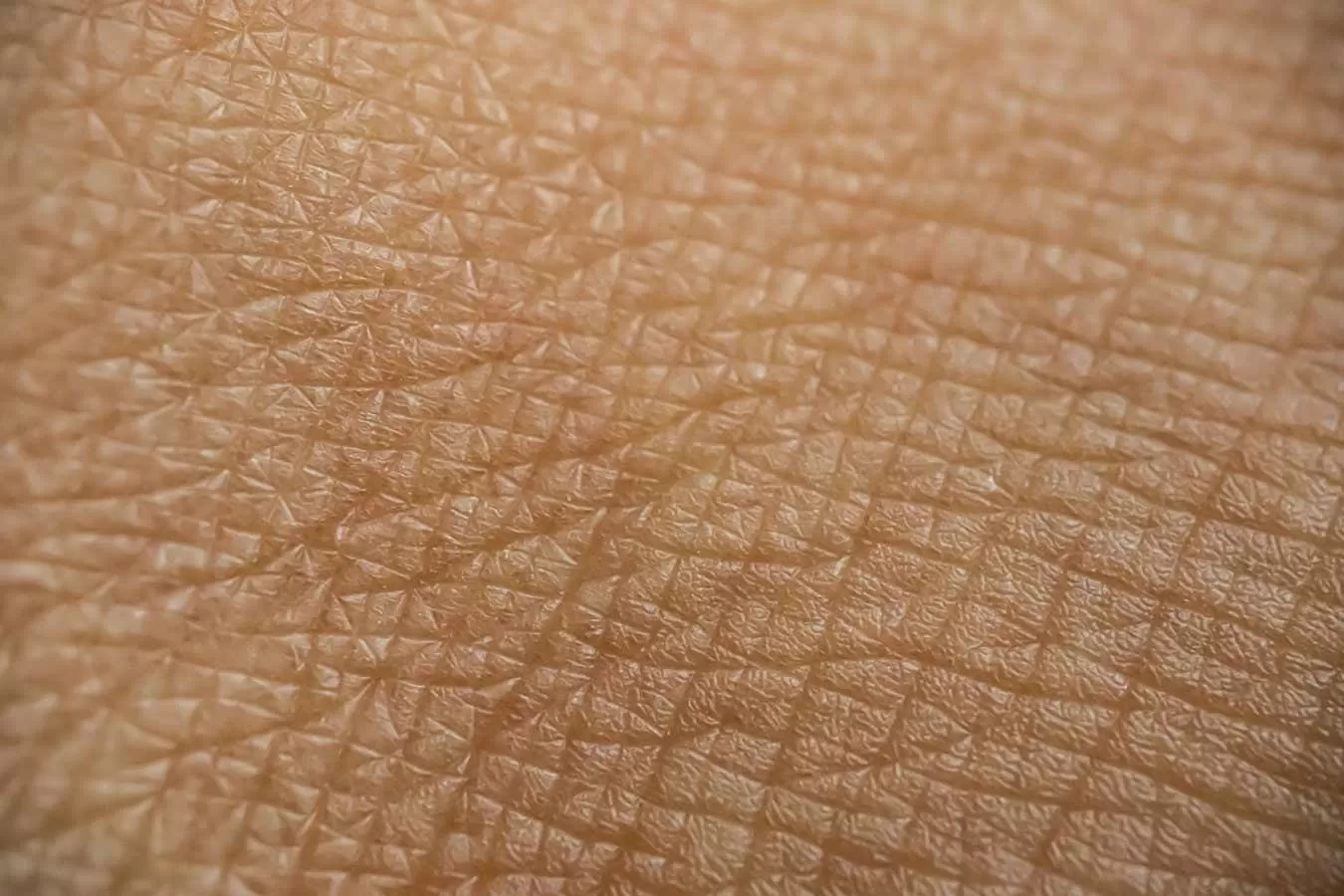
The world of medical science is constantly evolving, and new discoveries are being made every day to improve our health and well-being. In recent years, there has been a growing interest in administering vaccines through the skin. This method, known as topical immunization, could have numerous benefits such as reduced pain and increased convenience for patients. However, one major hurdle in achieving this is the impermeable nature of the skin. But, what if there was a way to change that?
Well, researchers have found a solution – using a suction device to stretch the skin. This might sound surprising, but recent studies have shown that this technique can significantly increase the skin’s permeability, making it suitable for topical vaccine administration. Not only that, but it also stimulates the immune cells in the skin, potentially enhancing the effectiveness of the vaccine. Let’s dive deeper into this exciting development and understand what it could mean for the future of vaccination.
To begin with, let’s understand the science behind this method. The skin is made up of multiple layers, with the outermost layer, called the stratum corneum, acting as a barrier to prevent harmful substances from entering the body. This barrier also makes it difficult for vaccines to penetrate the skin and reach the immune cells located in deeper layers. However, with the use of a suction device, the skin is stretched, creating tiny pores and channels, which allow the vaccine to enter and stimulate the immune cells directly.
The idea of using suction to stretch the skin is not entirely new. In fact, this technique has been used in cosmetic procedures for years to improve skin elasticity and reduce fine lines and wrinkles. However, the recent studies have shown that it can have a much more significant impact on our health, particularly in the field of vaccination.
A study conducted by researchers at the University of Michigan showed promising results when using a suction device to administer the influenza vaccine. The study involved 100 participants who were divided into two groups – one received the vaccine through the traditional injection method, while the other received the vaccine using the suction device. The results showed that the group who received the vaccine through the skin had a higher immune response, indicating a more robust and long-lasting protection against the flu.
Furthermore, the suction device also stimulates the production of immune cells called dendritic cells in the skin. These cells play a vital role in initiating an immune response and are crucial for the effectiveness of a vaccine. By increasing their numbers, the vaccine’s potential efficacy is significantly enhanced.
This method of topical immunization has the potential to revolutionize the way vaccines are administered. It could eliminate the need for needles, which can be a source of anxiety and fear for many people, especially children. It is also a less invasive option, making it suitable for those with needle phobias or conditions that make traditional vaccination difficult.
Apart from these benefits, topical immunization using a suction device also has practical advantages. It is a relatively simple and cost-effective method, requiring minimal training and equipment. This means that it can be easily implemented in developing countries where resources for traditional vaccination methods may be limited.
Moreover, this method could potentially allow for the development of new types of vaccines. Currently, most vaccines are designed to be administered through injection, limiting the types of vaccines that can be produced. With topical immunization, a wider range of vaccines can be explored, including those that target specific immune cells in the skin.
While the use of a suction device to stretch the skin for topical vaccination shows great promise, it is still in its early stages of research. Further studies are needed to determine its safety and effectiveness on a larger scale. However, the initial results are undoubtedly encouraging and pave the way for a potential breakthrough in the field of vaccination.
In conclusion, the use of a suction device to stretch the skin seems to be a promising technique to overcome the barrier of skin permeability and enhance the effectiveness of vaccines. It has the potential to make the vaccination process easier, painless and more accessible for everyone. As we continue to explore this method, it is undoubtedly an exciting time for the future of immunization. Let us hope that this discovery will lead to the development of more effective and efficient vaccines to protect us against various diseases.
