
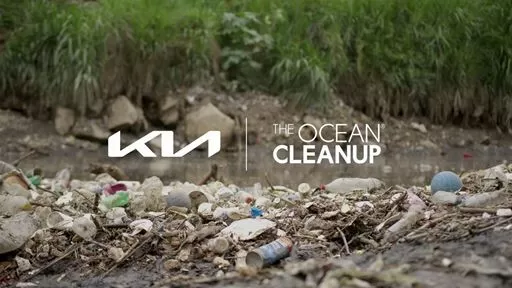
The Ocean Cleanup and Kia collaborate with the Guatemalan Government and partners to prevent one of the world’s largest plastic pollution flows from reaching the ocean.
Plastic pollution has become a global crisis, with millions of tons of plastic waste ending up in our oceans every year. This not only harms marine life but also poses a threat to human health and the environment. In an effort to combat this issue, The Ocean Cleanup, a non-profit organization, and Kia, a leading automotive company, have joined forces with the Guatemalan Government and other partners to prevent one of the world’s largest plastic pollution flows from reaching the ocean.
Located in Central America, Guatemala is home to the Motagua River, which is one of the main sources of plastic pollution in the world. Every year, an estimated 2.5 million tons of plastic waste flows from the river into the Caribbean Sea, causing immense damage to the marine ecosystem. This alarming situation caught the attention of The Ocean Cleanup and Kia, who have been working tirelessly to find a solution.
The Ocean Cleanup, founded by Dutch inventor Boyan Slat, is known for its innovative technology to remove plastic waste from the ocean. They have developed a system that uses natural ocean currents to collect and concentrate plastic debris, making it easier to remove. This system has been successfully tested in the Great Pacific Garbage Patch, and now, The Ocean Cleanup is bringing their technology to Guatemala.
Kia, on the other hand, has been actively involved in various environmental initiatives, including their partnership with The Ocean Cleanup. As a responsible corporate citizen, Kia understands the importance of protecting the environment and has been working towards reducing their carbon footprint. Their collaboration with The Ocean Cleanup in Guatemala is a testament to their commitment to making a positive impact on the environment.
The Guatemalan Government has also recognized the severity of the plastic pollution problem and has taken steps to address it. They have joined hands with The Ocean Cleanup and Kia to support their efforts in preventing plastic waste from entering the ocean. This collaboration is a great example of how governments and private organizations can work together to tackle global issues.
In addition to the Guatemalan Government, The Ocean Cleanup and Kia have also partnered with local NGOs and communities to make this project a success. These partnerships are crucial in raising awareness and educating the public about the harmful effects of plastic pollution. By involving the local community, this project not only aims to clean up the Motagua River but also to prevent future pollution.
The project in Guatemala is set to begin in early 2022, and it is estimated to remove up to 500,000 kilograms of plastic waste from the river every year. This is a significant step towards reducing the plastic pollution flow into the ocean and protecting marine life. The collected plastic waste will be recycled and repurposed, creating a circular economy that benefits both the environment and the local economy.
The collaboration between The Ocean Cleanup, Kia, and the Guatemalan Government is a shining example of how different stakeholders can come together to make a positive impact on the environment. It is a testament to the power of partnerships and the determination to find solutions to global issues. This project not only benefits Guatemala but also sets an example for other countries to follow in the fight against plastic pollution.
In conclusion, the joint effort of The Ocean Cleanup, Kia, the Guatemalan Government, and other partners is a significant step towards preventing one of the world’s largest plastic pollution flows from reaching the ocean. This collaboration showcases the importance of taking action to protect our planet and the power of partnerships in achieving a common goal. Let us all join hands and support initiatives like this to create a cleaner and healthier environment for future generations.
